
Overview of Futures Proprietary Trading Firms
Futures proprietary trading firms play a vital role in the modern trading landscape, serving as specialized entities that facilitate traders in executing futures contracts on various commodities, financial indexes, and other derivatives. These firms differ from traditional brokers by providing traders with access to significant capital, advanced trading platforms, and tailored resources designed to enhance trading performance. Their primary function is to recruit skilled traders, often through structured evaluation processes, and support them with the infrastructure needed to capitalize on market opportunities.
At their core, futures prop trading firms act as facilitators and partners for traders, offering a collaborative environment where profit-sharing agreements stand between the trader and the firm. This setup allows traders to leverage larger trading accounts than they could access independently, amplifying potential gains but also necessitating disciplined risk management. The firms typically generate revenue through a mixture of profit splits and fees associated with training, platform access, or evaluation programs.

Joining a futures prop trading firm presents several advantages for traders aiming to elevate their trading careers. These benefits include access to sophisticated analytical tools and trading algorithms, mentorship opportunities, and community support from seasoned traders. Many traders see prop firms as stepping stones to independent trading success, offering a structured pathway to develop skills, test strategies, and manage risks under professional guidance.
Moreover, futures prop trading firms tend to be highly selective, emphasizing traits like discipline, strategic thinking, and consistent performance. Traders often go through rigorous evaluation processes to demonstrate their proficiency before earning a trading account with real capital. This process helps ensure that only capable traders participate, fostering a competitive environment focused on growth and profitability.

Overall, futures proprietary trading firms serve as a dynamic nexus where skilled traders can harness institutional resources to maximize their trading potential. The evolving landscape of futures trading, influenced by technological advances and market volatility, continues to create new opportunities and challenges that these firms are uniquely positioned to address. For traders eager to advance their careers, understanding the fundamental framework and offerings of futures prop trading firms is an essential first step.
Criteria for Evaluating Top Futures Prop Trading Firms
When considering futures proprietary trading firms, traders must evaluate several critical factors to identify the most suitable environment for their development and profit potential. These criteria serve as the benchmark for assessing the quality, reliability, and suitability of each firm.
- Trading Conditions and Infrastructure: Favorable trading conditions include access to high-quality trading terminals, reliable execution speeds, minimal slippage, and a robust trading platform capable of supporting complex strategies. A firm that invests in cutting-edge technology ensures traders can execute their trades efficiently and accurately.
- Account Funding and Capital Allocation: The initial capital provided by the firm influences the trading capacity and potential returns. Some firms offer larger trading accounts or scaling opportunities, which can significantly impact the trader’s ability to diversify strategies and manage risk effectively. Clear policies on profit splits and capital allocation also play a vital role.
- Commission and Fee Structure: Transparent and competitive commission rates, along with clear fee policies, are essential. Excessive or hidden costs can eat into profits, so traders should seek firms that align with their trading volume and strategy to optimize costs.
- Reputation and Transparency: Firm reputation is often reflected in its operational transparency, communication practices, and feedback from traders. Established firms with a history of fair dealings and solid corporate governance tend to provide a more secure environment for trading activities.
- Support and Mentorship: Dependable support structures, including educational resources, mentorship programs, and responsive customer service, contribute significantly to a trader’s growth and confidence, especially for those new to professional trading environments.
- Regulatory Compliance and Security: While not explicitly mentioned, the adherence to regulatory standards and data security measures ensures that traders’ funds and personal information are safeguarded. Firms maintaining high compliance standards tend to foster a more trustworthy trading atmosphere.
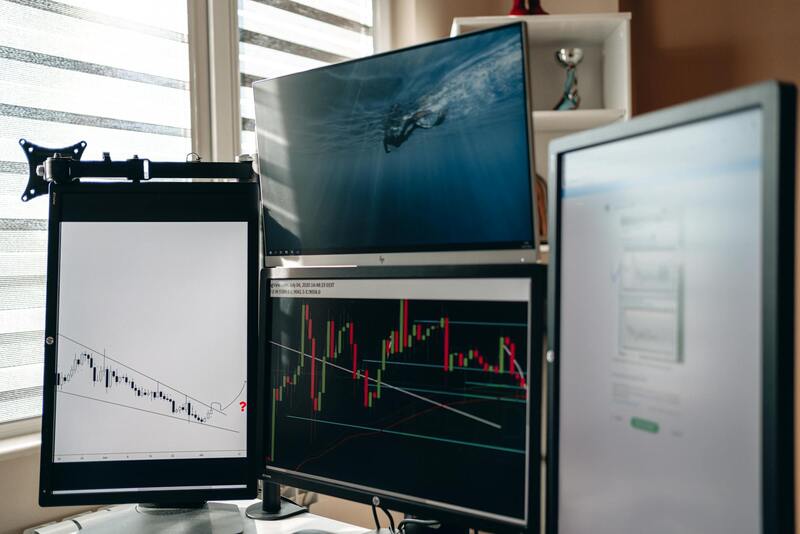
Another essential aspect involves understanding the firm’s approach to risk management and trader accountability. Firms that enforce rigorous risk controls and offer detailed performance analytics enable traders to optimize their strategies continually. The alignment of trading objectives with the firm’s policies and ethos is also crucial for long-term collaboration.
Given the competitive landscape of futures trading, clients should prioritize firms with a proven track record of facilitating trader success through dependable operational practices and a supportive trading environment. Due diligence in this area ensures a focus on legitimate, professional setups that enhance trading efficacy and career growth prospects.
Challenge Requirements and Evaluation Processes
To ensure consistency and fairness, top futures prop trading firms often implement rigorous challenge programs that traders must pass to access proprietary trading capital. These challenges typically assess a trader’s ability to manage risk, execute trades effectively, and demonstrate discipline under simulated market conditions. The evaluation process may include trading simulations, real-time trading tests, or a combination of both, designed to gauge adaptability across different market scenarios.
Admission criteria vary among firms but generally emphasize a trader’s understanding of market mechanics, execution skills, and risk management strategies. Some firms require applicants to meet minimum profit targets within a specified period, while others focus on the trader’s adherence to predefined risk limits and trading discipline. Successful completion of these challenges often results in access to funded accounts, enabling traders to operate with the firm's capital and share in the profits.
It's important for aspiring traders to familiarize themselves with each firm’s evaluation process, as it often reflects the firm's risk appetite and operational philosophy. Transparent criteria and well-structured assessments foster a fair trading environment and support professional growth.

Trading Conditions and Supported Strategies
Leading futures prop trading firms provide a range of trading conditions tailored to accommodate various trading styles and strategies. These conditions encompass leverage limits, trading hours, margin requirements, and platform specifications. Firms often support a multitude of trading styles, including scalping, day trading, swing trading, and algorithmic strategies, reflecting the diverse approach of professional traders.
For traders specializing in futures, flexibility within trading conditions is crucial to executing strategies effectively. High leverage options, though risk-sensitive, can amplify gains, while strict risk controls safeguard both trader and firm capital. Firms may also offer advanced order types and sophisticated trading tools to optimize execution and manage risk dynamically.
Moreover, firms with robust technological infrastructure ensure minimal latency, critical for high-frequency or fast-paced strategies. Access to customizable trading algorithms and API integrations further enhances the trader’s ability to implement complex strategies efficiently.

Discounts, Promotions, and Cost-Effective Features
Many futures prop trading firms offer attractive discounts or promotional programs to lower barriers for prospective traders. These can include reduced challenge fees, free access to educational resources, or trial account periods that allow traders to test strategies without immediate capital investment.
Cost-effective features such as competitive commission structures, transparent fee schedules, and profit-sharing models are integral to identifying the best trading firms. Reduced trading fees can significantly impact long-term profitability, especially for high-frequency traders who execute numerous contracts daily.
In addition, some firms provide tiered accounts or scaled funding options, allowing traders to start with smaller accounts that grow proportionally with performance. This approach minimizes initial costs while offering opportunities for advancement as trading skills and profitability improve.

Evaluation of Trading Conditions and Supported Strategies
Futures proprietary trading firms often differ significantly in the trading conditions they provide, which can greatly influence a trader’s ability to execute various strategies effectively. A comprehensive evaluation includes examining leverage options, trading platform capabilities, margin requirements, and the availability of real-time market data. These elements are crucial for traders who employ scalping, day trading, or swing trading strategies, as they directly impact execution speed and overall responsiveness.
High-performance trading infrastructure is another vital aspect, often characterized by low latency connections and robust server uptime. Traders relying on rapid order execution and minimal slippage need to ensure their chosen firm provides access to reliable and cutting-edge hardware and network infrastructure. Additionally, firms supporting algorithmic trading or automated strategies typically offer APIs and customizable interfaces, catering to traders leveraging complex algorithms to capitalize on market movements.

Beyond infrastructure, supported strategies may include long-term position trading, short-term day trading, arbitrage opportunities, and high-frequency trading (HFT). Traders should consider whether the firm promotes a flexible trading environment that accommodates their preferred approaches. A firm’s policy on strategy restrictions, if any, can also influence its compatibility with a trader’s objectives.
Incentives and Cost-Effective Features Offered by Leading Firms
Many top futures prop trading firms incorporate incentive programs and cost-effective features to attract skilled traders. These may include scaled commissions based on trading volume, tiered profit-sharing arrangements, or promotional bonuses for achieving certain milestones. Such features can improve profitability margins, particularly for high-volume traders.
Many firms provide zero or low initial deposit requirements, coupled with scaled funding — meaning traders can start with a small account and grow it as they demonstrate consistent profitability. Educational resources, mentorship programs, and regular market analysis are also valuable, aiding traders in refining their skills and making informed decisions.
Furthermore, transparent fee structures and clear risk management protocols are essential for establishing trust and clarity in trading operations. An efficient risk management system, which often includes predefined drawdown limits and automatic account halts, safeguards both the trader and the firm from excessive losses, ultimately fostering a sustainable trading environment.
Detailed Comparison of Prominent Futures Prop Trading Firms in the USA
When comparing top-tier futures prop trading firms in the USA, it is important to evaluate their infrastructure, fee structures, support services, and track record of trader success. Leading firms typically distinguish themselves through high deficiency standards, flexible account models, and comprehensive support systems.
- Firm A: Known for advanced algorithmic support, competitive commission rates, and robust risk management protocols. Provides extensive educational tools and trader mentorship programs.
- Firm B: Emphasizes low latency trading platforms, high leverage options, and scalable account funding models, ideal for aggressive trading strategies.
- Firm C: Focuses on transparent fee structures, promotional incentives, and comprehensive trader development resources, making it attractive for emerging traders.

Trading Conditions and Supported Strategies
Futures proprietary trading firms often establish specific trading conditions that influence trader performance and strategic approaches. These conditions encompass leverage limits, commission structures, and the range of futures markets available for trading. High leverage options are a common feature among top-tier firms, enabling traders to amplify their position sizes relative to their capital. This flexibility allows for more aggressive trading, but it also necessitates rigorous risk management. Firms may cap leverage at different levels based on the trader’s experience and risk appetite, balancing opportunity with safety.
Commission fees are another critical aspect that impacts profitability. Leading firms typically offer competitive commission rates, sometimes with volume-based discounts that reward consistent trading activity. Such financial structures encourage traders to increase their frequency without eroding their margins significantly.
The supported futures markets offered by these firms span a broad spectrum — including commodities like energy, metals, and agriculture, as well as financial futures such as stock indices, interest rates, and currency pairs. Access to diverse markets empowers traders to diversify their strategies and mitigate risks associated with price fluctuations in specific sectors.
In terms of trading strategies, firms often favor those that align with their operational infrastructure and risk management policies. Trend-following, scalping, and day trading are prevalent among successful traders within futures prop firms. These strategies are facilitated by the firms’ trading platforms, which often feature advanced charting tools, real-time data feeds, and automated order execution. Some firms also support algorithmic and quantitative trading, leveraging sophisticated models to identify opportunities across different futures markets.

Discounts, Promotions, and Cost-Effective Features
Futures prop trading firms sometimes offer promotions designed to attract new traders or incentivize sustained performance. These can include reduced initial fees, volume-based rebates, or free access to premium analytical tools. Cost-effective features such as free educational resources, trading simulators, and mentorship programs are also significant advantages that support traders in honing their skills without additional financial burden.
Many firms implement tiered fee structures that reward traders who demonstrate consistent profitability. This can decrease the overall cost of trading and improve long-term profitability. Additionally, some firms provide flexible funding options, allowing traders to scale their accounts up or down according to their comfort level, ultimately reducing the initial capital barrier.
Comparison of Leading Futures Prop Trading Firms in the USA
When evaluating top futures prop trading firms, it is essential to consider various operational and support factors. Leading firms distinguish themselves through their technological infrastructure, trader support services, and transparency in fee and risk management protocols. These elements collectively influence the success and sustainability of the trading careers of their members.

Choosing the Best Prop Trading Firm for Futures Trading
Opting for the best futures prop trading firm involves aligning the firm's offerings with the trader’s strategic goals and risk tolerance. Important considerations include the firm's leverage policies, fee structures, the variety of supported markets, and the accessibility of educational and analytical tools. Traders should also assess the firm's reputation for transparent communication, robust risk management, and support services that foster long-term growth.
A thorough review of trading conditions, promotional incentives, and operational support helps in building a comprehensive understanding of each firm’s strengths and weaknesses. This detailed analysis ensures that traders can make informed decisions tailored to their unique trading styles and aspirations.
Common Challenges and Evaluation Metrics in Futures Prop Trading
Evaluating futures proprietary trading firms involves understanding the various benchmarks and hurdles designed to select traders who are best suited for their specific trading environment. These challenges typically assess a trader’s ability to execute disciplined trades, manage risk effectively, and demonstrate consistent profitability over a specified period. Such evaluation processes are crucial in ensuring the firm's risk management standards and in identifying traders who align with the firm's conservative or aggressive trading protocols.
Standard evaluation metrics encompass a trader's drawdown control, profit consistency, and adherence to the firm's trading rules. Many firms implement simulated trading challenges, sometimes called 'auditions,' which serve as a filter to determine whether a trader's skills meet the company’s standards. This process can include multiple stages, such as live trading assessments with small accounts, followed by scaling up once initial targets are achieved. These steps help establish a clear performance record that the firm can rely on for future account allocations.
A comprehensive assessment also considers a trader’s ability to operate under varying market conditions—volatility, trend reversals, and liquidity shifts—since these factors significantly influence futures trading success. Firms often evaluate risk management discipline during volatile periods, emphasizing the importance of position sizing, stop-loss discipline, and emotional resilience in high-pressure situations. The transparency of these evaluation processes and the clarity of feedback provided are pivotal in helping traders refine their strategies and improve their execution over time.

Available Trading Conditions and Strategy Compatibility
Futures prop trading firms often tailor their trading conditions to accommodate a wide array of approaches, enabling traders to leverage their preferred strategies within outlined risk parameters. These conditions include leverage limits, allowable trading hours, and the scope of supported instruments such as commodity futures, financial futures, and indices. Access to advanced trading platforms, real-time analytical data, and technological tools further enhances a trader’s ability to operate efficiently and adapt strategies to prevailing market dynamics.
Many firms promote a flexible trading environment that supports various strategies including scalping, day trading, swing trading, and trend following. By providing customizable trading conditions—such as adjustable leverage levels and varied margin requirements—these firms cater to different risk appetites and skill levels. The compatibility of supported strategies with the firm’s trading infrastructure significantly impacts a trader’s ability to execute their approach effectively, thereby influencing overall trading performance and growth prospects.
Moreover, firms that offer diverse market access allow traders to diversify their trades across multiple asset classes. This diversification mitigates risk and provides more opportunities for profit, especially during periods of heightened volatility or cross-asset correlations. Traders should prioritize firms that not only match their strategic preferences but also offer robust educational resources and support to optimize their utilization of available trading conditions.

Overview of Futures Proprietary Trading Firms
Futures proprietary trading firms serve as pivotal platforms where traders can leverage the firm's capital to execute trades across various futures markets, including commodities, indices, and financial instruments. These firms provide personalized trading environments designed to optimize execution speed, analytical tools, and risk management features, empowering traders to capitalize on market movements with reduced personal capital risk. The core objective of such firms is to facilitate profitable trading while providing traders with the necessary resources, training, and technological capabilities to succeed in highly dynamic markets.
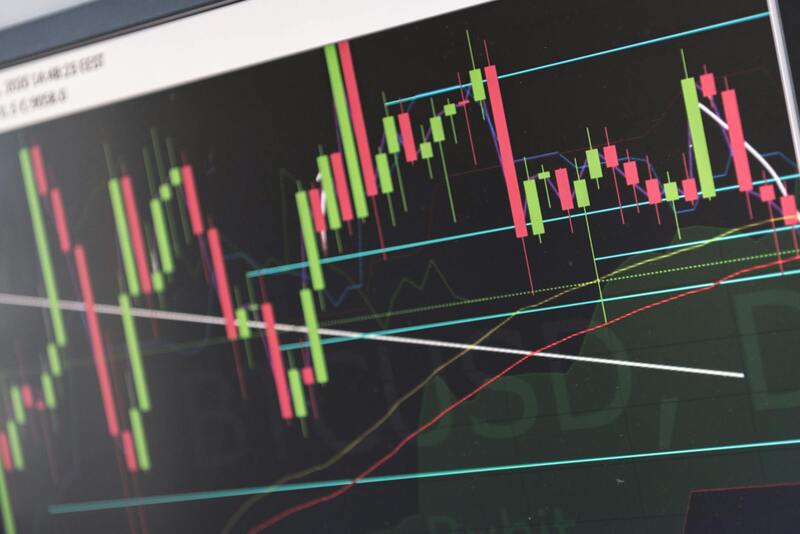
Operating within regulated parameters, futures prop trading firms differ in their operational models, requiring traders to meet specific performance benchmarks to qualify for capital allocations. These firms often foster environments that promote sophisticated trading techniques and data-driven decision-making, ensuring traders are equipped to navigate complex market scenarios.
Criteria for Evaluating Top Futures Prop Trading Firms
When assessing which futures prop trading firm aligns best with a trader’s goals, several critical factors come into play. These criteria not only reflect the firm’s operational standards but also directly influence trading success and growth potential.
- Reputation and Regulatory Status: A well-established reputation backed by regulatory adherence indicates reliability and safety for traders' investments.
- Account Structure and Flexibility: The variety of account types, including standard, scaled, or tiered accounts, impacts access to capital and adaptability to different trading styles.
- Fee and Payout Structures: Transparent fee models, including challenge fees, commission, and profit splits, affect overall profitability.
- Technological Infrastructure: Robust trading platforms with real-time analytics, order execution speed, and advanced risk management tools are essential for high-performance trading.
- Educational and Support Resources: Access to training modules, mentorship, and responsive support help traders refine strategies and solve issues promptly.
Types of Futures Prop Trading Accounts Offered
Futures proprietary trading firms tailor their offerings to accommodate varying trader needs, with account types designed to suit different experience levels and strategic preferences. These include:
- Standard Prop Accounts: These accounts typically require passing an initial challenge or evaluation phase. They provide direct access to trading capital once approved and usually feature fixed fee structures.
- Scaled Accounts: Designed for traders aiming to gradually increase their trading capacity, scaled accounts allow for incremental growth based on performance metrics.
- Trial and Evaluation Accounts: Often used by newcomers, these accounts serve as testing grounds for trading skills before advancing to full accounts with larger capital allocations.
Challenge Requirements and Evaluation Processes
Most top futures prop trading firms incorporate challenge programs to evaluate a trader’s ability to adhere to risk management principles and trading discipline. The typical process includes:
- Participation in a simulated trading challenge with predefined profit targets and risk thresholds.
- Adherence to specific trading rules, such as maximum drawdown limits and position sizing constraints.
- Successful completion of the challenge within a specified timeframe, often accompanied by performance reporting and review.
- Transition to a funded account upon qualification, with ongoing performance tracking.
Trading Conditions and Supported Strategies
Futures prop trading firms are committed to providing adaptable trading environments that support a wide array of strategies including scalping, day trading, swing trading, and trend following. Key features include:
- Leverage and Margin: Variable leverage options to suit different risk profiles, with margin requirements tailored to the asset class and strategy.
- Trading Hours: Extended or 24-hour trading support, depending on the instruments being traded, facilitating flexible operational hours.
- Market Access: Exposure to diverse markets such as commodity futures, financial indices, and currency futures, allowing diversification and risk mitigation.
- Analytical Tools: Access to real-time data feeds, charting tools, and automated trading systems to enhance strategic execution.

Discounts, Promotions, and Cost-Effective Features
Futures prop trading firms often offer various incentives to attract skilled traders. These include discounted challenge fees, ongoing promotional reductions, and benefits such as no deposit minimums or reduced commission rates. Additionally, some firms provide:
- Profit Sharing Models: Competitive profit split arrangements ensuring traders retain a significant portion of their earnings.
- Performance-Based Incentives: Bonuses or increased capital allocations for consistent profitability and risk management excellence.
- Educational Packages: Complimentary or discounted courses, webinars, and mentorship programs to enhance trading competence.
- Cost-Effective Platforms: Access to industry-leading trading platforms without hefty subscription costs, enabling high-execution quality at minimal expense.
Exploring the Evaluation Methods for Top Futures Proprietary Trading Firms
To ensure traders select the most suitable futures prop trading firm, a thorough evaluation process is essential. This process hinges on several core aspects that reflect a firm’s operational standards, support structure, and trading environment. These aspects include the robustness of the trading infrastructure, the transparency of the firm’s operations, and the quality of resources provided to traders.
Assessing the firm’s trading technology is crucial. This encompasses the reliability and speed of order execution, the availability of advanced analytical tools, and the overall stability of the trading platform. A high-performance platform minimizes latency, prevents execution issues, and offers a seamless trading experience, which are vital for executing strategically sound trades in volatile futures markets.
Another critical consideration is the firm's risk management procedures and capital allocation policies. Top firms implement rigorous risk controls to safeguard both their assets and those of their traders. Transparent risk management policies often include max drawdown limits, margin controls, and real-time monitoring systems that help traders navigate market fluctuations effectively.

In addition, evaluating the firm’s reputation and feedback within the trading community provides insights into their credibility and operational integrity. Reliable firms maintain open communication channels, offer prompt support, and have a track record of fair and transparent dealings, which foster trust and long-term collaborations.
Financial incentives and profit-sharing arrangements are also vital indicators of a firm’s attractiveness. Competitive profit splits motivate traders to perform at their best while aligning their success with the firm’s objectives. It’s important to analyze the structure of these incentives, including any performance bonuses or tiered profit-sharing schemes that reward consistent excellence and prudent risk management.
Furthermore, the firm’s educational offerings and community support play a substantial role in a trader’s development. Top-tier firms often organize webinars, mentorship programs, and training modules that help traders sharpen their skills and stay updated with market trends. This ongoing learning environment enhances the trader's ability to adapt and succeed in dynamic futures markets.
Cost considerations are equally important. Transparent fee structures, minimal or no deposit requirements, and low transaction costs are features that can significantly influence overall profitability. Firms that provide comprehensive resources at a reasonable cost create an optimal scenario for traders to maximize their returns while minimizing expenses.
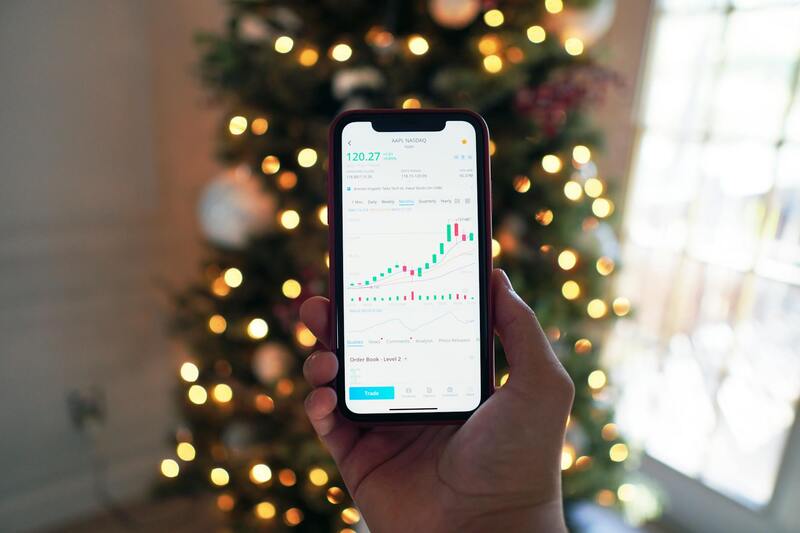
Finally, the process of evaluation should encompass reviewing legal documentation, understanding the firm’s operational policies, and examining historical data related to trader performance and firm stability. Due diligence in these areas ensures traders are partnering with firms that operate transparently, ethically, and with a focus on sustainable growth.
By meticulously analyzing these dimensions, traders can identify futures proprietary trading firms that not only align with their strategic goals but also provide a secure environment conducive to growth and consistent profitability. This comprehensive evaluation process forms a foundation for successful trading collaborations that withstand market volatility and evolving industry standards.
