
Understanding Futures Prop Firms
Futures proprietary trading firms, commonly referred to as futures prop firms, play a pivotal role in the modern trading ecosystem. These firms serve as a bridge between talented traders and the financial markets, providing the necessary capital and infrastructure to facilitate active trading in futures contracts. Unlike traditional investors or asset management companies, futures prop firms directly allocate trading capital to skilled traders, allowing them to execute large-volume trades without risking their own funds.
At their core, futures prop firms operate by assessing the trading capabilities of individuals through a structured evaluation process. Once traders demonstrate consistent profitability and adherence to risk management protocols, they earn access to significant trading capital allocated by the firm. This model enables traders to leverage their expertise while minimizing personal financial exposure.

The distinguishing feature of futures prop firms from other trading entities lies in their business structure. They do not simply facilitate investor trades; rather, they act as active traders utilizing proprietary funds. This arrangement offers advantages such as advanced technology, tailored training programs, and strategic risk management systems that enhance a trader’s ability to succeed in highly volatile markets like futures trading.
Additionally, these firms often specialize in specific types of futures markets—such as commodities, indices, or currencies—allowing traders to focus on their expertise areas. The operational efficiency, combined with comprehensive support systems, creates an environment conducive to professional growth and high-performance trading.
By providing traders with the resources and capital needed to thrive, futures prop firms significantly contribute to the expanding landscape of futures trading. Their unique approach and operational model make them a vital component in an increasingly sophisticated financial environment.
Criteria for Ranking the Best Futures Prop Firms
Evaluating futures prop firms requires a comprehensive understanding of several critical components that impact a trader's experience and success potential. These criteria not only influence daily trading operations but also determine long-term profitability and growth. The main aspects to consider include trading conditions, account structures, evaluation procedures, reputation, and support systems.

Trading Conditions and Leverage
The operational environment provided by a futures prop firm is fundamental. Competitive spreads, margin requirements, and leverage levels directly affect trading strategies. Firms offering flexible leverage options, combined with favorable trading costs, empower traders to optimize their market positions without incurring unnecessary expenses. Consistent, transparent trading conditions foster trader confidence and stability.
Account Structures and Flexibility
Account types should align with traders' individual goals and risk profiles. Some firms provide standard evaluation accounts, whereas others offer scaled accounts or tiered capital allocations based on performance. Flexibility in account types allows traders to choose suitable leverage levels and trading limits, facilitating tailored approaches that match their expertise.
Evaluation Challenges and Success Criteria
Prop firms typically assess traders through challenge periods that test profitability and risk management skills. The difficulty of these challenges varies; firms with well-designed evaluation processes help identify consistent performers. Criteria such as profit targets, maximum drawdown limits, and trading discipline are meticulously monitored. Firms that balance challenge difficulty with fairness tend to attract skilled traders and support their continued development.
Reputation and Industry Standing
A firm’s reputation reflects its reliability, transparency, and trader satisfaction. Industry reviews, trader testimonials, and award recognition all contribute to understanding a firm’s standing. Firms with positive reputations are known for honoring payouts, providing responsive support, and maintaining ethical trading environments, which are essential for sustained success.
Support Systems and Educational Resources
Effective prop firms invest in trader education, providing resources such as webinars, mentorship programs, and trading analytics. Continuous support enhances traders’ skills and confidence, leading to improved performance. Additionally, timely customer service, technical assistance, and accessible trading platforms are crucial to ensure smooth operations.
Altogether, these criteria form a multi-faceted framework that aids traders in selecting the most suitable futures prop firm. Prioritizing transparency, operational excellence, and support well-aligned with individual trading styles maximizes the chances of sustained profitability and growth in the competitive futures trading landscape.
Challenge Requirements and Evaluation Process
Many reputable futures prop firms leverage a standardized evaluation process designed to identify disciplined and proficient traders. This process typically involves a two-phase trading challenge: an initial assessment phase followed by a verification or scaling phase. During the assessment stage, traders are required to meet specific profit targets within a set timeframe while adhering to predefined risk limits. These limits often include maximum drawdown thresholds, daily loss caps, and position sizing rules that ensure traders demonstrate consistent risk management practices.
In addition to profit and risk parameters, firms scrutinize trading discipline through behavior-based criteria such as adherence to trading plans, emotional control, and adherence to firm policies. The evaluation often includes monitoring the trader’s decision-making consistency and responsiveness to market movements, emphasizing quality over quantity of trades.

Successful completion of these challenges results in an account approval, allowing traders to access live trading capital under firm-specific guidelines. Continuous oversight during the verification phase ensures traders maintain their performance and risk management standards. This multi-layered evaluation framework not only promotes fairness but also safeguards the firm’s capital while fostering a professional trading environment.
Discounts and Cost Structures
Understanding the cost structures of futures prop firms is critical for traders aiming for sustainable profitability. Most firms operate with a combination of upfront fees, subscription models, or evaluation challenge costs, which serve as the initial investment for traders seeking permission to trade with firm capital. These fees are often justified by the comprehensive support services, platform access, and risk management tools provided.
Some firms offer discounts or waiver options for traders who sufficiently demonstrate trading skill or commit to longer-term engagement. For instance, traders who pass multiple evaluation challenges or participate in bundled packages might benefit from reduced fee structures or enhanced profit splits. Transparent and straightforward cost frameworks are essential, allowing traders to accurately assess potential returns relative to initial investment.

In addition to challenge fees, firms may have monthly or performance-based royalty structures, where a portion of profits is allocated to the firm as compensation for leverage and risk. This flexible approach aligns incentives and encourages consistent, disciplined trading behaviors, ultimately creating a balanced environment conducive to sustainable growth.
Understanding Futures Prop Firms
Futures proprietary trading firms, commonly known as futures prop firms, act as a bridge between individual traders and the broader financial markets. These firms provide traders with access to significant capital, enabling them to execute larger trades than they could manage independently. Unlike traditional trading, where traders risk their own funds, futures prop firms assume much of the financial risk while traders benefit from the opportunity to scale their trading activities with the firm’s capital. Their core objective is to identify skilled traders through rigorous evaluation processes, ultimately backing their strategies with substantial backing that can lead to increased profitability.
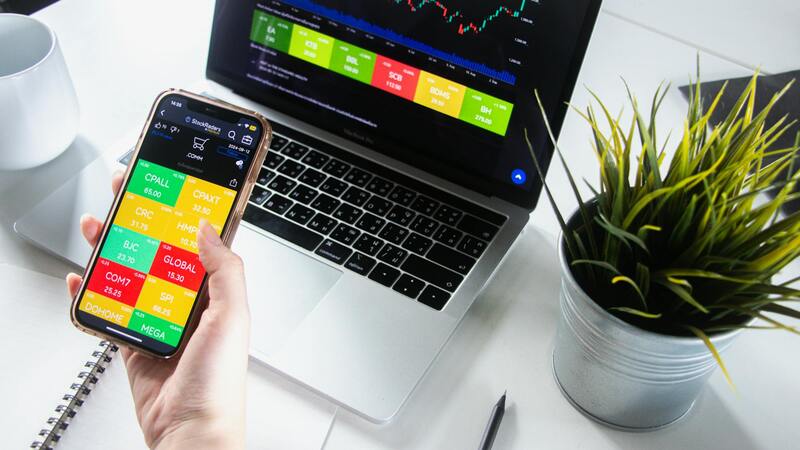
Futures prop firms are distinguished by their structured programs and risk management protocols, which aim to protect both the firm’s capital and the trader’s ability to operate within defined parameters. These environments foster professionalism and discipline, emphasizing consistent trading habits over high-risk, impulsive strategies. For traders, working with a reputable futures prop firm often means access to advanced trading platforms, analytics tools, and expert support, all tailored to optimize trading performance within a controlled risk framework.
Criteria for Ranking the Best Futures Prop Firms
When evaluating and ranking futures prop firms, several critical factors come into play. Clarity in operational procedures, transparency of fee structures, and robustness of evaluation challenges are fundamental. The best firms are known for their unwavering commitment to fairness and professionalism, ensuring traders can focus purely on building their strategies.
- Reputation and track record: Established companies with a solid history of supporting successful traders tend to rank higher. Reviews, trader feedback, and years in operation serve as key indicators.
- Trial and evaluation process: Firms that maintain clear, realistic, and supportive evaluation challenges tend to attract more disciplined traders.
- Fee transparency and cost structure: Competitive and upfront fee descriptions help traders plan their investments wisely.
- Profit sharing and payout models: Attractive and fair profit splits, along with reliable payout schedules, are essential benchmarks.
- Trading support and technology: Access to advanced tools, educational resources, and professional mentorship enhances trader development and success.
- Risk management protocols: Strict risk limits protect the firm’s capital while fostering disciplined trading practices.
Account Types and Trading Models
Futures prop firms typically offer diverse account types and trading models to accommodate varying experience levels and trading styles. Understanding these options is vital for traders seeking to maximize their profit potential and align with their strategic preferences.

Most firms provide:
- Evaluation Accounts: These are introductory accounts that traders utilize to demonstrate their skills and adhere to risk management protocols. Successful completion often leads to funded accounts.
- Funded Accounts: Once approved, traders receive access to capital for live trading, with the firm's risk limits and profit sharing structures in place.
- Scaling Plans: Some firms implement tiered scaling models, allowing traders to increase their trading capital and profit shares as they consistently meet performance milestones.
- Trading Styles: Both day trading and swing trading models are supported, with specific rules designed to control risk and maximize profitability under each approach.
The choice of account type depends on the trader’s experience, risk appetite, and trading goals. Firms that offer flexible trading models with transparent rules and straightforward progression pathways tend to attract traders seeking long-term growth.
Proprietary trading firms that champion clear, legitimate methods and support consistent skill development set the stage for sustainable success in futures trading. Their disciplined approach, combined with comprehensive development programs and transparent operations, makes them invaluable partners for traders aspiring to excel in futures markets.
Evaluating the Challenge Requirements and Evaluation Process
Once traders understand the account structures and trading models offered by top futures prop firms, the next crucial step is to evaluate how these firms assess traders during the testing phase. The evaluation process is designed to identify traders who possess the necessary skills, discipline, and risk management strategies to succeed in a live trading environment without exposing the firm to undue risk.
Top futures prop firms typically employ structured challenge requirements that are clearly outlined to applicants. These requirements focus on consistency, risk control, and profitability over a specified period. Commonly, traders are asked to meet certain trading targets—such as achieving a particular profit level—while adhering to strict risk parameters, which often include daily loss limits and maximum drawdowns.
The evaluation process might involve several key components:
- Initial Trading Phase: Traders are given a set period—ranging from 15 to 60 days—to demonstrate their trading proficiency under real-time conditions. During this phase, adherence to the challenge rules is scrutinized to ensure discipline and strategic consistency.
- Risk Management: Firms place significant emphasis on how traders manage risk, requiring strict compliance with predefined stop-loss limits and position sizing rules. This ensures traders sustain and protect their capital throughout their testing period.
- Performance Metrics: Beyond profits, firms evaluate traders based on metrics such as risk-adjusted returns, consistency in hitting targets, and the ability to avoid large drawdowns. This comprehensive assessment helps identify traders with sustainable trading habits.
- Progression and Scaling: Some firms incorporate tiered challenges, where traders who demonstrate consistent performance can progress to higher trading limits or scaled accounts, providing an incentive for continued development.

Ultimately, firms that maintain transparent and fair evaluation processes foster trust and attract skilled traders looking for long-term partnerships. The ability to meet challenge criteria reliably is a strong indicator of a trader’s potential to succeed in more significant trading environments, providing a foundation for growth and profit sharing.
Understanding Futures Prop Firms
Futures proprietary trading firms serve as a bridge between individual traders and the broad futures markets. These firms provide traders with capital, infrastructure, and resources necessary to execute trades without risking their personal funds. By doing so, they enable traders to focus on strategy and execution while the firm manages the capital risk and provides support tools. In exchange, the firm typically shares a portion of the profits generated from trading activities.
Futures prop firms distinguish themselves by their rigorous evaluation processes and the quality of their trading environment. They often operate with a focus on fostering disciplined trading habits, risk management, and accountability, which are critical in the high-stakes world of futures trading. These firms are structured to benefit both the trader and the firm, creating a symbiotic relationship aimed at consistent profitability and professional growth.
Criteria for Ranking the Best Futures Prop Firms
Identifying the top futures prop firms involves analyzing several key aspects that reflect their reliability, trader support, and overall operational integrity. These include:
- Reputation and Transparency: The firm's history, market presence, and commitment to clear communication are essential indicators of quality.
- Account Flexibility and Options: Variety in trading account types, leverage offerings, and scaling options demonstrate adaptability to different trader needs.
- Evaluation and Challenge Processes: Fair, consistent, and well-structured testing phases that accurately assess trader skill without undue complexity or bias.
- Profit Sharing and Cost Structures: Competitive profit splits and reasonable fees reduce barriers for motivated traders.
- Support and Resources: Access to professional research, trading tools, and educational content can significantly enhance trading performance.
- Risk Management Framework: Enforcement of strict risk controls and stop-loss policies ensures capital protection and promotes sustainable trading practices.
Account Types and Trading Models
Futures prop firms typically offer various account structures tailored to different trader skill levels and trading styles. These include:
- Standard Accounts: Basic account setups where traders can demonstrate consistency and develop their strategies within predefined parameters.
- Scaled Accounts: Accounts that increase in size based on trader performance, offering opportunities for growth and higher profit potential.
- Partnered and Managed Accounts: More advanced models where traders operate within managed setups or joint ventures, often involving more extensive risk and reward sharing.
Trading models may vary in terms of leverage, trading hours, and permissible instruments, allowing traders to choose environments best suited for their expertise and objectives.

Challenge Requirements and Evaluation Process
The evaluation process is a cornerstone of reputable futures prop firms. It involves traders completing a series of challenges designed to assess their trading competence under realistic conditions. Key components include:
- Performance Metrics: Profit targets combined with risk management criteria such as maximum drawdown limits and adherence to stop-loss rules.
- Time Frame: Fixed periods, typically ranging from 15 to 60 days, during which traders must meet specific benchmarks.
- Discipline Checks: Consistency in following the firm’s trading guidelines, including proper use of leverage and discipline in executing strategies.
- Progression Tiers: Many firms offer incremental challenges where traders can unlock higher trading limits based on their performance.
Ultimately, these rigorous processes aim to filter out inconsistent traders and promote a culture of disciplined, strategic trading that can sustain profitability over time.
Discounts and Cost Structures
Best futures prop firms strive to balance affordability with comprehensive trader support. Cost structures typically include initial challenge fees, monthly maintenance fees, and profit splits. Firms that offer transparent pricing and minimal additional charges are preferred, as they lower entry barriers for talented traders. Some firms also provide discounts or waived fees for traders who demonstrate high performance, ongoing participation, or educational engagement. Understanding these financial outlines helps traders evaluate the true value offered by each firm and select environments aligned with their trading goals and financial capability.
Understanding Futures Prop Firms
Futures proprietary trading firms, or prop firms, serve as a platform where traders can access capital to trade futures contracts without risking their own funds initially. These firms evaluate traders through rigorous testing processes and, upon success, provide them with a trading account funded by the firm. The essence of these firms lies in their ability to identify skillful traders and leverage the firm's capital efficiently, aiming for profitability and consistent performance. They foster an environment where disciplined, strategic trading is rewarded, and they offer comprehensive infrastructure including advanced trading software, data analytics, and mentorship programs aimed at developing traders' skills.

Criteria for Ranking the Best Futures Prop Firms
Identifying leading futures prop firms involves assessing several critical factors that influence trader success and operational efficiency. These include transparency in terms of fee structures, the robustness of evaluation protocols, the variety of account types available, and the overall reputation of the firm within the trading community. The best firms consistently demonstrate fairness in their challenges and offer transparent profit-sharing arrangements that motivate traders. Additional indicators such as technological integration, customer support quality, and educational resources also influence their rankings. Ultimately, evaluating how these elements align with a trader’s specific needs and trading style is vital for making an informed choice.
Account Types and Trading Models
Futures prop firms typically offer multiple account structures designed to cater to diverse trading needs. Standard models include evaluation accounts, which assess a trader’s readiness to manage real capital, and live funded accounts, where traders operate with actual firm funds. Some firms introduce tiered account models, allowing traders to progress through various levels based on their performance, thereby unlocking increased trading limits and capital. Additionally, certain firms may adopt specific trading models, such as fixed risk or scalable capital approaches, to accommodate different risk appetites and strategic preferences. Recognizing these distinctions enables traders to select accounts aligned with their experience and goals.
Challenge Requirements and Evaluation Process
The core of a futures prop firm’s screening process consists of rigorous challenges that evaluate a trader's ability to generate consistent profits under realistic trading conditions. These challenges typically comprise profit targets, risk management parameters like maximum drawdown limits, and adherence to fixed trading time frames. Trading performance is meticulously reviewed, often over 15 to 60 days, requiring traders to demonstrate discipline, strategic execution, and adaptability. Successful traders proceed to funded accounts, while those unable to meet benchmarks receive constructive feedback. This evaluation serves to filter out unprepared traders and promote a disciplined trading culture rooted in risk control and strategic planning.
Discounts and Cost Structures
Financial considerations play a pivotal role in selecting a futures prop firm. Cost structures generally entail an initial challenge fee, with some firms offering refundable deposits or discounts based on performance, ongoing monthly fees, and profit splits. Transparent pricing models and minimal hidden charges are highly valued, reducing barriers that might deter talented traders from participation. Certain firms also recognize high-performing traders or those actively engaged in educational programs with discounts or fee waivers. Understanding these financial arrangements helps traders evaluate the overall value proposition and ensures alignment with their trading budgets and objectives.
Benefits of Trading with Top Futures Prop Firms
Partnering with a reputable futures prop firm offers significant advantages. Traders gain access to substantial capital that enhances profit potential beyond personal funds. Advanced trading platforms and educational support bolster skill development, fostering consistency and discipline. These firms often provide comprehensive risk management tools, structured challenge protocols, and ongoing mentorship, which contribute to professional growth. Additionally, successful traders benefit from transparent profit-sharing arrangements, with many firms offering tiered incentives that reward high performance. Overall, aligning with a top-tier firm creates an environment conducive to scaling trading activities while maintaining risk controls essential for long-term success.
Evaluating the Profit Sharing and Compensation Structures
When considering the best futures prop firm, understanding the profit sharing and compensation models becomes essential. These models directly impact a trader's earnings and overall success trajectory. Most reputable firms implement a tiered profit split system, which rewards traders based on their performance and experience levels. Typically, a higher profit split percentage is offered to traders who consistently deliver profitable results and demonstrate disciplined trading behaviors.

In many cases, traders initially receive a lower percentage of profits, with increased splits awarded as they meet specific trading targets or time-based milestones. Some firms also introduce a capacity for performance-based bonuses or additional incentives, which serve to motivate traders to optimize their strategies while adhering to risk management protocols. Transparent communication about how profit splits are calculated and distributed is crucial, as it enables traders to accurately project their potential earnings and avoid misunderstandings that could impact their motivation.
Risk Management and Support Systems
Reliable futures prop firms emphasize rigorous risk management measures designed to protect both the firm and the trader. This includes strict drawdown limits, daily loss caps, and real-time monitoring tools that assist traders in maintaining disciplined trading behaviors. Top firms often provide advanced risk management software embedded within their trading platforms, enabling traders to set automated stops and alerts aligned with their risk appetite.
Besides technological support, educational resources and mentorship opportunities are invaluable. Many leading firms assign experienced traders or professional educators as mentors, offering personalized feedback and strategic advice to help traders refine their approach. This mentorship fosters a culture of continuous learning, resilience, and adaptability—qualities crucial to thriving in dynamic futures markets.
Trade Execution and Platform Reliability
The effectiveness of a futures prop firm also hinges on the robustness of its trading infrastructure. High-speed, low-latency trade execution and reliable connectivity are non-negotiable features that ensure traders can capitalize on fleeting market opportunities without disruptions. Leading firms typically partner with reputable brokerage platforms and utilize advanced trading technology, including algorithmic and high-frequency trading capabilities, to enhance execution quality and minimize slippage.

Community and Educational Support Networks
Another differentiator among the best futures prop firms is the strength of their trader community and educational initiatives. Many reputable firms foster collaborative environments where traders can share insights, Strategies, and feedback through forums, webinars, and live trading rooms. Such interactions contribute to skill enhancement and help traders stay updated on market developments and new trading techniques.
Educational support goes beyond community interaction. Top firms often sponsor comprehensive training programs, including webinars, courses, and workshops focused on technical analysis, market psychology, trading psychology, and risk management. Continuous educational opportunities are vital for traders aiming to elevate their expertise and adapt to evolving market conditions, especially given the rapid technological advancements in futures trading tools and platforms.
Ensuring Compatibility with Personal Trading Goals and Style
Ultimately, selecting the right futures prop firm involves aligning the firm’s offerings with each trader’s individual goals and trading style. Some traders prioritize high leverage and rapid trading environments, while others seek supportive mentorship and conservative risk parameters. Conducting thorough due diligence involves analyzing the firm’s account requirements, trading policies, fee structures, and the extent of educational and technological support.
Factors such as the minimum account balance, challenge creation process, profit target requirements, and monthly or challenge fees should be carefully scrutinized. Transparency regarding these elements helps traders assess the overall opportunity and avoid pitfalls that could hinder their long-term growth. Compatibility also involves understanding the firm’s payout schedules, renewal policies, and any restrictions related to trading hours or instruments offered.
Future Outlook and Industry Evolution
The futures prop trading industry is continuously evolving, driven by technological innovation and regulatory developments. The adoption of artificial intelligence, machine learning, and algorithmic trading systems is transforming how traders execute strategies and manage risks. Firms investing in cutting-edge trading platforms and data analytics tools are setting new standards for performance and transparency.
Furthermore, a trend toward increased specialization and niche market focus aims to cater to specific trader demographics, including geographic segments and trading styles. For traders, staying informed about industry trends, technological enhancements, and regulatory shifts enables better strategic decision-making and long-term planning in futures trading.
