
Overview of Funded Futures Prop Firms
Funded futures proprietary (prop) firms are specialized organizations that provide traders with the capital necessary to engage in futures trading. Unlike traditional trading where individuals trade with their own funds, these firms allocate significant resources to selected traders based on their skill, strategy, and performance potential. Traders receive access to advanced trading platforms, research tools, and substantial financial backing, enabling them to operate at a larger scale than personal trading accounts typically allow.
The core role of funded futures prop firms in the trading industry is to facilitate a mutually beneficial relationship. Traders gain the leverage and resources needed to maximize their trading capabilities, while the firms earn commissions, performance fees, or a predetermined profit share. This partnership model allows talented traders to scale their trading operations without risking their own capital and helps firms attract top-tier trading talent with promising track records.
Many traders opt to work with funded futures prop firms because these arrangements minimize their personal financial risk, promote disciplined trading, and offer access to professional-grade trading infrastructure. For novice traders, such programs can serve as an invaluable stepping stone into professional trading, providing an environment to hone their skills with the support of experienced risk management and compliance protocols.

Key Advantages of Partnering with Funded Futures Prop Firms
- Access to substantial trading capital without personal financial risk
- Professional trading infrastructure and tools
- Structured risk management and compliance support
- Opportunities for profit sharing and performance bonuses
- Enhanced learning environment with experienced mentors
These firms play a significant role in expanding the opportunities for traders, especially those who have demonstrated consistent success but require additional capital to grow their trading operations. The trend towards funded futures prop trading is increasingly prominent as market participants recognize the potential benefits of this collaborative model. To maximize the chances of success within this framework, traders should focus on developing disciplined, strategy-driven trading habits aligned with the firm’s operational standards.
How Funded Futures Prop Firms Operate
Funded futures proprietary trading firms adopt a structured operational model designed to support talented traders while ensuring the firm's financial stability. Central to their functioning is the provision of trading accounts that are funded fully or partially by the firm, empowering traders to execute trades on substantial capital allocations without risking their own financial resources. This setup creates an environment where traders can focus on executing their strategies within predefined risk parameters.
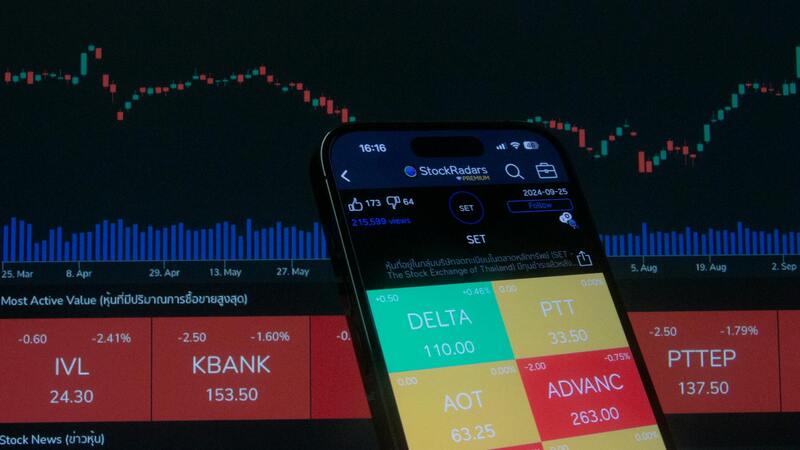
Typically, these firms manage a comprehensive infrastructure that includes advanced trading platforms, risk management systems, and compliance monitoring tools. They authenticate the trader's strategies and assess performance through rigorous testing phases, which serve as a vetting process before the firm commits significant capital. Once approved, traders are granted access to a trading account tailored to their style, with clear guidelines on risk exposure and profit-sharing structures.
Account Setup and Management
Setting up an account under a funded futures prop firm involves a thorough evaluation of the trader’s capabilities and trading history. The onboarding process often begins with a trading challenge or evaluation phase, where traders demonstrate their ability to adhere to risk management rules and produce consistent profitability. After successfully passing these initial assessments, traders are granted access to funded accounts that come with specified capital limits.
- Initial Evaluation: Traders complete a simulation or trading challenge based on the firm’s compliance standards.
- Account Allocation: Once approved, traders receive a funded account with defined risk and reward parameters.
- Ongoing Management: Traders are monitored continuously, with performance data analyzed to ensure adherence to firm policies. Real-time risk management tools help prevent excessive losses and reinforce disciplined trading behaviors.
Trading Programs and Strategies
Funded futures firms typically support diverse trading styles, ranging from day trading to swing trading, as long as traders meet reporting and risk management procedures. These programs are often structured to accommodate different levels of experience and trading approaches, including systematic algorithms or discretionary strategies. Firms may also provide educational resources and mentorship opportunities to enhance trader performance.
Challenge Requirements for Funding
To qualify for fully-funded trading accounts, traders are usually required to complete a challenge phase characterized by specified profit targets and strict risk limitations. Success in this phase indicates the trader's ability to follow the firm's risk management protocols, execute profitable strategies, and maintain consistent performance throughout the evaluation period.
- Profit Targets: Achieving predetermined profit benchmarks within a set timeframe.
- Max Drawdown Limits: Maintaining losses within specified thresholds to demonstrate risk discipline.
- Trading Consistency: Showing stable performance across multiple trading sessions.
Benefits and Discounts Offered by Prop Firms
Participating traders often enjoy benefits such as access to cutting-edge trading technology, reduced commissions or trading fees, and performance-based bonuses. Some firms also provide discounts on educational resources and trading tools that aid in strategy development. Additionally, traders may earn a share of the profits generated from their trading activities, incentivizing sustainable and disciplined trading practices.
Regulations and Market Considerations in the USA
Funded futures prop firms operating within the United States must navigate a landscape of market regulations that ensure fair trading practices and transparency. These include adherence to regulatory bodies’ standards governing trading operations, reporting, and compliance protocols. Firms must also implement robust risk disclosures and maintain proper licensing, especially when offering trading capital or profit-sharing schemes. Their operational models are designed to not only support traders' success but also uphold the integrity of the market environment.
Challenges and Future Trends
While funded futures prop firms offer substantial opportunities, they also face challenges such as market volatility, regulatory shifts, and the need to continually adapt their risk management frameworks. The future of funded futures trading is poised for increased automation through artificial intelligence and machine learning, which can enhance decision-making processes. Furthermore, expansion into global markets and the development of more flexible funding models are expected to shape the evolving landscape of funded futures prop trading.
Account Setup and Management
Embarking on a successful trading journey with a funded futures prop firm begins with establishing a properly configured trading account. These firms typically offer various account types tailored to different experience levels and trading objectives, including standard, corporate, or specialized accounts. The setup process involves verifying trader credentials, completing compliance paperwork, and agreeing to the firm’s trading policies. Ensuring thorough understanding of account features such as leverage, trading limits, and security measures is critical for effective account management.

Leverage and Trading Limits
Leverage enables traders to control larger positions with a smaller amount of capital, amplifying both potential gains and risks. Funded futures prop firms usually specify maximum leverage ratios to prevent excessive risk exposure, often aligning with market standards or regulatory guidelines. Trading limits are also imposed to prevent overtrading and mitigate risk, including daily loss caps and position size restrictions. These constraints are designed to protect the trader’s capital and ensure disciplined trading practices.
Account Security and Risk Management
Security protocols are vital in safeguarding trader accounts against unauthorized access and fraudulent activities. Prop firms implement multi-factor authentication, secure login procedures, and encryption technologies to protect sensitive information. Moreover, traders are encouraged to adopt sound risk management techniques, such as setting stop-loss orders, diversifying trading strategies, and adhering to the firm’s trading plan. Regular monitoring and reporting tools provided by the firm help traders maintain oversight of their account health and compliance.
Operational Features and Support Tools
Funded futures prop firms equip traders with advanced trading platforms that facilitate real-time market analysis, order execution, and performance tracking. These platforms are often integrated with analytical tools, customizable dashboards, and alerts to enhance decision-making. Additionally, firms may offer educational resources, mentorship programs, and dedicated support teams to assist traders in optimizing their account management and trading strategies.

Funded Futures Prop Firms: Official Methods of Securing Funding
Securing funding through a reputable funded futures prop firm involves a structured and transparent process designed to evaluate a trader’s skills, discipline, and market understanding. These firms typically operate with clearly defined requirements, ensuring that applicants demonstrate their capability to manage risks and execute trades effectively. The application process often includes initial assessments such as trading simulations or real-time trading challenges, where traders are expected to showcase their ability to follow set risk parameters while generating consistent performance.
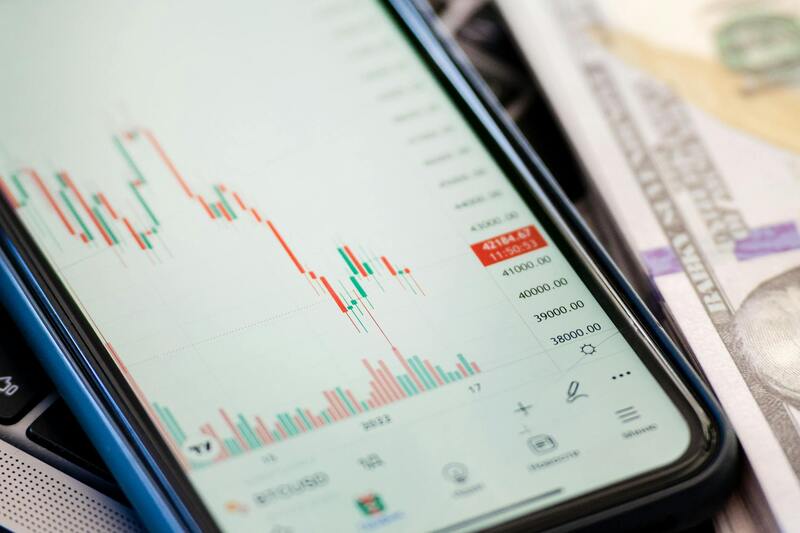
Participants need to submit comprehensive trading histories, including detailed records of past performance, strategies employed, and risk management practices. Many prop firms require proof of trading experience and a demonstrated understanding of market dynamics, which aids in filtering applicants and ensuring that only qualified traders proceed to the funding stage. The process is strictly based on established, professional criteria—placing emphasis on proven track records and disciplined trading habits to validate the trader’s readiness for funded status.
Once accepted, traders often undergo an onboarding process that includes compliance verification and orientation on the firm’s policies, trading platforms, and risk limits. This thorough approach not only fosters transparency but also helps traders understand the expectations and boundaries set by the firm, creating a foundation for a mutually beneficial arrangement. Formal agreements are typically signed to delineate the terms of funding, profit sharing, and risk management protocols, reinforcing the legitimacy and structure of the partnership.

Engagements with funded futures prop firms are designed to be mutually transparent and secure, relying on official channels and verified procedures. This approach ensures that traders and firms operate within well-established legal frameworks, providing stability and accountability. Legitimate firms maintain rigorous standards, including ongoing performance evaluations, compliance monitoring, and periodic audits, to uphold the integrity of the trading environment.
By adhering to proven methods and verified protocols, traders can confidently access professional funding opportunities that support their growth and trading ambitions. These methods prioritize genuine skill assessment, transparent documentation, and structured risk management, creating a robust foundation for successful funded trading careers.
Account Setup and Management
Establishing a funded futures trading account with a reputable prop firm involves a detailed and structured process designed to ensure transparency and compliance. Once a trader successfully passes the firm's evaluation phase, the account setup typically includes verification procedures, comprehensive documentation, and the alignment of trading objectives with the firm's standards. Legitimate funded futures prop firms usually require traders to submit identification documents, proof of trading experience, and possibly financial disclosures to verify their background and ensure adherence to their internal policies.
During account configuration, traders are provided access to official trading platforms integrated within the firm's infrastructure. These platforms are configured to enforce risk management protocols, such as maximum position sizes, stop-loss limits, and daily loss caps. This ensures that all trading activities operate within predefined boundaries, reflecting the firm’s commitment to responsible trading practices. Traders are often assigned dedicated account managers or support teams who assist in onboarding, training, and ongoing account management to foster consistent performance and growth.
Businesses offering funded futures accounts employ secure and verified channels for account management, with regular reporting and performance monitoring systems. These systems facilitate continuous assessment of trading activities, providing real-time data on profit and loss, compliance adherence, and risk exposure. This proactive approach helps mitigate potential issues before they escalate, ensuring a stable and accountable trading environment for both traders and firms.
Trading Programs and Strategies
Funded futures prop firms typically offer a variety of trading programs designed to accommodate different skill levels, market preferences, and risk appetites. These programs often include fixed or tiered funding levels, enabling traders to access larger capital pools as they demonstrate consistent performance. The programs are structured to reward discipline, strategic planning, and skillful execution, often backed by detailed trading rules and objectives.
Every program emphasizes rigorous adherence to specific trading strategies aligned with market conditions. Common approaches include trend-following, breakout trading, and scalping, among others. Traders are usually required to develop a proven methodology that conforms to the firm's risk management protocols and trading guidelines. This consistency boosts the credibility of traders and fosters professional growth within the framework provided by the firm.
Proprietary trading platforms provided by these firms facilitate sophisticated analysis tools, real-time data feeds, and performance tracking metrics. These resources help traders refine their strategies and fine-tune their decision-making processes. Additionally, many firms offer educational resources, mentorship, and regular performance reviews, which serve to elevate traders’ capabilities and prepare them for sustainable success.

Comprehensive Account Management and Performance Evaluation
Funded futures prop firms place significant emphasis on the meticulous management of trading accounts to ensure sustainable profitability and adherence to risk management protocols. Traders are typically provided with robust trading platforms that facilitate real-time monitoring, detailed performance analytics, and strict compliance checks. Managing the allocated capital responsibly involves executing disciplined trading strategies, maintaining consistent risk parameters, and avoiding excessive exposure to market volatility.
Account management procedures often include routine reviews by quality assurance teams to track adherence to the firm’s trading rules. These reviews serve multiple purposes: identifying areas of improvement, ensuring risk limits are respected, and verifying the trader’s alignment with the firm’s core trading philosophy. Many firms employ automated systems to flag violations of predefined risk thresholds, such as maximum drawdowns or position sizes, enabling swift interventions to prevent significant losses.
Additionally, performance metrics are systematically analyzed to evaluate traders’ skill levels and consistency over time. These metrics encompass overall profitability, adherence to trading plans, risk-adjusted returns, and behavioral patterns during different market conditions. Such assessments contribute to the development of tailored training programs and strategic adjustments aimed at enhancing individual trader competencies.

Structured Trading Programs and Custom Strategies
Funded futures prop firms typically endorse a diverse array of trading programs that cater to distinct trading styles, risk tolerances, and market approaches. These programs are designed not only to foster profitable trading behaviors but also to support traders' ongoing development within a controlled framework. They often include tiered levels of funding, allowing traders to progressively access larger capital pools as they demonstrate consistent performance and discipline.
Within these programs, traders are encouraged to formulate and refine strategies that align with specific market conditions. Common trading approaches supported by these firms include trend following, where traders capitalize on sustained price movements; breakout strategies, which target significant price shifts; and scalping techniques that exploit small, rapid market fluctuations.
To facilitate effective strategy implementation, firms equip traders with highly advanced proprietary trading platforms. These platforms provide sophisticated tools such as algorithmic order execution, comprehensive charting options, real-time news feeds, and detailed performance analytics. Regular strategy reviews, combined with educational resources and mentorship opportunities, assist traders in evolving their methodologies, thereby increasing their chances of long-term success.

Meeting Challenge Requirements for Funded Trading Accounts
Participation in funded futures programs often involves meeting specific challenge requirements aimed at verifying traders’ capabilities and discipline. These challenges are designed to assess a trader’s ability to sustain consistent profitability while managing risk effectively over a predetermined period or number of trades.
Typically, traders are required to meet certain benchmarks such as achieving a minimum profit target without exceeding maximum drawdown limits. These benchmarks serve as a proxy for real-world trading discipline and risk management proficiency. Successfully completing the challenge allows traders to qualify for a funded account, unlocking access to higher trading capital and profit-sharing opportunities.
Participants must meticulously follow the firm’s rules throughout the challenge, including adherence to risk limits, trading plans, and strategy guidelines. Failures or violations during this phase often result in disqualification, emphasizing the importance of discipline, preparation, and skillful execution. Once funded, traders continue to be monitored closely, with ongoing performance evaluations that ensure long-term alignment with the firm’s standards.
Account Setup and Management
Securing a funded futures account through a prop firm begins with a comprehensive account setup process that emphasizes meticulous documentation and adherence to the firm’s onboarding procedures. Traders are typically required to submit proof of identity, trading experience, and sometimes a detailed trading plan to demonstrate their approach and discipline. Once approved, traders gain access to a trading account that is often backed by substantial capital, allowing for larger position sizes and greater profit potential than personal accounts alone.
Effective account management is crucial to maintain the funding and maximize profitability. This involves strict adherence to risk parameters established by the prop firm, such as maximum daily and overall drawdowns, as well as position size limitations. Traders must continuously monitor their performance metrics to ensure compliance with these rules, utilizing the firm’s trading platform tools for real-time oversight.
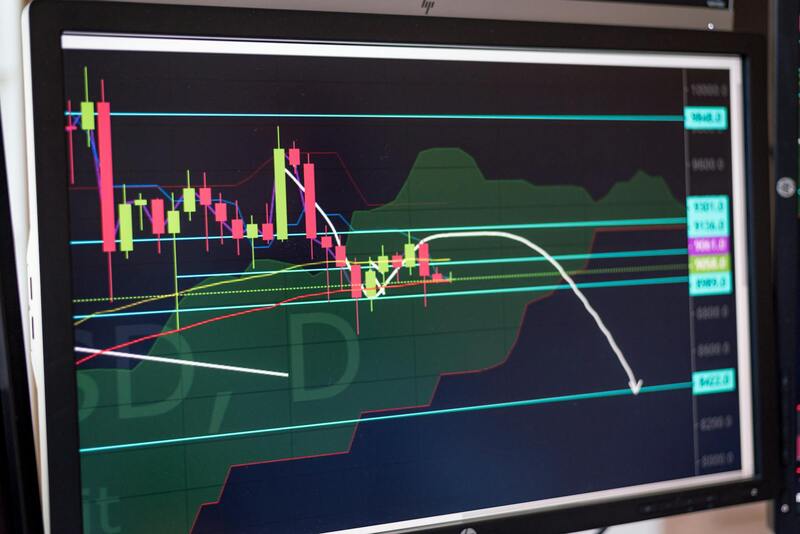
Camber management practices include regular review of trading logs, analysis of trade outcomes, and adjustment of strategies based on evolving market conditions. Aside from individual discipline, maintaining an organized record-keeping system helps traders evaluate their strategy efficacy and identify areas for improvement. Successful traders often establish routines that integrate consistent risk management protocols, detailed journaling, and periodic performance reviews, fostering long-term growth within the funded account environment.
Trading Programs and Strategies
Funded futures prop firms typically support a variety of trading programs to suit different skill levels and trading styles. These may include algorithmic trading, discretionary day trading, swing trading, or scalping. Each program involves specific entry and exit criteria, risk management rules, and strategy guidelines designed to optimize the use of the firm’s capital while preserving risk control.
Effective funded traders usually combine rigorous technical analysis with fundamental insights to identify high-probability trading setups. Many prop firms encourage the use of advanced trading software, analytics tools, and automated strategies to enhance decision-making processes. Diversification of strategies across different trading instruments and timeframes also helps mitigate risks and capitalize on multiple market opportunities.

Ongoing education and strategy refinement are integral parts of a funded trader’s journey. Prop firms often offer training modules, webinars, and mentorship programs designed to elevate trading skills, keeping traders abreast of market developments and new technological tools.
Challenge Requirements for Funding
To qualify for a funded futures trading account, traders usually must complete a structured challenge that assesses their readiness to handle real money. This challenge involves a series of predefined performance benchmarks, such as achieving specific profit targets within a set period while adhering to strict risk controls. The focus is on evaluating a trader’s consistency, discipline, and ability to manage drawdowns effectively under simulated or real trading conditions.
Throughout the challenge, traders must adhere rigorously to the firm’s rules, including position sizing, risk limits, and trading plans. Any violations or failure to meet targets within the stipulated parameters often result in disqualification. Success in the challenge leads to the awarding of a funded account, which grants traders access to larger capital pools and a share of the profits.
Once funded, traders are subject to continuous evaluation, with performance metrics closely monitored. Consistent profitability, disciplined risk management, and adherence to trading plans are vital to retain funding and advance within the firm’s trading hierarchy.
Benefits and Discounts Offered by Prop Firms
Participating in funded futures programs allows traders to leverage significant trading capital without risking their own funds. This setup amplifies potential gains and provides opportunities for scaling strategies that might be limited in personal accounts. Many prop firms also offer tiered profit-sharing arrangements, where successful traders receive a percentage of the profits generated, aligning their incentives with the firm’s goals.
In addition to capital access, traders benefit from educational resources, technical support, and platform discounts. Some firms negotiate with software providers to offer discounted or complimentary access to advanced trading tools, analytics platforms, and data feeds. These perks can reduce trading costs and enhance the trader’s ability to execute complex strategies efficiently.
Furthermore, being part of a funded futures program positions traders within a network of experienced professionals, facilitating knowledge exchange and mentorship that can accelerate skill development. The environment promotes disciplined trading habits, risk awareness, and strategic growth, making funded futures prop firms attractive options for serious traders seeking to expand their horizons.
Compliant and Responsible Trading Practices in Funded Futures Prop Firms
Engaging with funded futures prop firms necessitates adherence to established trading protocols and operational standards. These organizations prioritize maintaining a high level of integrity through structured oversight and rigorous compliance measures. Traders are expected to follow clearly defined risk management rules, including strict position size limits and stop-loss orders, to protect both personal and firm capital. Consistent monitoring and reporting practices ensure transparency, fostering an environment where performance is continuously evaluated through objective metrics.

To ensure responsible trading, several best practices are promoted within these firms. Traders are encouraged to develop and adhere to detailed trading plans that outline entry and exit criteria, risk limits, and profit targets. Maintaining discipline in following these strategies helps mitigate impulsive decisions driven by market volatility or emotional responses.
Educational initiatives are integral to fostering a culture of responsible trading. Funded futures firms often provide comprehensive training modules, workshops, and mentorship opportunities aimed at instilling sound trading habits and risk awareness. This knowledge-sharing not only enhances traders’ proficiency but also reinforces ethical trading standards.
Utilizing Technology and Data for Compliance and Performance Analysis
Advanced trading software and analytics tools are vital assets in ensuring compliance and optimizing performance within funded futures programs. Firms often leverage sophisticated platforms capable of tracking real-time trade execution, calculating risk-adjusted returns, and providing detailed performance reports. Such tools enable traders to identify areas for improvement, refine their strategies, and ensure alignment with the firm’s guidelines.
- Automated Monitoring: Automated systems can flag trades that deviate from prescribed risk parameters, prompting immediate review or intervention.
- Performance Auditing: Regular performance audits help verify adherence to operational standards and identify patterns that may indicate risky behavior or strategic weaknesses.
- Data Analytics: Analyzing historical and real-time market data allows traders to develop more robust strategies, mitigate risks, and maximize profit potentials responsibly.
Legal and Contractual Frameworks in Funded Futures Programs
Participation in funded futures programs involves binding contractual agreements that stipulate the terms of engagement, profit sharing, and operational standards. These legal frameworks serve as the foundation for maintaining transparency and mutual understanding between traders and firms. Contracts typically specify the scope of trading authority, risk management obligations, and the processes for dispute resolution.
Traders should thoroughly review all contractual obligations and ensure full comprehension of firm policies before engaging. Clear documentation of trading activities and adherence to stipulated guidelines help prevent misunderstandings and uphold the integrity of the trading relationship.
Emerging Developments and Industry Trends
The funded futures prop industry continues to evolve with technological innovations and changing market dynamics. Recent trends indicate a growing emphasis on automation, machine learning, and algorithmic trading, which can enhance disciplined trading and risk management. Firms are increasingly adopting platforms that integrate AI-driven analytics, enabling traders to harness big data for strategic decision-making.
Moreover, the adoption of transparent performance tracking and verification systems has increased, providing traders with clear benchmarks and accountability measures. As regulations become more defined and compliance tools more sophisticated, the industry is poised to foster a more secure and trustworthy environment for traders committed to responsible growth and sustained profitability.
While these progressive changes offer numerous advantages, traders should remain vigilant and maintain a disciplined approach to leverage new technological tools effectively. Continuous education, adherence to best practices, and utilization of innovative resources form the cornerstone of success within funded futures prop programs.
