
How to Start a Prop Firm Business: A Comprehensive Guide to the Futures Prop Trading Model
Understanding the Futures Prop Firm Model
A futures proprietary trading firm, commonly referred to as a prop firm, operates as an entity that employs skilled traders to manage capital on behalf of the firm itself. Unlike traditional brokerage services, prop firms focus on utilizing their own funds or capital allocated for trading to generate profits. These firms typically attract talented traders by offering them a percentage of the profits they generate, often through performance-based incentive structures.
In the futures trading arena, prop firms specialize in contracts that involve commodities, indices, currencies, or other financial instruments that settle based on the future price of the asset. The core operation involves providing traders with a trading environment, capital, and the necessary tools to execute high-stakes transactions, with the firm taking on the market risk and offering traders a share of the resulting revenue.
This model operates within a highly disciplined environment where traders are often required to pass evaluation phases or trading challenges, demonstrating their ability to handle risk, execute strategies, and maintain profitability under established guidelines. The firm's success hinges on their traders' performance, risk management protocols, and the ability to scale operations effectively.

Initial Requirements for Launching a Prop Firm
Launching a futures prop trading firm necessitates a series of foundational steps. First, developing a clear understanding of the financial markets and trading environment is crucial. This includes knowledge of market dynamics, trading platforms, and risk management principles. An essential requirement is access to capital, whether it’s personal funds, institutional resources, or a combination thereof, to fund the initial trading operations.
Establishing relationships with reputable trading technology providers and data feeds forms the backbone of operational infrastructure. The firm must also select reliable brokerage relationships that support futures trading and offer effective execution speed, transparency, and security.
Furthermore, setting up operational infrastructure involves choosing robust hardware, secure trading software solutions, and administrative systems to track trades, profits, losses, and compliance reports. It’s advisable to consult with industry experts and seasoned traders to craft a sustainable business model capable of attracting high-caliber trading talent.
Developing a Business Plan and Structure
A comprehensive business plan outlines the firm's vision, target market, capital allocation, and revenue goals. This document should detail trader evaluation processes, risk management strategies, and profit-sharing arrangements. Structuring the firm involves choosing a legal entity—such as an LLC or corporation—that aligns with financial and operational objectives.
The plan must include financial projections, operational workflows, and policies designed to support both risk mitigation and growth. Incorporating scalability from the outset enables the firm to expand its trader base and trading volume effectively.
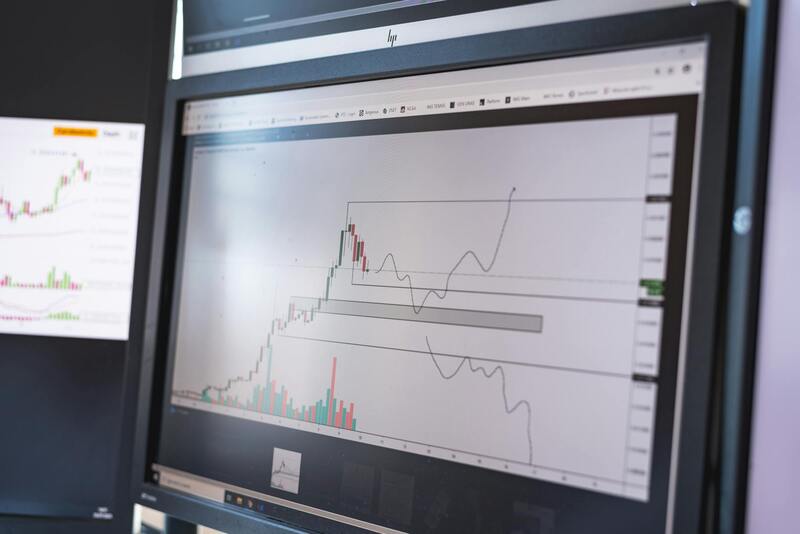
Setting Up Trading Accounts and Infrastructure
Once the foundational elements are ready, the next step involves establishing trading accounts with chosen brokerages that support futures trading. These accounts must be configured with appropriate permissions and security measures to ensure seamless and safe transaction handling.
Trading infrastructure includes advanced analytics tools, order management systems, and risk management software to monitor live trading activities. The infrastructure should support rapid decision-making and execution, with backup systems in place for contingency scenarios.
Training and onboarding procedures for traders should be articulated clearly, emphasizing compliance with firm protocols and risk limits. The initial setup phase also involves testing trading environments to identify and resolve technical issues before live trading commences.
Developing a Business Plan and Structure
Creating a comprehensive business plan is essential for establishing a solid foundation in the futures prop firm industry. This plan acts as a roadmap, guiding the firm through startup phases, operational procedures, and growth strategies. It should clearly define the firm's mission, target market, value proposition, and competitive advantages.
Key components of the business plan include financial forecasts, which project cash flow, profit margins, and capital requirements. Operational workflows need to detail daily trading activities, trader management, and client onboarding processes. Policies related to compliance, risk management, and profit-sharing structures must be explicitly outlined to ensure consistent application and transparency across the organization.
Structuring the firm involves selecting the appropriate legal entity, such as an LLC or corporation. This decision impacts tax responsibilities, liability protection, and operational flexibility. Additionally, establishing clear ownership, governance, and decision-making processes enhances organizational efficiency and accountability.

Financial projections within the business plan should include detailed scenarios with assumptions based on initial capital, trader performance, and trading volume. Analyzing these projections helps identify potential challenges and opportunities for scaling. Operational workflows must outline trader recruitment, evaluation criteria, onboarding procedures, and ongoing training programs. This ensures a consistent quality of trading talent and adherence to firm standards.
Risk management policies should specify daily and per-trade limits, loss mitigation strategies, and contingency plans for market volatility or technological failures. An effective profit-sharing model motivates traders while maintaining profitability for the firm. Transparency in how profits are calculated and distributed fosters trust and aligns trader incentives with firm goals.
Building a scalable structure involves implementing systems and processes adaptable to growth. This includes investing in trading software, analytical tools, and robust infrastructure that can support increased trader activity and trading volume without compromising security or performance.

Setting Up Trading Accounts and Infrastructure
Establishing trading accounts with reputable brokerages tailored for futures trading is a pivotal step. It requires selecting firms that offer reliable execution, comprehensive APIs, and appropriate margin facilities. The account setup process involves due diligence to ensure compliance with brokerage requirements and internal security protocols.
The technical infrastructure supporting trading operations must include advanced analytics tools and order management systems. These tools enable traders to monitor market conditions, execute strategies efficiently, and manage risk in real time. Implementing risk management software allows for automated controls, such as stop-loss orders and position limiting, minimizing potential losses.
Security measures are also crucial during this phase. This involves deploying encryption protocols, multi-factor authentication, and secure servers to protect sensitive data and funds. Backup systems and disaster recovery plans ensure that trading activities can continue seamlessly during system failures or cyber-attacks.
Trader training and onboarding programs should be standardized, with clear documentation outlining firm policies, trading procedures, and compliance expectations. Conducting simulated trading tests helps identify technical issues and ensures traders are comfortable with the platform before engaging in live trading. Regular system audits and updates maintain operational integrity and adapt to evolving market conditions.

Understanding the Futures Prop Firm Model
Mastering the futures prop trading model requires a comprehensive grasp of the operational structures and trading environment. The core idea revolves around establishing a firm that provides skilled traders with capital to execute trades while sharing profitability. Unlike traditional investment models, prop firms focus on rapid scalability and risk management through strategic capital allocation, leveraging advanced trading technologies, and cultivating a disciplined trading culture.
Futures trading setup involves rigorous selection of trading instruments, typically commodities, indices, or currencies, with an emphasis on high liquidity and volatility to optimize trading opportunities. The trading infrastructure includes sophisticated software integrations that facilitate real-time data feeds, order execution, and multi-platform access for traders. Supporting the firm's trading strategies are robust analytics and backtesting tools, which enable continuous refinement of trading approaches and risk assessments.
Operational integrity hinges on establishing transparent protocols for trader evaluation, capital distribution, and profit sharing, which are designed to incentivize skill, discipline, and consistent performance. The firm's success highly depends on aligning trader capabilities with advanced risk mitigation methodologies, ensuring that the firm maintains a steady equilibrium between growth and controlled risk exposure.

Initial Requirements for Launching a Prop Firm
Launching a futures prop trading business necessitates meticulous planning and adherence to procedure. The initial phase involves securing essential technological resources—high-performance trading servers, real-time market data feeds, and integrated order management systems. These components form the backbone of the trading operations, enabling traders to execute strategies efficiently and minimize latency.
Acquiring a reliable trading platform tailored for prop trading ensures that traders have access to advanced analytical tools, customizable dashboards, and seamless order execution capabilities. Compatibility with various APIs allows for flexible integration with proprietary algorithms and third-party tools, further enhancing trading precision.
Securing appropriate capital is fundamental. This includes establishing a dedicated fund for trading activities and defining clear guidelines on constituent trader capital allocations. Developing a comprehensive onboarding process that encompasses training, risk assessment, and compliance checks helps in cultivating a disciplined trading environment. Incorporating simulated trading scenarios allows new traders to demonstrate proficiency before engaging in real markets, which helps in maintaining a consistent performance standard from the outset.
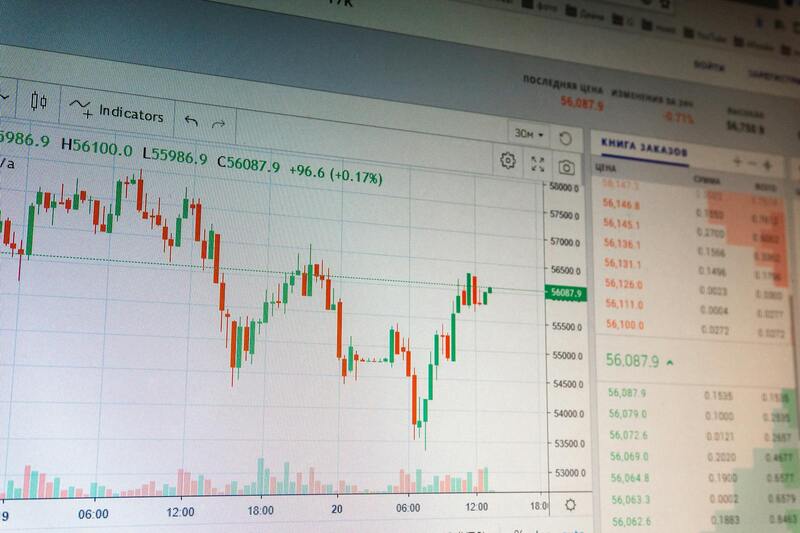
Creating Challenges and Evaluation Criteria for Traders
Developing a structured evaluation process is essential for selecting skilled traders who align with your firm’s goals. Design comprehensive trading challenges that assess key competencies such as risk management, strategic decision-making, and consistency under pressure. These challenges should be tailored to the specific financial instruments your firm intends to trade, whether futures, equities, or forex.
Set clear benchmarks for traders to meet, such as profit targets, drawdown limits, and time frames. Employ simulation environments that replicate real-market conditions to evaluate traders’ responsiveness and discipline. This approach not only helps in identifying talent but also provides a standardized metric for performance assessment, enabling fair comparisons among applicants.

To ensure ongoing performance standards, implement progress tracking with regular evaluations. Create tiered qualification levels where traders can advance upon demonstrating consistent compliance with trading rules and profitability criteria. Additionally, setting specific metrics for trade execution quality, risk control, and market understanding promotes a disciplined trading environment and helps in maintaining the firm’s overall stability.
Implement feedback systems that allow traders to review their performance and receive constructive insights. This encourages continuous learning and skill development, supporting long-term success. By establishing rigorous yet fair evaluation processes, you ensure that only the most capable traders become part of your proprietary trading team, thus safeguarding your firm’s reputation and profitability.
Implementing Risk Management and Discount Strategies
Effective risk management is fundamental in prop trading operations. Create detailed risk protocols that define acceptable trade limits, maximum daily drawdowns, and leverage constraints. These protocols should be integrated into trading platforms with automated alerts and stop-loss orders to prevent excessive losses. Establishing transparent guidelines ensures traders understand their risk boundaries, fostering disciplined trading behaviors.
Incorporate robust risk assessment tools such as real-time P&L tracking, position sizing calculators, and volatility measures. These tools enable traders to make informed decisions and help managers monitor risk exposure continuously. Regular reviews of trading activity and adherence to risk parameters help in identifying potential issues early, allowing for prompt corrective actions.

In addition to risk controls, consider strategic discount programs to incentivize consistent performance. These can include profit-sharing arrangements, tiered bonus systems, or performance-based fee reductions. Such strategies motivate traders to adhere to best practices, improve their results, and foster long-term loyalty to the firm. Regularly reviewing and adjusting these incentive schemes ensures they remain aligned with overall business objectives.
Overall, integrating comprehensive risk management with effective incentive strategies creates a balanced environment where traders are motivated to maximize gains while minimizing losses. This approach not only stabilizes your trading operations but also encourages continual skill enhancement, vital for sustained profitability.
Designing Effective Trader Challenges and Evaluation Criteria
Crafting a compelling trader challenge is integral to attracting skilled traders while assessing their viability within your prop firm’s operational framework. An effective challenge should mirror real trading conditions, allowing traders to demonstrate their skills, discipline, and risk management abilities. Clear parameters such as profit targets, maximum drawdown limits, and time frames are essential to ensure fair evaluation. For instance, setting a profit goal that aligns with achievable expectations within the challenge duration encourages traders to showcase consistency rather than risky spikes in performance.
To enhance the selection process, incorporate multiple stages of evaluation, where initial challenges test basic trading skills, and subsequent rounds assess strategic decision-making and adaptability under varied market conditions. Establish strict but fair benchmarks for trade quality, adherence to risk controls, and overall profitability. This helps in filtering traders who demonstrate potential for long-term success in your firm.
Providing detailed guidelines and support materials before the challenge begins can improve participation quality, as traders will better understand what is expected. Incorporate feedback mechanisms where traders can learn from their performance, fostering skill development and engagement. Additionally, leveraging automated tracking systems ensures accurate measurement of key performance indicators, facilitating objective evaluation.

Ultimately, the goal of your trader challenge process is to identify disciplined, skilled traders who can sustain profitability over time. By establishing transparent, well-structured evaluation criteria, you create a competitive environment that attracts serious participants and filters out less committed individuals. This systematic approach supports your firm's growth by building a team of reliable traders committed to maintaining high-performance standards.
Understanding the Futures Prop Firm Model
The futures proprietary trading (prop) firm model revolves around traders utilizing the firm's capital to execute trades across various futures markets. Unlike traditional investment firms that manage external client funds, a prop firm allocates its own resources to talented traders, offering them a platform to execute sizeable positions without risking personal capital. This structure allows firms to benefit directly from traders’ profits, creating a symbiotic environment driven by performance and discipline.
Futures markets are highly liquid and provide ample opportunities for strategic trading, including trend following, scalping, and arbitrage strategies. Prop firms focusing on these markets tend to emphasize rapid decision-making, strong risk controls, and consistent performance. They often develop proprietary trading algorithms or provide traders with advanced trading software to enhance execution and analytics.
Central to this model is the adherence to strict evaluation and risk management protocols that ensure the firm's capital remains protected while enabling traders to maximize their profit potential within set parameters. The structure encourages disciplined strategies and continuous performance monitoring, fostering a professional trading environment grounded in transparency and accountability.

Initial Requirements for Launching a Prop Firm
Starting a futures prop firm necessitates a sound understanding of market dynamics, trading regulations, and operational infrastructure. To establish the foundation, founders need to secure sufficient capital for initial operations and risk buffers. While the amount varies based on market scope and scale, a prudent initial bankroll supports risk management and liquidity needs.
Legal and regulatory frameworks dictate the licensing and operational standards for futures trading. Acquiring the appropriate permits ensures compliance with exchange requirements and regulatory bodies. This often involves engaging with legal counsel experienced in financial services and futures trading regulations to review all operational procedures and contractual agreements.
Adopting a reliable trading infrastructure is equally critical. This provides the backbone for executing trades, managing risk, and monitoring performance. An often overlooked but vital element is the development or procurement of proprietary trading software tailored to the firm’s specific strategies and evaluation criteria.
Staffing should include professionals with expertise in quantitative analysis, compliance, and risk management, supporting the trading floor and operational activities. Orientation and training programs help traders understand firm policies, risk controls, and trading standards, establishing a cohesive environment aligned with the firm’s objectives.

Developing a Business Plan and Structure
Constructing a comprehensive business plan is foundational for sustainable growth. This document should delineate core objectives, target markets, and revenue projections, serving as a strategic roadmap for operations. It also encapsulates risk management policies, trader evaluation processes, and funding models.
Structuring the firm involves defining ownership roles, operational hierarchies, and compliance protocols. These elements establish accountability and facilitate efficient decision-making. Incorporating clear profit-sharing agreements and expense allocations ensures transparency and motivates trader performance.
Financial planning plays a pivotal role, including capital allocation, operational expenses, and contingency reserves. This planning ensures operational resilience and enables the firm to respond effectively to market fluctuations or unforeseen challenges.
The integration of an operational framework aligned with industry standards allows for smoother onboarding, compliance adherence, and risk control. Regular review and adjustment of the business plan help adapt to evolving market conditions and technological advancements.

Setting Up Trading Accounts and Infrastructure
Establishing trading accounts with reputable futures exchanges and brokers is the next step. Due diligence is crucial to ensure that these accounts are reliable, with competitive commissions, margin capabilities, and technological compatibility with trading platforms. Maintaining relationships with multiple brokers can diversify risk and improve operational flexibility.
Modern prop firms leverage advanced trading software that integrates order execution, risk management, and performance analytics seamlessly. Trading platforms should offer high-speed order execution, real-time data, and customizable dashboards to facilitate swift decision-making.
In addition to the trading tools, implementing robust risk management systems is vital. These systems monitor trader activity, enforce trading limits, and automatically trigger stops or risk reductions when predefined thresholds are exceeded. Automated tracking allows for accurate performance assessment and accountability.
Workspaces equipped with secure internet, reliable power backups, and efficient communication channels foster a professional environment conducive to disciplined trading. Data security protocols protect sensitive information and uphold operational integrity.

Understanding the Futures Prop Firm Model
The futures proprietary trading (prop) firm model is centered around leveraging the capital of the firm to enable traders to execute large-volume trades without risking personal funds. This structure allows talented traders to access substantial leverage and better market opportunities while the firm manages risk and compliance. The model relies heavily on a carefully curated selection of traders, robust risk management protocols, and advanced technological infrastructure to facilitate efficient order execution and performance monitoring.
In a futures prop firm setup, the firm typically provides traders with trading accounts funded by the company, along with the necessary tools and educational resources to optimize their performance. Traders are often evaluated through simulated trading challenges that assess their abilities before granting live trading privileges. Profits generated through successful trades are typically shared between the trader and the firm, with predetermined profit splits and rules to incentivize performance while safeguarding the firm's capital.

Adopting the futures prop firm model requires meticulous planning around capital deployment, trader selection, risk controls, and compliance with exchange standards. Success hinges on the firm’s capability to cultivate skilled traders, utilize cutting-edge technology, and institute a risk-aware environment that promotes sustainable growth and operational resilience.
Initial Requirements for Launching a Prop Firm
Launching a futures prop firm entails fulfilling specific prerequisites that set a solid foundation for ongoing operations. These requirements include securing sufficient initial capital, establishing relationships with futures exchanges and brokers, creating comprehensive trading policies, and assembling a dedicated team capable of managing daily trading activities, compliance, and client relations. It is crucial to establish protocols for trader onboarding, performance assessment, and continuous monitoring to align with industry standards and trading best practices.
- Capital reserve to support trader funding and operational expenses.
- Partnerships with reputable brokers and futures exchanges to facilitate trading liquidity.
- Developed trading platforms integrated with risk management, data analytics, and automations.
- Legal and operational structures, including business registration and compliance frameworks.
- In-house or contracted compliance officers responsible for regulatory adherence and audit readiness.
Developing a Business Plan and Structure
A comprehensive business plan acts as a roadmap for the prop firm's growth trajectory. It should detail the firm's target markets, trader recruitment strategies, risk management policies, revenue sharing models, and technology infrastructure. Structuring the firm involves choosing an appropriate legal entity, setting up operational departments, and establishing clear roles and responsibilities. Effective planning includes risk mitigation strategies, such as limiting trader exposure and implementing automatic trading limits, to maintain liquidity and protect the company's capital.
Key elements to include:
- Market analysis and competitive positioning.
- Trader onboarding and evaluation processes.
- Profit-sharing arrangements and payout schedules.
- Technology stack, including trading software, data feeds, and security protocols.
- Operational policies for risk, compliance, and internal audits.

Setting Up Trading Accounts and Infrastructure
Establishing accounts with established futures exchanges and brokerage firms provides the foundation for market access and liquidity. Selecting competent partners that offer competitive commission rates, margin flexibility, and technologically advanced trading platforms is essential for seamless operational flow. Modern infrastructure incorporates high-speed internet, backup power supplies, and dedicated workspaces to ensure uninterrupted trading activities.
The trading software used should feature customizable dashboards, real-time data feeds, and order execution capabilities that meet the firm’s specific needs. Integrating risk management tools within the trading platform enables real-time oversight of trader activity, automatically enforcing limits and triggering risk mitigation actions such as position reductions or trade halts when necessary. Secure communication channels, such as encrypted messaging and file sharing, are vital to protect sensitive data and uphold trader confidentiality.
Creating Challenges and Evaluation Criteria for Traders
Recruiting skilled traders begins with designing structured evaluation challenges that simulate real-market conditions. These assessments evaluate a trader’s ability to execute trades efficiently, manage risk, and achieve consistent profitability within predefined parameters. Clear evaluation criteria often include maximum drawdown limits, profit targets, time constraints, and adherence to risk management rules.
- Simulated trading challenges that replicate live market scenarios.
- Performance metrics such as risk-adjusted returns, consistency, and discipline.
- Progressive levels of difficulty to identify traders capable of handling high-pressure environments.
- Off-platform interviews and detailed performance reviews to vet traders’ strategic thinking and adaptability.
Successful traders who pass these evaluations are onboarded with formal agreements outlining trading rules, profit-sharing arrangements, and compliance expectations to ensure alignment with the firm's operational standards.
Understanding the Futures Prop Firm Model
Operating a futures proprietary trading firm involves structuring a business that serves as an intermediary between talented traders and the futures markets. The core concept revolves around providing traders with capital to execute trades while managing risk and maximizing profitability for the firm. Unlike standard trading operations, a prop firm primarily invests its own resources or capital pooled from investors, emphasizing performance-driven models. This setup enables traders to leverage large trading capital without risking their personal funds, creating an environment conducive to high returns.

The essence of the futures prop firm model lies in rigorous evaluation, disciplined risk management, and strategic growth initiatives. These firms typically operate through a combination of advanced trading infrastructure, strict evaluation processes, and comprehensive compliance protocols to ensure sustainable operations. The goal is to develop a scalable business that can adapt to market dynamics, maintain profitability, and attract skilled traders who excel within the firm’s operational standards.
Initial Requirements for Launching a Prop Firm
Launching a futures prop firm requires a detailed analysis of regulatory frameworks, operational infrastructure, and capital requirements. While the specific requirements may vary depending on jurisdiction, fundamental steps include securing the necessary financial resources, establishing legal entities, and obtaining relevant licenses or permits for trading activities. It’s crucial to collaborate with financial advisors and compliance specialists to ensure all foundational elements are in place.
- Ensure adequate capital allocation to support trader funding and operational costs.
- Set up a legal entity, such as an LLC or corporation, to facilitate compliance and liability management.
- Implement rigorous internal controls and compliance policies aligned with industry standards.
- Develop detailed operational procedures covering trading, risk management, and trader onboarding.
- Establish banking relationships and payment processing systems suitable for handling trading funds and profit distributions.
Developing a Business Plan and Structure
An effective business plan for a futures prop firm should outline the company’s mission, operational framework, revenue model, and growth strategy. The plan must include detailed financial projections, risk management procedures, and trader evaluation criteria. Structuring the business to include separate divisions for trader recruitment, compliance, risk management, and technology facilitates streamlined operations and adaptability.
This strategic approach ensures clarity regarding profit-sharing arrangements, trader support systems, and scalability pathways. The platform should be designed to integrate advanced trading software, risk controls, and analytical tools to support traders and monitor performance continuously.
Setting Up Trading Accounts and Infrastructure
Building state-of-the-art trading infrastructure is fundamental to operational success. This includes selecting a reliable trading platform with low latency, high stability, and comprehensive risk management features. Connecting to established futures exchanges through direct market access (DMA) ensures transparent execution and real-time data flow. Additionally, implementing secure, redundant data storage and backup systems is critical to safeguard trading records and client data.
Equipping traders with professional-grade hardware, such as high-speed internet connections, dedicated servers, and multiple monitors, enhances execution capabilities and decisiveness. Moreover, integrating trading software with automated risk controls, trading algorithms, and performance analytics optimizes overall efficiency and oversight.
Creating Challenges and Evaluation Criteria for Traders
To identify high-performing traders, structured evaluation challenges are implemented that simulate live market environments. These tests measure trade execution skills, risk awareness, and profitability consistency under predefined parameters. The evaluation often includes:
- Simulated trading challenges replicating real-market scenarios to assess adaptability and decision-making.
- Performance metrics focusing on risk-adjusted returns, drawdowns, and trade discipline.
- Progression by difficulty level, pushing traders to demonstrate resilience in high-pressure situations.
- Interviews and strategic reviews to gauge traders' market understanding and strategic thinking.
Passing candidates are typically offered formal agreements that specify trading rules, profit-sharing arrangements, and compliance obligations. The evaluation process ensures alignment with the firm’s standards and promotes a disciplined trading culture.
Implementing Risk Management and Discount Strategies
Effective risk management is the backbone of a sustainable prop firm. It involves defining maximum drawdown thresholds, setting daily loss limits, and establishing position-sizing rules to prevent excessive exposure. Real-time monitoring tools should be deployed to oversee trader activity, automatically triggering risk mitigation measures such as trade halts or position reductions when limits are approached.
Discount strategies, often linked to profit-sharing models or performance bonuses, motivate traders and align their success with the firm's growth. Transparent and well-structured incentive schemes encourage disciplined trading, reduce turnover, and support long-term profitability.
Marketing and Growing the Prop Firm Business
Building awareness and attracting talented traders is crucial for expanding a futures prop firm’s footprint. Strategic marketing channels include industry-specific advertising, participation in trading conferences, and active online presence through social media and professional networks. Offering educational content, trader success stories, and performance benchmarks establishes credibility and attracts high-caliber applicants.
Developing partnerships with trading communities, financial educators, and technology providers can further enhance the firm’s reputation and operational reach. Continuous improvement of trading tools, trader support services, and operational transparency fosters an environment of trust and professional growth, driving sustainable expansion.
