
How to Start Your Own Forex Brokerage: A Comprehensive Guide
Understanding the Forex Brokerage Industry
Starting a forex brokerage requires a deep understanding of how the industry functions. The forex market is one of the largest and most liquid markets globally, operating 24 hours a day, five days a week. It involves numerous market participants, including retail clients, institutional traders, banks, and hedge funds. The core activity of a forex broker is to facilitate trading by providing a platform where clients can buy and sell currency pairs.
In a typical brokerage operation, the broker acts as an intermediary, executing client orders either directly in the interbank market or through liquidity providers. The profit model often involves earning spreads and commissions on trades. A clear grasp of market structure, order flow, and price formation is crucial for designing an effective brokerage service.
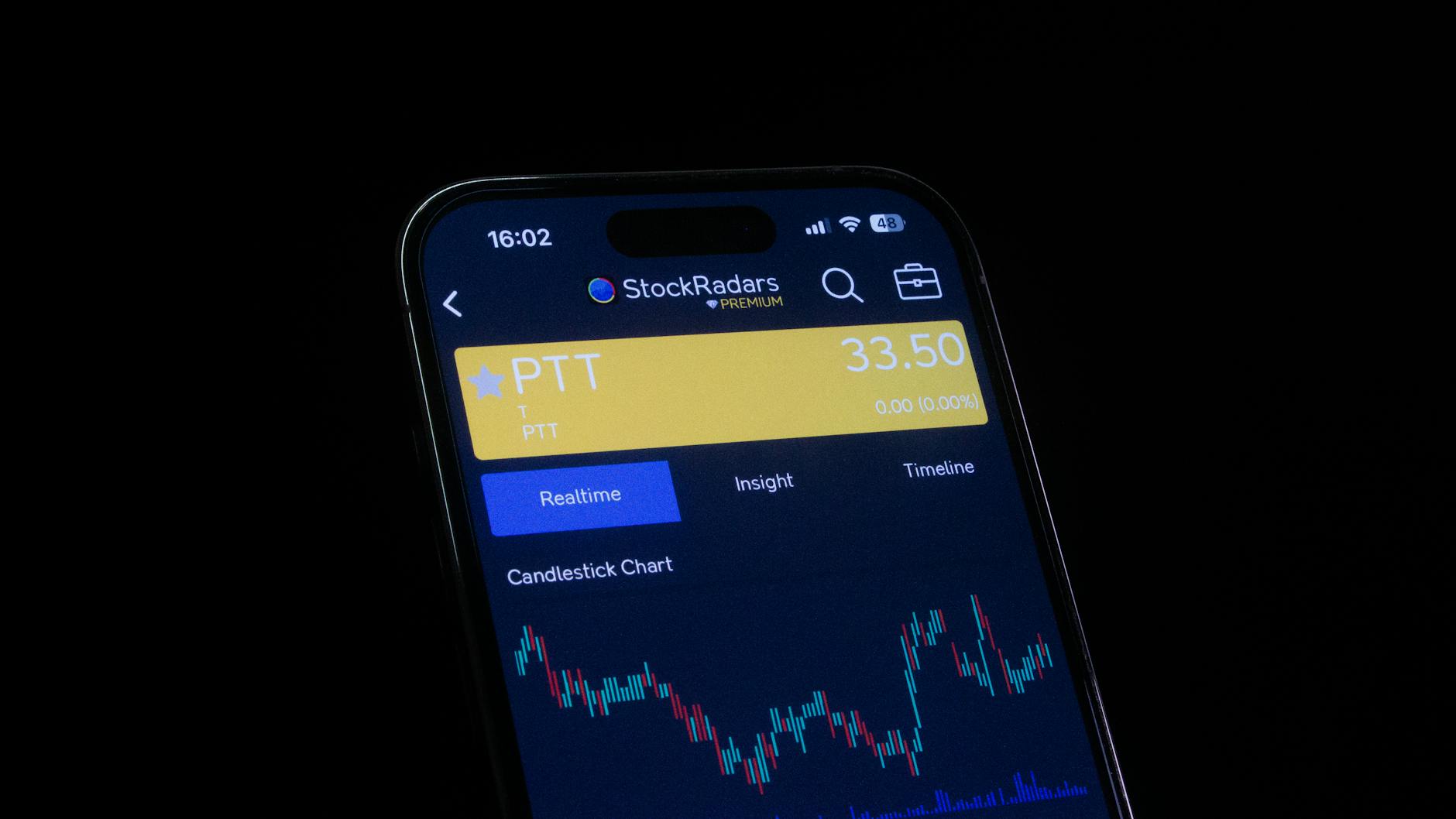
The industry comprises various players, including market-making brokers, ECN (Electronic Communication Network) brokers, and STP (Straight Through Processing) brokers. Each model offers different trading experiences, liquidity access, and pricing mechanisms. Recognizing these distinctions helps in choosing a business model aligned with your objectives and target clientele.
It's also important to understand the regulatory environment, industry standards, and technology trends. These factors influence how a broker operates and maintains credibility. By thoroughly understanding industry fundamentals, you can develop a resilient framework for your brokerage startup.
Legal and Regulatory Requirements
Establishing a forex brokerage involves complying with established procedures mandated by relevant authorities. This includes engaging with licensing bodies, adhering to financial registration policies, and implementing strict operational standards. Securing the appropriate licenses ensures transparency and builds trust within the trading community.
It’s essential to maintain detailed records of client onboarding, transaction history, and financial reporting. These measures support operational integrity and facilitate audits or inspections demanded by regulatory agencies. Additionally, creating clear policies around anti-money laundering (AML) and counter-terrorism financing (CTF) procedures is vital.
Developing a Business Plan and Model
A comprehensive business plan outlines your vision, target market, revenue streams, and competitive advantages. It should detail how your brokerage will differentiate itself in a crowded marketplace, whether through unique trading features, superior customer service, or targeted marketing strategies.
The business model includes decisions on spread types, commission structures, account types, and client onboarding processes. Establishing realistic financial projections and growth strategies guide initial investments and operational scaling.
Choosing Technology and Trading Infrastructure
The backbone of your forex brokerage is the trading platform and infrastructure. Selecting reliable, scalable, and secure software solutions is critical. This includes:
- Trading Platform: Ensure it offers user-friendly interfaces, advanced charting tools, and robust order execution capabilities.
- Liquidity Providers: Partner with reputable liquidity providers to offer competitive pricing and stable trading conditions.
- Risk Management Tools: Integrate features such as stop-loss and take-profit safeguards, real-time monitoring, and margin management.
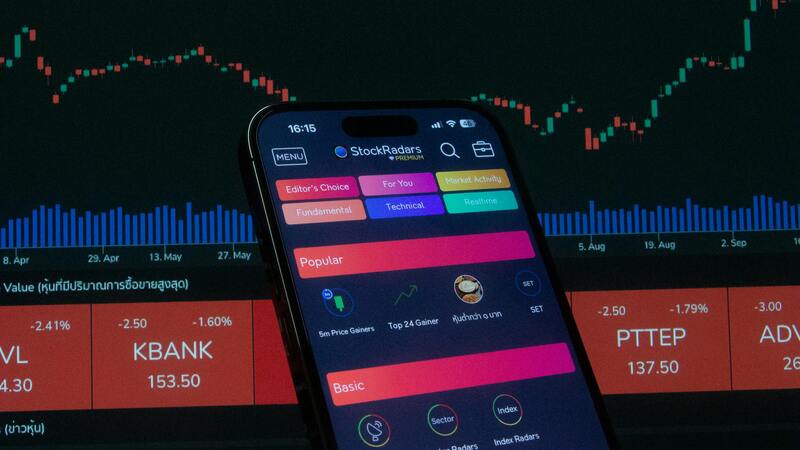
Investing in top-tier cybersecurity measures safeguards client data and transactions. Additionally, choosing a flexible API enables integration with external systems, enhancing operational efficiency and customer experience.
Securing Capital and Funding
Launching a forex brokerage demands significant capital for technology setup, licensing, compliance, and initial liquidity provisioning. Sources of funding include personal savings, investments from partners, or external investors. Crafting a compelling pitch and demonstrating your industry knowledge can attract funding through venture capital or angel investors specialized in fintech startups.
Budgeting for ongoing operational costs, marketing, and contingency expenses ensures financial stability as the business matures. Building relationships with financial institutions can facilitate smoother capital management and liquidity access.
Understanding the Forex Brokerage Industry
Establishing a successful forex brokerage requires a comprehensive understanding of industry dynamics and operational intricacies. A core component involves selecting reliable and scalable trading software solutions that can cater to the needs of a diverse client base. These solutions must streamline order execution, provide advanced analytical tools, and support high-volume trading activities.

Equally important is forming strategic partnerships with liquidity providers. These entities supply the financial backing necessary to offer competitive spreads and ensure consistent trading conditions. Collaborating with reputable liquidity providers guarantees sufficient market depth and minimizes price slippage, fostering trust among clients.
Effective risk management tools are vital for safeguarding both your business and your clients’ assets. Integrating features such as automated stop-loss orders, take-profit levels, real-time margin monitoring, and client account limits are crucial. These tools facilitate prompt response to market volatility and help maintain financial stability.
Key Technology Components for a Forex Brokerage
- Secure and user-friendly trading platforms conducive to both novice and expert traders
- Robust liquidity and order routing systems capable of processing high-volume transactions efficiently
- Advanced cybersecurity measures to protect sensitive client data and transaction integrity
- Flexible application programming interfaces (APIs) enabling seamless integration with third-party services, CRM systems, and back-office solutions
Implementing layered cybersecurity infrastructure is non-negotiable in protecting your business and clients from potential threats. This encompasses encryption protocols, intrusion detection systems, and secure data storage practices. Additionally, a flexible API architecture enhances operational efficiency, allowing customization and swift adaptation to evolving market demands.
Securing Capital and Funding
Launching a forex brokerage involves upfront investments in technology, licensing, compliance measures, and initial liquidity. Financial resources can be accumulated through personal savings, contributions from business partners, or external investors with an interest in fintech ventures. A well-prepared business presentation, emphasizing your industry understanding and strategic plan, improves your chances of attracting investment from venture capitalists or angel investors.
Cost management during the early stages is critical. Planning for ongoing operational costs such as server maintenance, staff salaries, marketing campaigns, and contingency reserves ensures the stability of your business as it scales. Establishing relationships with financial institutions can also facilitate smoother access to working capital and liquidity facilities, supporting your growth trajectory.
Understanding the Forex Brokerage Industry
Establishing a successful forex brokerage begins with a comprehensive understanding of the industry dynamics, including market structure, key players, and operational standards. This knowledge forms the foundation for strategic decision-making and helps in identifying competitive advantages. The forex industry is characterized by its high liquidity, 24-hour trading cycle, and diverse client base, ranging from individual traders to institutional investors. Navigating this landscape requires familiarity with trading mechanisms, order execution processes, and industry best practices to deliver a reliable service.
Additionally, knowing the different types of brokerages—such as market makers, ECNs (Electronic Communication Networks), and STPs (Straight Through Processing)—helps in selecting an optimal business model. Each type offers distinct operational workflows, service offerings, and risk profiles. Market makers, for example, assume the counterparty to their clients' trades, providing fixed spreads but potentially facing conflicts of interest. Conversely, ECNs and STPs facilitate direct access to liquidity providers, allowing for variable spreads and transparent pricing. Understanding these models enables you to match your vision with operational capabilities and regulatory considerations.
Key Industry Attributes
- Market Accessibility: The forex market's round-the-clock nature demands robust infrastructure to ensure uninterrupted service across different time zones.
- Liquidity Sources: Reliable access to liquidity providers is critical. This involves establishing relationships with prime brokers, bank tiers, or other liquidity pools, ensuring competitive spreads and execution speeds.
- Technology and Trading Platforms: The choice of trading software impacts client experience, execution efficiency, and platform security. Compatibility with popular interfaces and ease of integration are vital considerations.
- Compliance and Security: A thorough understanding of trading standards, data protection, and cybersecurity measures is essential to maintain operational integrity and clients' trust.
- Revenue Streams: Typical income sources include spreads, commissions, and overnight financing charges. Structuring fee models to attract and retain traders requires market analysis and strategic planning.
Market Trends and Opportunities
Keeping abreast of technological advancements, such as artificial intelligence for trade analytics and mobile trading innovations, can provide a competitive edge. Trends toward transparency and lower trading costs continue to influence industry standards. Additionally, niche markets, such as social trading platforms or cryptocurrency integration, represent expanding segments within the forex domain, offering further avenues for differentiation.

Developing a Robust Infrastructure and Operational Framework
Establishing a strong operational foundation is vital for the success of your forex brokerage. This involves integrating sophisticated trading infrastructure, which encompasses selecting reliable trading platforms, establishing partnerships with liquidity providers, and implementing advanced risk management systems. Each component should be chosen based on its ability to support seamless client experience, fast execution speeds, and secure transaction processes.
Trading platforms are the backbone of daily operations. Opt for platforms that offer comprehensive features such as real-time data feeds, customizable interfaces, and mobile compatibility. Compatibility with popular trading interfaces simplifies onboarding for new clients and ensures flexible access across devices, which is increasingly important in today’s mobile-centric trading environment.
Liquidity providers directly influence the quality of service you offer. Partnering with reputable prime brokers and tier-one banks guarantees access to deep liquidity pools with minimal slippage and tight spreads, which are essential for attracting professional traders. Maintaining multiple liquidity relationships not only enhances execution quality but also provides backup options, reinforcing operational stability during volatile market conditions.
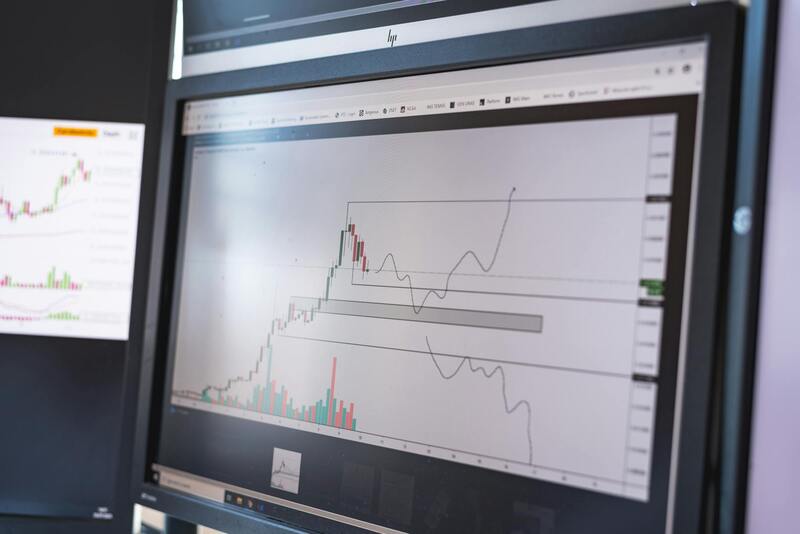
Risk management systems are equally critical. Implementing robust risk mitigation tools such as real-time exposure monitoring, automatic margin calls, and stop-loss protocols helps safeguard your brokerage from excessive losses and financial instability. Automated risk controls enable quick responses to market fluctuations, protecting both your business and your clients’ investments.
Cybersecurity forms an integral part of your operational security measures. Employing encryption technologies, two-factor authentication, and secure data storage practices ensures client information and transaction data remain protected from unauthorized access and breaches. Regular security audits and staff training further bolster your defenses against cyber threats.
Establishing Business Processes and Support Systems
Beyond technical infrastructure, operational processes such as account opening procedures, KYC (Know Your Customer) compliance procedures, deposit and withdrawal workflows, and dispute resolution are fundamental. Streamlined, transparent procedures enhance client trust and operational efficiency.
Customer support channels should be accessible, responsive, and multi-lingual to cater to a diverse global clientele. Incorporating live chat, email, and hotline support staffed by trained professionals ensures that client inquiries and issues are addressed promptly, fostering confidence and satisfaction.
Ensuring Continuous Service and Scalability
As your client base grows, scalability becomes a key consideration. Choose infrastructure solutions that can expand without significant overhauls or costs. Cloud-based systems offer flexibility and scalability, allowing you to adjust server capacities and software licenses dynamically based on demand. This approach minimizes disruptions and ensures consistent service quality, even during peak trading times.
Regular system updates and maintenance are necessary to keep operational tools aligned with emerging trends and technological standards. Implementing comprehensive backup solutions and disaster recovery plans further safeguards your business from unexpected outages, ensuring uninterrupted service provisioning.
Securing Capital and Funding
Establishing a robust financial foundation is essential for launching and sustaining a forex brokerage. Adequate capital supports initial setup costs, ongoing operational expenses, and compliance-related expenditures. A well-structured funding strategy involves exploring multiple sources of capital, each suited to different phases of your business development.
One primary option is attracting investor funding. Presenting a comprehensive business plan that highlights your market analysis, growth projections, and risk management strategies can persuade angel investors or venture capitalists to invest in your venture. Such investors often seek detailed financial projections and a clear value proposition, emphasizing the potential for returns and stability.
Partnerships with established firms or financial institutions can also provide both capital and credibility. These alliances can facilitate access to trading liquidity, technology infrastructure, and client networks. Additionally, engaging with financial institutions for lines of credit or working capital financing can bridge initial cash flow gaps and promote smooth operational continuity.
Operational and compliance expenses, such as licensing fees, technology upgrades, and staff training, are critical for long-term viability. Estimating these costs meticulously and securing sufficient funding ensures that your brokerage can meet regulatory requirements, invest in cutting-edge trading platforms, and deliver excellent client service from inception.
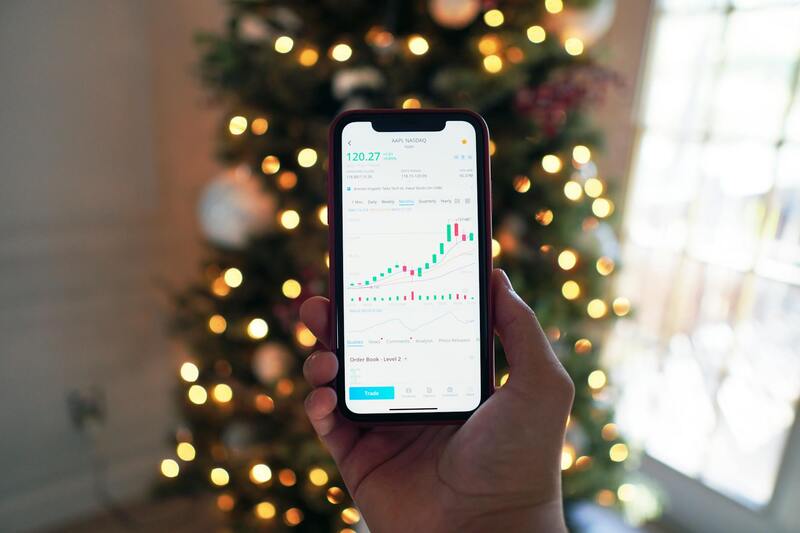
Monitoring market trends and maintaining flexible funding arrangements allows for adjustments as your business scales. Using a combination of equity investment, debt financing, and reinvested profits optimizes capital structure, supporting sustainable growth and operational resilience.
Establishing System Security and Data Protection Measures
Ensuring robust security protocols and data protection strategies is integral to safeguarding your clients’ assets and maintaining operational integrity. Implementing comprehensive cybersecurity measures involves deploying firewalls, encryption, and intrusion detection systems designed to prevent unauthorized access to sensitive information. Additionally, regular security audits and vulnerability assessments help identify potential weaknesses before they can be exploited, allowing for timely mitigation.
Data privacy standards and secure client onboarding processes must be meticulously designed, including multi-factor authentication and secure document verification. Protecting personal identification information (PII) aligns with industry best practices and reassures clients that their data is handled with the utmost care. Staying updated on emerging cyber threats and adapting your security infrastructure accordingly is essential to counteract evolving risks.

Integrating Reliable Liquidity Providers and Trading Platforms
Access to dependable liquidity is crucial for providing tight spreads and consistent execution speeds to your clients. Establishing partnerships with multiple liquidity providers (LPs) enables you to optimize pricing, enhance order execution quality, and mitigate risks associated with depending on a single source. Comparing liquidity solutions involves evaluating factors such as spreads, commissions, execution speed, and the provider’s market reputation.
Investing in advanced trading platforms that support a variety of trading instruments and order types is essential to meet diverse client needs. The platform should offer a user-friendly interface, real-time data feeds, and customizable trading tools. Compatibility with various devices and operating systems ensures broader access and enhances client satisfaction.
Seamless integration between your trading infrastructure and liquidity providers minimizes latency, ensuring your clients experience swift and reliable order execution. Employing FIX protocol connectivity or other high-speed APIs can significantly improve trading performance, reduce slippage, and facilitate efficient trade management.

Implementing Robust Client Support and Educational Resources
Providing excellent client support is a key aspect of building a trusted brokerage. This involves establishing multiple communication channels, such as live chat, email, and dedicated phone support, staffed by knowledgeable team members. Regular training for support staff ensures they can resolve technical issues, answer trading inquiries, and guide clients through platform functionalities effectively.
Developing a comprehensive educational resource library, including tutorials, webinars, and market analysis reports, empowers clients to make informed trading decisions. This not only improves user engagement but also fosters longer-term relationships, as clients increasingly trust brokers who offer ongoing education and market insights.

Establishing Payment Processing and Withdrawal Mechanisms
Secure and efficient payment and withdrawal systems underpin a smooth client experience. Integrating multiple payment options, including bank transfers, e-wallets, and card payments, expands accessibility and convenience for clients worldwide. Choosing reputable payment processors ensures transactions are handled securely, reducing the risk of fraud or delays.
Clear withdrawal policies and fast processing times are critical for client satisfaction. Automating verification processes and leveraging escrow accounts can help manage risk and provide peace of mind to clients regarding the safety of their funds. Regular reconciliation and monitoring of transactions help identify anomalies early, safeguarding both your platform and your clients’ assets.

Understanding the Forex Brokerage Industry
Launching a successful forex brokerage requires an in-depth understanding of the industry’s structure and key operational components. The market is highly competitive, with a wide array of brokers offering diverse trading conditions. This complexity emphasizes the importance of establishing a clear value proposition that sets your brokerage apart, whether through competitive spreads, innovative technology, or exceptional client service. Recognizing the different types of brokers, such as market makers and ECN/STP providers, helps in shaping your business model and operational strategies effectively.

In the context of market operations, comprehension of liquidity providers, order execution mechanisms, and pricing models is essential. These elements influence the quality of trade execution, spread competitiveness, and ultimately, client satisfaction. Developing a comprehensive understanding of these components enables you to select suitable technology partners and trading infrastructure providers, ensuring your trading platform offers seamless performance and reliable execution.
Establishing a Niche and Building Trust
Given the competitive nature of the forex industry, defining a niche—whether focusing on specific client segments, specialized trading instruments, or unique educational offerings—can significantly enhance your market positioning. Building trust with clients involves transparency, consistent service quality, and clear communication about the trading environment. This foundation fosters long-term relationships and client retention, vital for sustained growth in the forex brokerage landscape.
Market Dynamics and Industry Trends
Staying informed of industry trends such as technological advancements, regulatory changes, and evolving client needs is critical. Embracing innovations like mobile trading applications, social trading features, or advanced analytics tools can attract and retain clients. Additionally, adhering to industry best practices ensures your brokerage remains competitive and capable of adapting to market shifts efficiently.
Legal and Regulatory Requirements
To operate a forex brokerage that maintains credibility and operational stability, compliance with established frameworks for licensing and regulation is paramount. These frameworks guide the development of operational standards, client protection policies, and financial transparency. Establishing robust compliance protocols early in your business journey enhances trust with clients and partners, facilitating smoother interactions with financial authorities and industry bodies.

This process typically involves submitting detailed business plans, demonstrating sufficient capital reserves, and implementing rigorous anti-money laundering procedures. It also requires regular reporting and audits to ensure ongoing compliance with industry codes of conduct. Implementing compliance measures from the outset mitigates risks related to regulatory scrutiny and operational disruptions.
Choosing Jurisdictions for Licensing
Selecting appropriate licensing jurisdictions involves assessing factors such as regulatory reputation, licensing costs, and operational flexibility. Some regions offer streamlined licensing processes, while others provide more comprehensive regulatory oversight. Evaluating these aspects carefully forms the backbone of a sustainable operational framework and influences your ability to expand and serve international markets effectively.
Policy and Documentation Development
Creating comprehensive legal documentation is essential for transparency and client protection. This includes terms and conditions, privacy policies, risk disclosure statements, and client agreement forms. These documents should clearly define trading conditions, fee structures, and dispute resolution mechanisms, thereby establishing a solid legal foundation for your brokerage operations.
Developing a Business Plan and Model
The critical first step towards establishing a robust forex brokerage involves drafting a detailed business plan. This plan should outline your target market, revenue streams, marketing strategies, and operational costs. It acts as a roadmap, guiding your decisions and resource allocation as you develop your business infrastructure.

Defining your revenue model involves choosing between spreads, commissions, or a hybrid approach, which directly impacts your competitive positioning. Additionally, incorporating a financial forecast helps anticipate profit margins, investment requirements, and cash flow needs, ensuring your business remains viable under various market conditions.
Identifying Your Target Audience
- Retail traders seeking diverse instruments and trading conditions
- Professional traders requiring advanced execution and analytical tools
- Institutional clients looking for customized liquidity solutions
Understanding your audience allows tailored marketing and service development, heightening your chance for success. Incorporate feedback mechanisms and market research to continually adapt your offerings to meet evolving client preferences.
Strategic Alliances and Partnerships
Partnerships with liquidity providers, technology firms, and financial institutions strengthen your brokerage's infrastructure and service offerings. These alliances can provide better pricing, enhanced trading capabilities, and expanded market access, giving you a competitive edge and supporting scalable growth.
Choosing Technology and Trading Infrastructure
Inputting reliable, scalable, and secure trading technology forms the core of your brokerage operations. The selection of a trading platform influences your ability to provide efficient execution, real-time data, and a user-friendly experience. Partnering with established software providers ensures compatibility with various trading conditions and integrates essential features such as risk management tools, advanced analytics, and client management systems.

Security measures, such as encryption protocols and fraud prevention systems, must be incorporated to protect client data and transactions. Furthermore, scalability is crucial as your client base grows; your technological solutions should support increased trading volume and additional features without compromising performance.
Integrating API Solutions and Connectivity
- Connection to multiple liquidity providers for better pricing and execution
- Automation of order processing through APIs to reduce manual errors
- Seamless integration with CRM systems and reporting tools
API integration enhances operational efficiency and allows customization to suit your brokerage’s specific needs, ultimately delivering a smoother experience for clients and staff alike.
Launching and Growing the Brokerage
After establishing a solid foundation in compliance, technology, and client acquisition, the next phase involves executing a strategic launch followed by continuous growth initiatives. Deployment of your brokerage platform should be meticulously planned to ensure a smooth entry into the market. This includes final testing of all systems, staff training, and marketing campaigns aimed at attracting initial clients.
Monitoring key performance indicators (KPIs) is essential for assessing operational efficiency and client satisfaction. These metrics might include trading volume, client retention rates, platform uptime, and customer support responsiveness. Regular analysis of these metrics enables timely adjustments to operational processes, service offerings, and marketing strategies.
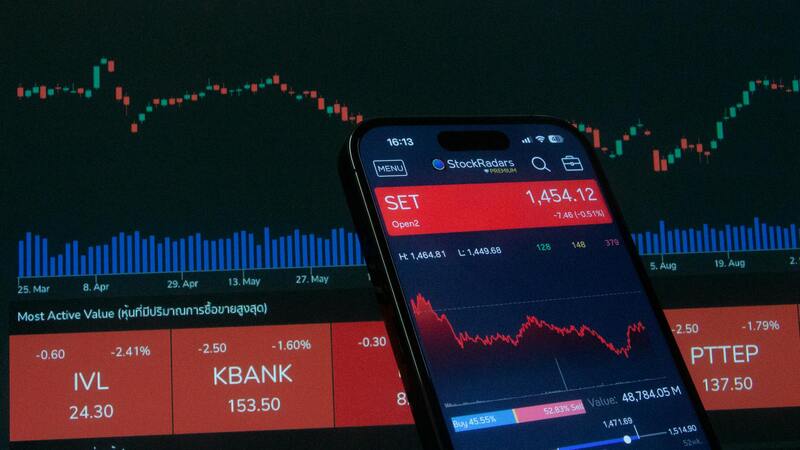
Scaling your operations requires a focus on technological resilience. As your client base expands, your infrastructure should support increased transaction volumes without deterioration of service quality. This may involve upgrading server capacities, optimizing trading algorithms for faster execution, and expanding customer support teams to handle higher inquiries and issues.
Adapting to Market Changes
Market dynamics are constantly evolving due to geopolitical shifts, economic data releases, and technological innovations. Your brokerage must remain agile, adapting to these changes through periodic reviews of trading strategies, risk management policies, and technology upgrades. Staying updated with market trends aids in offering relevant products and services that meet client demands.
Developing strong partnerships with liquidity providers and technology vendors can also enhance your brokerage's adaptability. These collaborations provide access to competitive pricing, advanced trading tools, and enhanced security features, which are crucial amidst changing market conditions.
Implementing Feedback and Continuous Improvement
Engaging with your clients through feedback mechanisms helps identify areas for improvement. Regular surveys, customer support interactions, and performance audits reveal insights into user experience and operational bottlenecks. Implementing these insights effectively leads to enhanced service quality and client loyalty.
Investing in ongoing staff training ensures your team stays proficient with the latest trading technology, compliance requirements, and customer service practices. This emphasis on continuous professional development sustains operational excellence and competitive advantage in the forex brokerage industry.
