
Understanding Futures Prop Firms
Futures proprietary trading firms, commonly referred to as futures prop firms, serve as essential players in the financial markets by providing traders with the infrastructure, capital, and support necessary to engage effectively in futures trading. Unlike traditional trading accounts where traders use their own capital, futures prop firms allocate sizable trading funds to skilled traders, allowing them to leverage larger positions and execute transactions that might be otherwise inaccessible. This model benefits both the firm and the trader: the firm gains access to trading expertise and profit-sharing opportunities, while traders receive capital backing, risk management tools, and mentorship.
The operations of futures prop firms revolve around a core mission: to identify talented traders, assess their skills through rigorous evaluation processes, and then enable them to execute trades with substantial backing. These firms establish structured environments where traders can focus on strategy development, risk control, and performance optimization. They often provide proprietary trading platforms, advanced analytics, real-time data, and educational resources to enhance trading effectiveness.
The role of futures prop firms extends beyond merely funding traders; they cultivate a competitive environment that emphasizes discipline, consistent performance, and risk management. The partnership typically involves profit sharing, where the firm and trader split earnings according to predefined agreements. Since futures contracts are highly leveraged instruments, proper risk mitigation strategies are crucial, and prop firms often impose strict trading rules to safeguard their capital investments.
In recent years, the industry has evolved significantly with technological advancements, transparency, and compliance standards, creating more structured paths for aspiring traders to join reputable firms. This ongoing development underscores the importance of thorough research and understanding a firm’s operational ethos before engaging.
Key Criteria for Selecting the Best Futures Prop Firm
When determining the best futures prop firm, a trader should evaluate several critical factors to ensure alignment with their trading style, goals, and risk tolerance. These criteria serve as a benchmark for assessing the legitimacy, support, and overall opportunity provided by each firm:
- Reputation and Industry Standing: A firm’s credibility is paramount. Established firms with positive reviews and a history of transparent operations tend to offer more reliable partnerships.
- Trading Conditions: These include leverage levels, commissions, fees, and trading platform functionalities, which directly impact a trader’s profitability and experience.
- Account Evaluation Process: The structure and fairness of the initial assessment, including rules for passing the evaluation phase, are important for aspiring traders.
- Risk Management and Compliance: Robust risk controls and adherence to industry standards ensure sustainable trading operations and trader safety.
- Support and Educational Resources: Adequate mentorship, training modules, and operational support contribute to trader growth and success.
- Profit Sharing and Fees: Clear, fair profit split arrangements and fee structures impact overall earning potential.
- Technological Infrastructure: Advanced, intuitive trading platforms and data tools enhance decision-making and execution speed.

Understanding Futures Prop Firms
Futures proprietary trading firms serve as vital platforms for traders aiming to leverage capital and resources to maximize their trading potential. These firms differ from traditional brokerages by providing traders with a funded account, often after passing a rigorous evaluation process. The fundamental appeal of futures prop firms lies in their capacity to offer traders access to significant trading capital, advanced technological tools, and comprehensive support systems, all designed to enhance performance and profitability.
Unlike retail trading accounts, futures prop firms typically have structured evaluation stages that testers must navigate successfully. These stages assess a trader’s ability to maintain disciplined risk management, exploit market opportunities, and adhere to predefined trading rules. Successful completion of these challenges grants traders access to live trading accounts with firm-funded capital, often accompanied by profit-sharing arrangements. This model helps traders to scale their trading activities without risking their personal funds, while firms mitigate their exposure through rigorous risk controls.
Key to a futures prop firm’s success is its technological infrastructure. Advanced trading platforms provide real-time data, analytical tools, and automated trading capabilities, empowering traders to execute strategies efficiently. Additionally, firms often incorporate risk management features such as daily loss limits and trade restrictions to safeguard capital and ensure sustainable operations.
Furthermore, support resources like mentorship programs, detailed training modules, and responsive customer service can significantly influence a trader’s development. Such resources help traders refine strategies, understand market dynamics, and improve execution skills, increasing the likelihood of long-term profitability. Thus, selecting a firm with a robust operational framework aligns with ambition and enhances the overall trading experience.
While evaluating futures prop firms, traders must consider their own trading style and goals to determine which firm’s offerings best serve their needs. From account features to profit-sharing models, every aspect plays a role in shaping potential success within the competitive futures trading arena. A well-informed choice rests on a careful assessment of these elements, ensuring compatibility with one's objectives and risk appetite.
Assessing the Technological Framework and Support Resources
When evaluating prospective futures prop firms, an in-depth understanding of their technological infrastructure is essential. State-of-the-art trading platforms form the backbone of effective trading operations, offering comprehensive features such as real-time market data, advanced analytical tools, and automation capabilities. High-performance execution systems ensure traders can enter and exit positions swiftly, minimizing slippage and optimizing trade efficiency.
Beyond trading technology, the operational support provided by the firm significantly influences a trader’s ability to succeed. Robust risk management tools embedded within the platform, including daily loss limits, margin controls, and trade restrictions, serve to protect both the trader’s capital and the firm's stability. These features promote disciplined trading and help maintain Consistent risk levels, which are vital for sustainable trading careers.

Support structures—such as mentorship programs, detailed training resources, and dedicated customer service—also play a crucial role in fostering trader development. Access to educational materials enables traders to deepen their understanding of market mechanics, refine their strategies, and improve execution. Personalized mentorship can offer tailored guidance on risk management and trade planning, further boosting a trader's confidence and proficiency.
Analyzing Compensation Models and Incentive Structures
The economic arrangements between traders and firms shape not only the immediate profitability but also long-term success. Profit-sharing models vary, with some firms offering a defined percentage of earnings based on performance, while others provide fixed payout structures or tiered revenue splits depending on trading milestones.
Additional incentives may include performance bonuses, trading competitions, and loyalty rewards, which serve to motivate consistent effort and development. Transparency in commission and fee structures is critical, as opaque terms can adversely impact profit margins. Traders should seek firms that clearly communicate their compensation policies and align incentives with sustainable profitability.
The overall financial environment created by the firm—factoring in commissions, fees, and payout schedules—must be carefully weighed against personal trading goals. A firm that offers favorable profit-sharing terms without compromising operational quality can significantly enhance a trader's capacity to grow their capital efficiently.
Evaluating Operational Stability and Transparency
Operational transparency and stability are fundamental in selecting a futures prop firm. Firms that openly disclose their trading conditions, risk controls, fee structures, and profit-sharing arrangements foster trust and allow traders to make informed decisions. Transparency also encompasses the firm’s process for managing client funds, dispute resolution procedures, and compliance measures.
A well-established operational framework reduces uncertainties and provides a foundation for long-term trading success. Consistent performance and adherence to clear policies reinforce the reputation of the firm, making it a reliable partner for traders aiming for sustained growth.
Understanding Futures Prop Firms
Futures proprietary trading firms, commonly known as prop firms, serve as vital platforms for traders seeking to leverage substantial capital to execute their trading strategies. Unlike traditional brokers, prop firms provide traders with access to significant trading accounts, often tailored to fit various experience levels and risk appetites, enabling a focus on performance rather than personal capital constraints. These firms typically operate under structured trading programs, which include specific rules, risk management protocols, and profit-sharing arrangements that influence the trader’s ability to grow their funds.
One of the main advantages of partnering with a futures prop firm is the opportunity to participate in larger positions and increased market exposure that would be otherwise inaccessible to individual traders operating with limited capital. This environment fosters a professional trading atmosphere, where traders can sharpen their skills, manage risk more effectively, and potentially generate consistent income streams. Furthermore, many firms provide educational resources, trade mentoring, and advanced trading tools, all designed to enhance trader performance and adherence to best practices.
In selecting a futures prop firm, understanding the operational framework and the expectations placed on traders is essential. These include adherence to strict risk controls such as maximum drawdown limits and position sizing protocols, which are implemented to safeguard both trader capital and the firm’s financial health. The approach and policies regarding these measures can vary significantly among firms, and assessing these elements can have a direct impact on a trader’s ability to succeed over the long term.

Key Criteria for Selecting the Best Futures Prop Firm
Choosing the most suitable futures prop firm requires careful evaluation of multiple factors that influence both trading performance and overall experience. Critical elements include transparency in operations, the firm’s reputation, support infrastructure, and the terms of profit sharing. Traders should prioritize firms with clearly articulated policies, minimal hidden fees, and well-defined risk management protocols, which collectively contribute to a stable trading environment.
Profit-sharing arrangements are fundamental in assessing potential earnings. The best firms typically offer competitive splits, incentivizing traders to perform at their highest level while maintaining fairness and sustainability. Additionally, evaluation should extend to the firm's operational stability—stable funding processes, responsive customer service, and consistent performance records are indicators of a reliable partner.
Another vital consideration involves the firm’s training and educational resources, as these can significantly enhance a trader’s ability to adapt and thrive within the firm’s structure. Technology and trading platforms also play a crucial role; access to advanced tools and real-time analytics support informed decision-making and can elevate a trader's effectiveness in volatile futures markets.

Challenges and Requirements of Prop Firm Challenges
Participating in a futures prop firm challenge necessitates a disciplined approach, as these competitions serve to demonstrate trading skill and risk management discipline. Challenges often impose defined objectives, such as achieving specified profit targets within a set timeframe while adhering to drawdown limits. Meeting these criteria requires a meticulous trading plan, precise execution, and rigorous adherence to risk management rules.
Traders often face demanding conditions, including high leverage and strict profit and loss thresholds, which test their capacity to sustain performance under pressure. Successful completion of a challenge signals the trader’s ability to operate within predefined risk parameters and adapt to dynamic market conditions.
To succeed, traders must familiarize themselves with the specific rules of each challenge, develop a comprehensive trading strategy tailored to the firm's risk management policies, and maintain emotional discipline. Many firms provide resources, webinars, and trading guides to assist traders in preparing for these competitions, emphasizing the importance of a well-structured approach and continuous skill development.

Understanding Futures Prop Firms
Futures proprietary trading firms, commonly known as prop firms, specialize in providing talented traders with access to substantial trading capital in exchange for a share of the profits generated. Unlike traditional brokerage accounts, prop firms fund traders based on demonstrated skill and disciplined trading practices rather than initial capital. These firms typically operate under structured programs where traders undergo assessments or challenge phases to prove their capability to generate consistent profits while managing risks effectively.
Participants in futures prop firms benefit from access to advanced trading infrastructure, including sophisticated trading platforms, real-time market data, and professional support teams. The core aim is to cultivate traders' growth within a system that emphasizes risk control, strategic execution, and scalability of trading capital. Success in a futures prop environment opens opportunities for traders to capitalize on larger positions, leverage, and institutional-grade resources, which are often out of reach for individual traders operating alone.
Key Criteria for Selecting the Best Futures Prop Firm
Choosing the optimal futures prop firm depends on multiple factors tailored to the trader’s preferences, experience level, and trading style. The following criteria are essential when evaluating potential firms:
- Reputation and Track Record: A firm with a proven history of transparent practices, consistent support, and positive trader feedback indicates a reliable partnership.
- Account Structure and Capital Allocation: Evaluate how much capital the firm provides, the scaling opportunities, and the profit-sharing arrangements.
- Trading Conditions: Look for firms offering suitable leverage, acceptable drawdown limits, and flexible trading hours aligned with your strategy.
- Commission and Fees: Understand all costs involved, including commissions, platform fees, and possible penalties, to ensure profitability.
- Support Resources: Access to training, mentorship, webinars, and trading guides can significantly enhance your skills and performance.
- Challenge and Evaluation Process: Assess the difficulty level, rules, and transparency of the evaluation process to match your experience and readiness.

Challenges and Requirements of Prop Firm Challenges
Participation in futures prop firm challenges involves strict adherence to predefined rules designed to test a trader’s skill, discipline, and risk management capabilities. These challenges generally require traders to meet specific profit targets within set timeframes while remaining within prescribed risk limits, typically defined as maximum drawdowns.
Meeting challenge standards demands meticulous planning and disciplined execution. Traders must develop strategic trading plans that balance aggression with risk controls, often utilizing leverage while avoiding excessive position sizes. During the challenge, emotional discipline and consistency are crucial, as impulsive decisions can lead to violations of drawdown limits or failure to meet profit goals.
Moreover, each prop firm has unique challenge parameters, including trading hours, permissible instruments, and rules for scaling the account if the challenge is successful. Successful traders often utilize simulated practice, detailed tracking, and continuous risk assessment during their preparation. Some firms provide educational resources, mock challenges, and real-time support to help traders develop the competence and confidence needed for successful completion.
Trading Conditions and Account Features
Futures prop firms typically furnish traders with specialized account features designed to foster performance and risk management:
- Leverage: Most firms offer high leverage to maximize trading capacity, usually ranging from 10:1 to 50:1, allowing traders to control larger positions with less capital.
- Profit Sharing: Agreements vary, but common models involve traders keeping a percentage of profits, often between 70% to 80%, after overcoming evaluation challenges and account scaling phases.
- Drawdown Limits: Strict caps on daily, total, and per-trade losses are implemented to mitigate risk. These limits demand traders to exercise disciplined risk controls at all times.
- Account Scaling: Successful traders often qualify for account scaling, where their trading capital increases proportionally to consistent performance, allowing for larger positions and greater profit potential.
- Trading Platforms and Tools: Firms usually provide access to industry-standard trading software with features like advanced charting, order types, and automated trading options to improve execution and analysis.
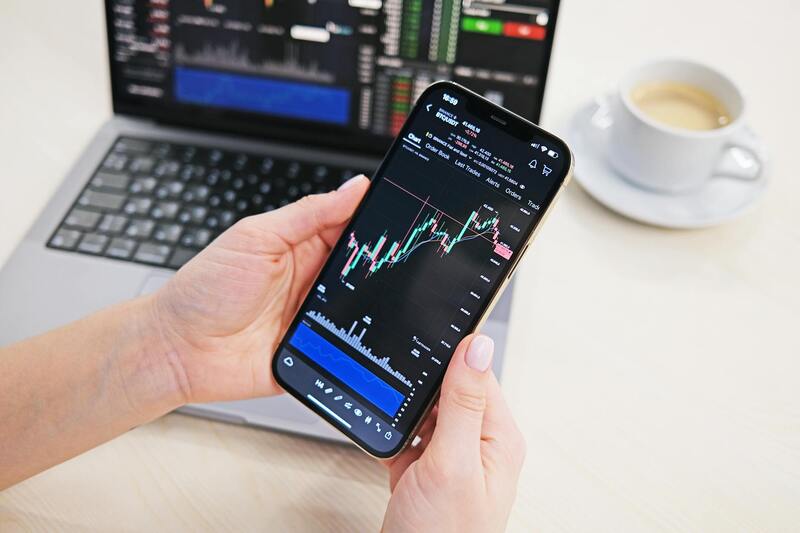
Understanding Futures Prop Firms
Futures proprietary trading firms, commonly known as futures prop firms, serve as platforms where traders can leverage company capital to execute trades in various futures markets. These firms provide traders with access to sophisticated trading environments, capital allocation, and risk management tools, all geared toward maximizing trading performance. Unlike traditional trading accounts where traders risk their own capital, futures prop firms often operate on a model where traders are entrusted with an account funded by the firm, contingent upon meeting specific performance criteria.
Fundamentally, futures prop firms are structured to benefit both the trader and the firm: traders gain access to larger trading accounts and advanced tools, while firms benefit from the profit-sharing arrangements resulting from the traders’ market expertise. This symbiotic relationship underscores the importance of meticulous selection when considering which futures prop firm to partner with, as the right firm can significantly influence a trader’s capacity to grow and succeed within the competitive futures markets.

Key Criteria for Selecting the Best Futures Prop Firm
Choosing an optimal futures prop firm involves assessing several core aspects to ensure alignment with your trading ambitions and operational needs. The following criteria serve as benchmarks for evaluating the standing and quality of potential partner firms:
- Reputation and Track Record: A proven history of reliable operations and trader success stories provides confidence in the firm's stability and support system.
- Funding and Profit Split: Transparency about capital allocation, profit-sharing ratios, and account scaling prospects is essential. The most reputable firms offer competitive splits, often rewarding traders with 70% to 80% of the profits.
- Risk Management Policies: Strict but clear risk parameters, including drawdown limits and loss controls, foster disciplined trading environments.
- Trading Platforms and Resources: Access to advanced trading software, analytics, and educational resources enhances trader performance and proficiency.
- Challenge Structure and Assessment: Clear evaluation processes to test skills, with mock challenges and real-time support, help traders prepare effectively.
- Account Features and Flexibility: Features such as high leverage, account scaling options, and flexible trading instruments add value to the trading experience.
Challenges and Requirements of Prop Firm Challenges
Most futures prop firms impose rigorous challenges to assess a trader’s discipline, risk management, and trading skills before granting live account access. These challenges typically involve achieving specified profit targets within a defined period while adhering to strict risk parameters like maximum daily losses and overall drawdowns. Success in these tests indicates a trader's capacity to manage risk prudently and execute strategies effectively under pressure.
The challenge process often includes educational components, mock exercises, and real-time support to enable traders to understand the expectations and improve their skills. Failing to meet the criteria may result in account disqualification, but some firms offer multiple attempt options or preparatory resources to enhance success probabilities.

Trading Conditions and Account Features
Once traders pass the evaluation, they gain access to trading accounts with specialized conditions that facilitate strategic execution. Major features include:
- Leverage: Most firms extend high leverage ratios, generally between 10:1 and 50:1, enabling traders to take sizable positions relative to their capital. This increases potential profits but demands disciplined risk controls.
- Profit Sharing: Upon successful trading, firms typically distribute a significant portion of profits to traders, with common splits ranging from 70% to 80%. Profits are often subject to performance and compliance with risk parameters.
- Drawdown Limits: Firm-imposed maximum loss thresholds on daily, weekly, or total accounts enforce risk discipline and protect capital integrity.
- Account Scaling: Consistent profitability can lead to account size increases, permitting larger positions and higher profit potentials over time.
- Exchange Access and Tools: Traders are provided with industry-standard platforms equipped with advanced charting, automated trading, and order management tools to refine execution strategies.
It is vital that traders familiarize themselves with these account features to optimize their trading approach and manage risks effectively in dynamic futures markets.
Understanding Futures Prop Firms
Futures proprietary trading firms, often referred to simply as futures prop firms, are organizations that provide traders with access to trading capital, technology, and resources in exchange for a share of the profits generated. These firms act as facilitators, offering the infrastructure necessary to execute large-scale trades in futures markets without requiring traders to risk their personal funds upfront. The core benefit of partnering with a futures prop firm is leverage—allowing traders to control larger positions with a smaller capital outlay—and the opportunity to scale their trading activity based on consistent performance.

Futures prop firms are instrumental in enabling traders to capitalize on rapid market movements, diversify their trading strategies, and employ advanced trading tools that might otherwise be inaccessible. They typically implement a structured evaluation process, often called a challenge or assessment, designed to gauge a trader’s discipline, consistency, and risk management skills. Upon successful completion, traders are granted live trading accounts with predefined conditions tailored to optimize trading efficiency and profitability. These conditions usually include leverage ratios, profit splits, drawdown limits, and access to sophisticated trading platforms equipped with robust analytical tools.
Due to the competitive nature of the futures markets and the high standards set by reputable firms, traders must maintain discipline and adhere strictly to firm protocols while leveraging the resources provided. Establishing a strong understanding of the specific operational model of each prop firm is crucial for sustained success and growth in the futures trading space.
Key Criteria for Selecting the Best Futures Prop Firm
Choosing the optimal futures prop firm requires a comprehensive evaluation of several critical factors. A top-tier firm should align with your trading style, support growth and stability, and uphold transparency and professionalism in its operations. Here are key criteria to consider:
- Reputation and Track Record: A firm with a proven history of fair dealing and positive trader experiences fosters trust and provides reassurance in high-stakes trading environments.
- Evaluation Structure: Look for transparent challenge procedures that clearly outline pass criteria, rules, and the evaluation period.
- Account Conditions: Favorable leverage ratios, profit splits, and manageable drawdown limits essential for sustainable trading.
- Trading Platforms and Tools: Access to industry-standard software, automated trading capabilities, and advanced charting features enhance strategic execution.
- Support and Education: Robust trader support, educational resources, and community engagement contribute significantly to ongoing development.
- Profit Sharing and Fees: Competitive profit split arrangements and reasonable evaluation or membership fees impact overall profitability.
- Risk Management Policies: Firm-imposed rules that promote disciplined trading, including stop-loss limits and daily maximum loss thresholds, are fundamental to long-term success.
Challenges and Requirements of Prop Firm Challenges
To gain access to funded accounts, traders usually undergo challenges that test their ability to perform under realistic market conditions while managing risk appropriately. These challenges are designed to evaluate consistency, discipline, and risk awareness rather than merely profitable trading. Requirements typically include maintaining specified profit targets within set timeframes, adhering to strict maximum drawdown limits, and demonstrating disciplined trading habits.
Traders must submit to these protocols without exceeding risk constraints, which often entails trading with smaller position sizes initially. Success on these challenges signifies a trader’s readiness for live trading, providing them with the opportunity to scale their activity as they prove consistent over time.
Trading Conditions and Account Features
Once traders clear the evaluation, they gain access to live trading accounts that come with parameters designed to maximize their strategic potential while safeguarding firm capital. Major features include:
- Leverage: Typically high, ranging between 10:1 to 50:1, allowing traders to control larger positions relative to their capital. This amplifies both potential profits and risks, requiring disciplined management.
- Profit Sharing: Profits are shared between traders and firms, often with traders receiving 70-80%, incentivizing consistent performance.
- Drawdown Limits: Daily, weekly, or total loss thresholds foster risk discipline, preventing traders from overextending their risk exposure.
- Account Scaling: Sustained profitability can lead to account size increases, enabling larger trade positions and higher income potential.
- Trading Platforms and Analytical Tools: Traders are equipped with advanced software, customizable interfaces, and automated trading systems to refine their strategies and improve execution efficiency.

Familiarity with these account features allows traders to tailor their approach, optimize risk-reward scenarios, and utilize technological advantages to succeed consistently in volatile futures markets.
Understanding Futures Prop Firms
Futures proprietary trading firms serve as vital platforms for traders who seek to leverage institutional-grade resources, capital, and support to enhance their trading endeavors. These firms typically operate by providing traders with access to significant trading capital, often through an evaluation process that tests their skills and discipline. The overarching aim is to identify competent traders who can manage risk effectively and demonstrate consistent profitability. Participants usually engage in trading multiple futures contracts across markets such as commodities, indices, energies, and currencies, utilizing sophisticated tools and data that might be unavailable in retail trading environments. Futures prop firms are distinguished by their structured compensation models, risk management frameworks, and rigorous training programs, making them attractive options for those aspiring to professional trading careers.
Key Criteria for Selecting the Best Futures Prop Firm
When evaluating potential futures prop firms, traders must consider several essential criteria to align their choices with their development goals and trading style:
- Evaluation Process: An effective evaluation or trading challenge should be transparent, fair, and reflective of real-market conditions without overly restrictive rules.
- Account Size and Scaling Opportunities: The firm should offer scalable accounts that grow with trader performance, providing avenues for increased trading capital and income.
- Profit Sharing Structure: Competitive profit splits incentivize traders, with top firms offering ratios between 70% and 80% of profits retained by the trader.
- Risk Management Policies: Clear drawdown limits, daily loss caps, and risk protocols promote disciplined trading and protect both trader and firm capital.
- Trading Platforms and Technology: Access to high-quality trading software, rigorous data analysis, and automation tools support effective decision-making.
- Reputation and Transparency: Comprehensive reviews, verified success stories, and clear communication reflect the firm’s reliability and commitment to trader success.

Challenges and Requirements of Prop Firm Challenges
Successfully completing a futures prop firm challenge requires a combination of skill, discipline, and strategic planning. Traders need to demonstrate consistent profitability within predefined risk parameters over a set period. These challenges often include trading a specific number of contracts, adhering to maximum drawdowns, and maintaining discipline under real-time pressures. Effective risk management becomes crucial; traders who can control losses, adapt to market volatility, and adhere to the firm’s rules are more likely to succeed. It’s essential to approach these challenges with meticulous preparation, including developing robust trading plans, practicing on simulators, and refining strategies to adapt to dynamic market conditions. Meeting and exceeding challenge requirements not only triggers account funding but also positions traders favorably for scaling their trading activities.
Trading Conditions and Account Features
Once traders acan pass the evaluation, they gain access to live trading accounts endowed with features tailored to support optimal performance. Major account features include:
- Leverage: Typically high, with ratios from 10:1 to 50:1, enabling traders to control larger positions and potentially amplify returns, albeit with increased risk.
- Profit Sharing: A generous split often ranging between 70% and 80%, incentivizing traders to maximize their profitability while staying within risk limits.
- Drawdown Limits: Strict daily, weekly, or total loss boundaries to enforce disciplined trading and avoid excessive risk exposure.
- Account Scaling: As traders demonstrate consistent profits, their accounts can be scaled upward, catering to larger trading positions and higher earning potential.
- Technology and Analytical Tools: Advanced trading platforms, automated trading options, and real-time data analytics empower traders to make informed decisions and execute strategies with precision.

Futures Prop Firm Discounts and Promotions
Many futures prop firms periodically offer promotions designed to attract new traders and incentivize ongoing participation. These promotions may include reduced evaluation fees, cash-back rebates for trading volume, or fee discounts on account scaling. Traders should evaluate these offers with scrutiny, ensuring that promotional terms do not compromise the core quality of the trading environment. Promos that reduce initial barriers can enable talented traders to get started with less capital outlay, while ongoing rebates can aid in lowering overall trading costs. Vigilance in assessing the value and longevity of such discounts helps traders make more informed decisions, ensuring they choose a firm that aligns with both their immediate needs and long-term growth ambitions.
Futures Prop Trading Strategies and Firm Practices
Top futures prop firms foster environments where traders can employ diverse strategies tailored to different market conditions. These strategies include trend following, scalping, hedging, and breakout trading, among others. Firms often encourage the use of automated systems and algorithmic trading to enhance precision and execution speed. Sound firm practices involve regular review of trading performance, adherence to risk controls, and continuous education. Many firms also provide mentorship programs, community forums, and performance analytics to help traders optimize their strategies based on real-time feedback. Emphasizing discipline, data-driven decisions, and adaptability, these practices are crucial for navigating the volatile nature of futures markets successfully.
Top Futures Prop Firms in the USA
The United States hosts several renowned futures prop firms distinguished by their robust evaluation processes, growth opportunities, and trader-centric platforms. Among these, some industry leaders cultivate a reputation for transparency, technological innovation, and superior support structures. Traders are encouraged to review each firm’s operational models thoroughly, considering their specific trading goals and risk appetite. By aligning with firms that demonstrate a proven track record of trader development and operational efficiency, aspiring professional traders can establish a solid foundation for sustained success in futures markets.
