
Understanding Funding Futures Prop Firms
Futures proprietary trading firms, commonly referred to as futures prop firms, serve as vital platforms for both aspiring and experienced traders seeking to maximize their trading potential without the significant capital risk involved in traditional trading accounts. These organizations act as intermediaries that provide traders with the necessary capital, trading infrastructure, and support to execute futures trades effectively. Unlike conventional accounts managed directly through brokers, futures prop firms operate under specialized structures designed to evaluate and fund traders who demonstrate proficiency and consistency in their trading approach.
The core function of a futures prop firm is to mitigate the financial exposure for individual traders by providing a pool of capital that traders can access to execute trades in the futures markets. This setup allows traders to leverage larger positions and diversify strategies while the firm manages the overall financial risk. In many cases, traders are required to undergo a structured evaluation process that assesses their trading skills, discipline, and ability to generate consistent profits. Successful traders then receive funding, often with predefined profit-sharing arrangements, which serve as their primary compensation.
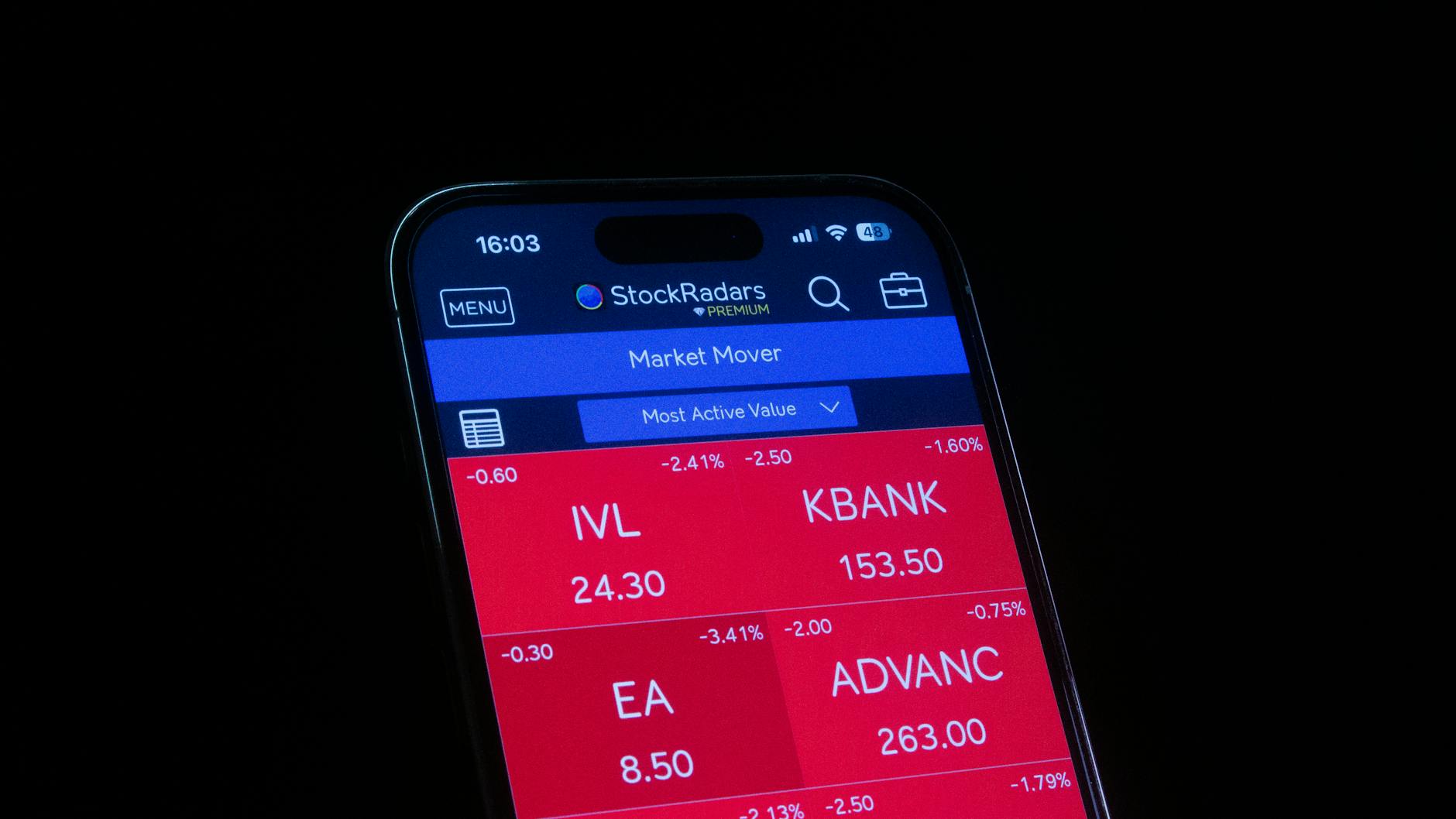
Futures prop firms differ substantially from traditional trading accounts managed directly through brokerage firms. In standard trading accounts, traders use their own capital—often limited—and assume complete risk for their trades. Conversely, futures prop firms supply the trading capital and infrastructure, thereby shifting the financial risk away from individual traders. This distinction makes futures prop firms an attractive pathway for traders seeking to expand their trading activity without the need to secure substantial personal capital.
Differences from Traditional Trading Accounts
- Capital Exposure: In traditional accounts, traders risk their own capital. In futures prop firms, the firm supplies the capital, and traders often operate within specified risk limits.
- Risk Management: Prop firms typically enforce strict risk management rules, including daily loss limits and maximum drawdowns, to protect both the firm's capital and the trader’s career prospects.
- Evaluation and Funding: Traders are usually subjected to a rigorous evaluation process before being funded, unlike traditional accounts where traders can start trading immediately once an account is opened.
- Profit Sharing: Earnings from successful trades are shared between traders and the firm based on predefined agreements, which often incentivize performance and discipline.
Roles and Benefits of Futures Prop Firms
Futures prop firms play a crucial role in fostering trading talent by providing resources, mentorship, and capital that enable traders to focus on refining their strategies. They often supply advanced trading software, real-time data feeds, and comprehensive risk management tools, which are indispensable for professional trading. For traders, this environment offers an excellent opportunity to participate in highly liquid futures markets, execute complex strategies, and potentially generate significant profits—provided they adhere to the firm's guidelines and prove their capability over time.
Moreover, futures prop firms act as incubators for trading skill development, offering structured programs that help traders hone their methodology, psychological resilience, and market analysis capabilities. This symbiotic relationship between trader and firm creates an ecosystem conducive to mutual growth and sustained success in the dynamic futures trading landscape.
Types of Funding Offered by Futures Prop Firms
Futures prop firms present a diverse array of funding solutions tailored to cater to traders with varying experience levels and strategic preferences. These options typically include different account sizes, leverage arrangements, and capital allocation models designed to support traders’ growth and risk management processes.
Account sizes can range from small-scale accounts suitable for emerging traders to large-scale allocations for seasoned professionals aiming to manage substantial positions. The allocation of capital is often structured to allow traders to execute complex strategies without the constraints of personal capital limits, thus enabling the pursuit of higher profitability targets.
Leverage, a key component in futures trading, varies among firms, but most offer competitive ratios that allow traders to amplify their market exposure while maintaining safety margins. Proper leverage utilization, combined with strict risk controls, is fundamental to sustaining trading performance over the long term.

Many firms also provide flexible capital deployment models, such as fixed capital accounts, profit-sharing arrangements, or tiered funding structures that reward performance and discipline. These varied approaches give traders the opportunity to align their trading tactics with the firm's funding methodology, fostering a collaborative environment for growth.
Account Structures and Requirements
Futures prop firms often implement specific account structures designed to evaluate a trader's skill and risk management capabilities before full funding is granted. Common structures include evaluation accounts, demo accounts, and live funded accounts with escalating capital commitments.
To qualify for funding, traders typically need to meet certain prerequisites, which may include a demonstrated trading track record, adherence to risk parameters, and passing evaluation phases that test their strategic discipline and psychological resilience. These requirements ensure that only traders with a consistent performance record and disciplined approach gain access to significant capital resources.
Account requirements also usually specify minimum trading volumes, profit targets within set timeframes, and adherence to prescribed risk limits, such as maximum daily loss thresholds. Maintaining compliance with these criteria is essential for ongoing funding and growth within the firm.

Challenges and Requirements for Funding
Gaining access to futures prop firm funding involves navigating a series of challenges that test both trading acumen and psychological stamina. Traders must demonstrate the ability to remain disciplined under pressure, as well as a deep understanding of market dynamics and risk mitigation techniques.
Key challenges include passing evaluation phases that often involve trading within strict parameters, maintaining profitability over a sustained period, and avoiding excessive losses that could jeopardize the account. Successful traders need to consistently adhere to the firm's risk management protocols, which may include daily loss limits, maximum drawdowns, and position sizing rules.
Moreover, a strong understanding of market analysis, whether technical, fundamental, or a combination thereof, is critical as firms look for traders who can adapt strategies to market conditions. Emotional resilience also plays a vital role, as traders must withstand market volatility without deviating from established trading plans.
Trading Strategies in Futures Prop Firms
Futures prop firms typically support a variety of trading strategies, provided they align with risk management rules. Common approaches include day trading, swing trading, and trend-following systems, all aimed at capitalizing on short-term or medium-term market movements.
Traders in these firms often employ technical analysis tools, such as chart patterns, moving averages, and indicator signals, to identify entry and exit points. Some are also adept at macroeconomic analysis, integrating fundamental factors with technical frameworks to anticipate market shifts.
Firms often encourage the development and refinement of proprietary strategies, supported by access to advanced trading software, real-time data feeds, and comprehensive risk management tools. Collaborative environments foster the exchange of ideas and continual learning, which are essential for adapting strategies to evolving market conditions.
Costs and Discounts in Funding Programs
Participation in futures prop firm funding programs typically involves potential costs, such as evaluation fees or platform charges. However, many firms offer discounts or waived fees based on performance milestones or long-term engagement, making the process more accessible for traders with proven track records.
Additional costs can stem from trading commissions, data subscriptions, or software license fees, which are often integrated into the firm’s overall package. Being aware of these expenses is crucial for managing profitability and ensuring that costs do not erode gains.

Benefits and Risks of Funding Futures Prop Firms
Funding from futures prop firms can significantly elevate a trader’s capabilities by providing access to substantial capital, advanced trading technology, and professional mentorship. These advantages enable traders to execute more diverse and sophisticated strategies, effectively increasing profit potential while reducing personal financial risk.
Nonetheless, the process of obtaining and maintaining funded status involves inherent risks. Traders may face restrictions on trading styles, strict compliance requirements, or the pressure of performance evaluations. Failure to adhere to risk management guidelines may lead to account suspension or loss of funded status.
Understanding these benefits and risks allows traders to make informed decisions about engaging with futures prop firms and to develop disciplined strategies that maximize opportunities while safeguarding against potential setbacks.
Account Structures and Requirements
Futures prop firms typically operate with clearly defined account structures that set the foundation for trading activities. These structures often commence with an initial capital allocation provided by the firm, which serves as the trading account's starting point. The capital amount can vary depending on the firm's policies, the trader’s experience, and the specific funding program they are enrolled in.
In addition to initial capital, traders are expected to adhere to established trading limits designed to mitigate risk and ensure the sustainability of the firm’s capital allocation. These limits include daily, weekly, and monthly loss caps, which are crucial for maintaining disciplined trading practices. Violating these limits may result in account restrictions or termination of funding privileges, emphasizing the importance of robust risk management protocols.

Risk management protocols are integral to the account setup, often involving predefined position sizing, stop-loss orders, and profit targets. These measures are designed not only to protect the firm's capital but also to train traders in maintaining consistent risk discipline. Traders are generally required to follow specific trading styles that align with the firm's compliance policies, which may include restrictions on leverage, trading hours, or the types of contracts used.
Furthermore, some firms offer tiered account structures, where traders can advance through levels based on consistent performance and risk adherence. Advancing levels may unlock increased trading limits, larger capital allocations, and access to more sophisticated trading tools, fostering a pathway for traders to grow their accounts responsibly.
Challenges and Requirements for Funding
Securing funding from a futures prop firm involves meeting a series of specific challenges and requisites. Most firms require proof of trading experience or demonstrated profitability through a trading challenge or evaluation phase. This process helps assess a trader’s ability to generate consistent results while adhering to risk management standards.
During this evaluation period, traders must show discipline, consistency, and the capacity to sustain profits without excessive risk. The ability to adapt to market volatility and adhere to the firm's trading rules can be decisive factors in qualifying for funded status. Additionally, traders might be required to have a clean, verifiable trading record, often obtained through simulations or demo accounts, to showcase their strategies' effectiveness.
Another critical aspect involves understanding and complying with the firm's operational protocols. These include using approved trading platforms, following designated trading hours, and maintaining proper risk controls. Failure to meet these benchmarks can lead to disqualification from funding programs, underscoring the importance of preparation and adherence to guidelines.

Many firms also impose ongoing performance requirements to retain funded status. Continuous profitability, risk discipline, and compliance with trading protocols are monitored regularly. Failing to maintain these standards can result in loss of funding, reinforcing the need for traders to develop disciplined, systematic trading approaches backed by sound risk management.
Trading Strategies in Futures Prop Firms
In funded futures trading, strategy design is pivotal. Traders often leverage a combination of technical analysis, chart patterns, and momentum indicators to identify high-probability trade setups. The use of algorithmic or quantitative methods can also play a crucial role, especially when managing large capital allocations. Efficient strategy development focuses on risk-reward ratios, position sizing, and adaptability to changing market conditions.
Given the capital backing from firms, traders are encouraged to employ diverse trading styles, including day trading, swing trading, and scalping, provided they align with firm guidelines. Flexibility in strategy allows traders to optimize profitability across various market environments, but must always be balanced with rigorous risk controls to prevent significant drawdowns.

Consistent strategy evaluation and refinement form the backbone of successful funded trading. Traders should keep detailed records, analyze performance metrics regularly, and adapt strategies to evolving market trends. Collaboration with mentors or participating in ongoing training programs offered by some firms can further enhance strategy effectiveness.
Costs and Discounts in Funding Programs
The financial commitment involved in funding futures prop programs varies across firms. Generally, traders pay one-time or periodic evaluation fees, which cover the cost of assessment challenges and account setup. Once funded, traders might encounter additional expenses, such as commissions, data feeds, or platform licensing, which are often bundled into the program’s overall fee structure.
Firms may implement discounts based on trader performance or long-term engagement. For instance, high-achieving traders who meet revenue milestones or pass multiple evaluation phases could qualify for reduced fees or profit-sharing adjustments. These incentives are designed to motivate traders to maintain consistent performance and develop a sustainable trading approach.
Cost management is essential, and traders should conduct a thorough analysis of all potential expenses associated with the funded account, including software subscriptions, data services, and trading commissions. By understanding the full scope of costs, traders can better forecast profitability and ensure their trading strategies are financially viable within the program's environment.
Understanding Funding Futures Prop Firms
Funding futures proprietary (prop) firms serve as pivotal entry points for traders seeking to leverage external capital to amplify their trading efforts. These firms provide traders with access to significant trading accounts, often with minimal initial capital outlays, focusing on nurturing talent while sharing in the profits generated. The core appeal of funding futures prop firms lies in their ability to offer a structured environment where traders can operate with substantial leverage, risk management protocols, and professional risk monitoring tools. This setup allows skilled traders to scale their operations without the constraints of personal capital limitations, fostering an environment conducive to consistent income generation and professional growth.
The primary objective of these firms is to identify proficient traders capable of consistent, profitable trading within established risk parameters. Once selected, traders are granted accounts that are usually scaled based on their demonstrated skill, risk discipline, and trading history. This model incentivizes traders to optimize their strategies, adhere to risk management standards, and maximize profitability, as their success directly impacts their earning potential and progression within the firm.

Types of Funding Offered by Futures Prop Firms
Futures prop firms typically present their funding programs in several formats, tailored to fit different trader profiles and risk appetites. These variations generally include evaluation-based accounts, instant-approved accounts, and in-house funding pools, each with its unique process and requirements.
Evaluation-Based Funding
This approach involves traders completing a series of trading challenges or simulations to prove their skill and risk management ability. Successful completion usually culminates in the award of a funded account, allowing traders to operate with real capital. Evaluation programs are designed to assess consistency, adherence to risk parameters, and profitability over a specified period.
Instant Funding Accounts
Some firms offer immediate access to funded accounts without a pre-trading evaluation by leveraging proprietary screening processes or prior trading records. While this method may vary in qualification criteria, it typically requires traders to demonstrate expertise through documented track records or certifications accepted by the firm.
In-House Funding Pools
These involve traders being directly provided with capital from the firm, often through a partnership or profit-sharing agreement. Such pools may be awarded based on existing performance metrics, reputation, or ongoing performance in real-time trading activities managed by the firm.

Account Structures and Requirements
Futures prop accounts are structured to ensure alignment with both the trader’s growth goals and the firm’s risk management standards. There are typically clear size specifications, risk limits, and operational guidelines that traders must follow to maintain their funding status.
Account Sizes and Scaling
Initial account sizes vary, often starting from a few thousand dollars and scaling upwards based on trading performance. Profitable traders demonstrate their ability to manage risk effectively while generating consistent returns, which may lead to account size increases, thus allowing for larger positions and higher profit sharing.
Risk Management Requirements
Critical to funding success is strict compliance with risk parameters. These often include maximum daily loss limits, per-trade risk restrictions, and overall account drawdown caps. Adhering to these measures helps protect both the trader and the firm from significant losses while promoting disciplined trading practices.
Operational and Compliance Standards
Suitable documentation, regular reporting, and adherence to trading rules are standard requirements. Traders often need to submit trading logs, verify platform compliance, and participate in ongoing evaluations to retain funding privileges. Demonstrating professionalism and consistency is essential for long-term success within these programs.
Understanding Funding Futures Prop Firms
Funding futures prop firms serve as catalysts for traders seeking to leverage substantial capital to maximize their trading potential. These firms provide the necessary financial backing, allowing traders to operate with larger position sizes and reduce personal risk exposure. Through structured programs, traders can access significant funds without the need for personal capital investment, provided they meet specific criteria and demonstrate consistent trading performance. The core purpose of such firms is to facilitate professional-grade trading environments, offering not only capital but also resources like advanced trading software, risk management support, and mentorship to enhance the trader's skills and trajectory.

This model benefits both parties: traders gain access to increased trading limits and potential profit sharing, while firms mitigate risk through stringent performance and risk protocols. The relationship is often based on performance milestones, where traders must meet specific profit targets and adhere to risk parameters to sustain or increase funding levels. Transparent evaluation processes and consistent trading discipline are crucial in establishing and maintaining a successful funding relationship.
Types of Funding Offered by Futures Prop Firms
Futures prop firms organize their funding programs into several distinct categories, tailored to accommodate varying trader needs and experience levels. These typically include:
- Evaluation or Challenge Accounts: Traders undergo a testing phase where they demonstrate their trading skills within predefined rules. Successful completion of this stage grants access to a funded account, often with fixed or escalating capital.
- Continuous Funding Accounts: Traders who already meet certain performance criteria can access ongoing capital allocations, sometimes with options to increase funding based on consistent profitability and adherence to risk management strategies.
- Shared Profit Models: Under this format, traders operate accounts with shared risk and profit percentages, aligning incentives with the firm's risk management goals.

Each funding model comes with its own set of benefits and challenges, including varying criteria for account approval, risk limits, and profit-sharing arrangements, emphasizing the importance of aligning personal trading style with the firm's operational framework.
Account Structures and Requirements
Futures prop accounts are meticulously structured to ensure regulatory compliance, risk control, and operational efficiency. The typical account setup involves several key components:
- Initial Capital Allocation: Ranging from a few thousand to hundreds of thousands of dollars, the starting account size is determined by the trader’s skill level and the firm's entry criteria.
- Risk Limits and Trading Rules: Traders must operate within strict daily loss limits, per-trade risk thresholds, and overall drawdown caps to prevent excessive exposure and preserve the account's integrity.
- Funding Progression: Performance-driven scaling allows traders who consistently meet profit targets and maintain discipline to access larger accounts and higher profit shares.
- Operational Standards: Documentation, trade reporting, and regular review sessions uphold transparency and consistency. Adherence to these standards is essential to retain funding status and demonstrate professional conduct.

Account requirements are often supplemented with specific trading platform standards, compliance protocols, and ongoing evaluations designed to ensure traders adhere to the firm's rules, thus maintaining a robust and disciplined trading environment conducive to long-term success.
Challenges and Requirements for Funding
While funding futures prop firms open pathways to significant trading capital, they also impose strict challenges. Traders need to clearly understand and meet these fundamental prerequisites:
- Consistent Performance: Demonstrating steady profitability within risk limits over an evaluation period or ongoing basis is crucial. Sudden and unexplainable losses can jeopardize funding, emphasizing the need for disciplined trading and effective risk management.
- Discipline in Risk Management: Adherence to predetermined loss limits per trade, daily loss caps, and maximum drawdowns ensures the sustainability of the funding agreement and helps traders avoid catastrophic losses.
- Adherence to Trading Rules: Strict compliance with the firm's operational protocols, including trading hours, permissible instruments, and reporting requirements, is essential. Non-compliance can lead to penalties or termination of funding privileges.
- Ongoing Evaluation and Reporting: Regular submission of trading logs, performance reports, and possibly live evaluations are standard practices. These processes serve both as feedback mechanisms and as accountability measures to ensure continued adherence to high trading standards.

Successfully navigating these challenges not only secures ongoing funding but also aids in developing disciplined trading habits, essential for long-term profitability and growth in the futures markets.
Understanding Funding Futures Prop Firms
Funding futures prop firms serve as catalysts for traders aspiring to access substantial trading capital without risking their personal funds. These firms typically evaluate traders through structured assessments, aiming to identify those with the skill, discipline, and risk management abilities necessary for successful trading. Once a trader is approved, the firm provides a trading account funded with capital that can be significantly larger than what the trader could personally allocate. This arrangement allows traders to leverage larger positions, diversify strategies, and maximize profit potentials while limiting personal financial exposure.
Futures prop firms often cultivate a rigorous environment where traders are expected to demonstrate consistent profitability and disciplined trading practices. The core value lies in the partnership—traders benefit from the firm's resources and capital, while firms mitigate their risk by enforcing strict trading protocols, evaluation criteria, and ongoing performance reviews. This symbiosis fosters a professional trading culture where risk management and strategic consistency are paramount.

Types of Funding Offered by Futures Prop Firms
- Evaluation Accounts: These accounts are used to assess traders' skills over a specified period. Successful completion often leads to a funded trading account.
- Immediate Funding Accounts: Some firms provide instant access to capital with less stringent initial testing, typically to experienced traders with proven performance histories.
- Scaling Programs: As traders demonstrate consistent profitability, they may qualify for increased funding or scaling payouts, allowing for larger trading volumes and higher profit sharing.
Account Structures and Requirements
The structure of funded accounts varies across firms but generally includes specific parameters regarding trading limits, risk controls, and performance tracking. Requirements for account approval often encompass:
- Proving a minimum track record of profitability over a set evaluation period.
- Adhering to predetermined risk parameters, such as maximum daily loss, overall drawdown limits, and position sizing rules.
- Maintaining discipline in trading hours and instrument choices.
- Providing regular reports and logs for performance review.
Account requirements are tailored to ensure that traders can sustain sustainable and disciplined trading practices, promoting long-term profitability and risk mitigation.

Challenges and Requirements for Funding
Securing funding from futures prop firms involves navigating a series of challenges designed to ensure traders maintain high standards:
- Performance Consistency: Showing steady profitability with minimal drawdowns during evaluation phases is essential. Erratic results or unexplainable losses often disqualify candidates.
- Robust Risk Management: Strict compliance with risk limits, including position sizing, stop-loss adherence, and daily loss caps, is compulsory.
- Discipline and Protocols: Consistent adherence to trading rules, including trading hours, instruments permitted, and reporting procedures, help maintain the integrity of the program.
- Continuous Evaluation: Ongoing performance reviews and timely reporting are common, ensuring traders remain aligned with firm standards.
Mastering these challenges requires a professional approach, discipline, and a strategic mindset. Success hinges not only on trading skills but also on adherence to the operational frameworks set by the firm. Traders who excel in managing their risk and maintaining consistent profitability are more likely to benefit from the advantages provided by funded programs.
Funding Futures Prop Firms: Official and Proven Methods
Deepening the Understanding of Funding Methods in Futures Trading
When seeking funding through futures prop firms, traders should focus on officially recognized channels that are transparent and adhere to industry standards. These methods typically involve well-established programming within professional trading communities, participating in regulated evaluation processes, and engaging directly with firms that have a proven track record of funding successful traders.

Identifying and utilizing credible funding avenues involves a systematic approach that includes rigorous assessment of the firm’s credentials, history, and the transparency of their funding procedures. Traders are encouraged to review official documentation, certifications, and client testimonials to ascertain the firm’s standing within the trading community.
Official Funding Platforms and Evaluations
The backbone of legitimate funding methods includes participating in formal evaluation programs offered by recognized futures prop firms. These programs are designed to assess a trader’s ability to generate consistent profits while maintaining strict risk controls. Participation typically involves the following steps:
- Application Submission: Providing proof of trading experience, risk management discipline, and trading strategy details.
- Evaluation Phase: Demonstrating trading skills on a simulated or live account under set rules and performance benchmarks.
- Verification Process: Undergoing reviews for adherence to risk protocols, profitability consistency, and trading discipline.
- Account Funding: Upon successful completion, the trader receives a funded account with defined trading limits and support structures.
Participation in Regulated Trading Competitions and Challenges
Another official route involves joining regulated trading competitions organized by accredited brokers or industry associations. These competitions serve as official platforms for earning funded accounts by showcasing trading skills publicly and transparently. Success in such competitions often leads to direct funding offers, providing a clear, verifiable pathway to program participation.
Engagement with Industry-Verified Mentoring and Training Programs
Many reputable firms offer training and mentorship programs that are aligned with their funding criteria. Completing these programs not only prepares traders for evaluation but also enhances credibility. Moreover, firms that are transparent about their training process and its connection to their funding pipeline provide a trustworthy route for traders aiming to access official funding opportunities.
Practical Steps to Access Funding from Futures Prop Firms
Successfully obtaining funding involves strategic engagement with official channels through meticulous preparation and adherence to established standards. Traders should:
- Research and identify reputable futures prop firms with transparent funding protocols.
- Prepare comprehensive documentation of trading experience, risk management practices, and performance history.
- Participate in official evaluation programs, contests, or certification courses offered by recognized organizations.
- Maintain strict discipline and risk controls during all evaluation stages, adhering closely to the firm’s operational guidelines.
- Leverage feedback and performance reviews to refine trading strategies and meet the firm’s standards for funding eligibility.
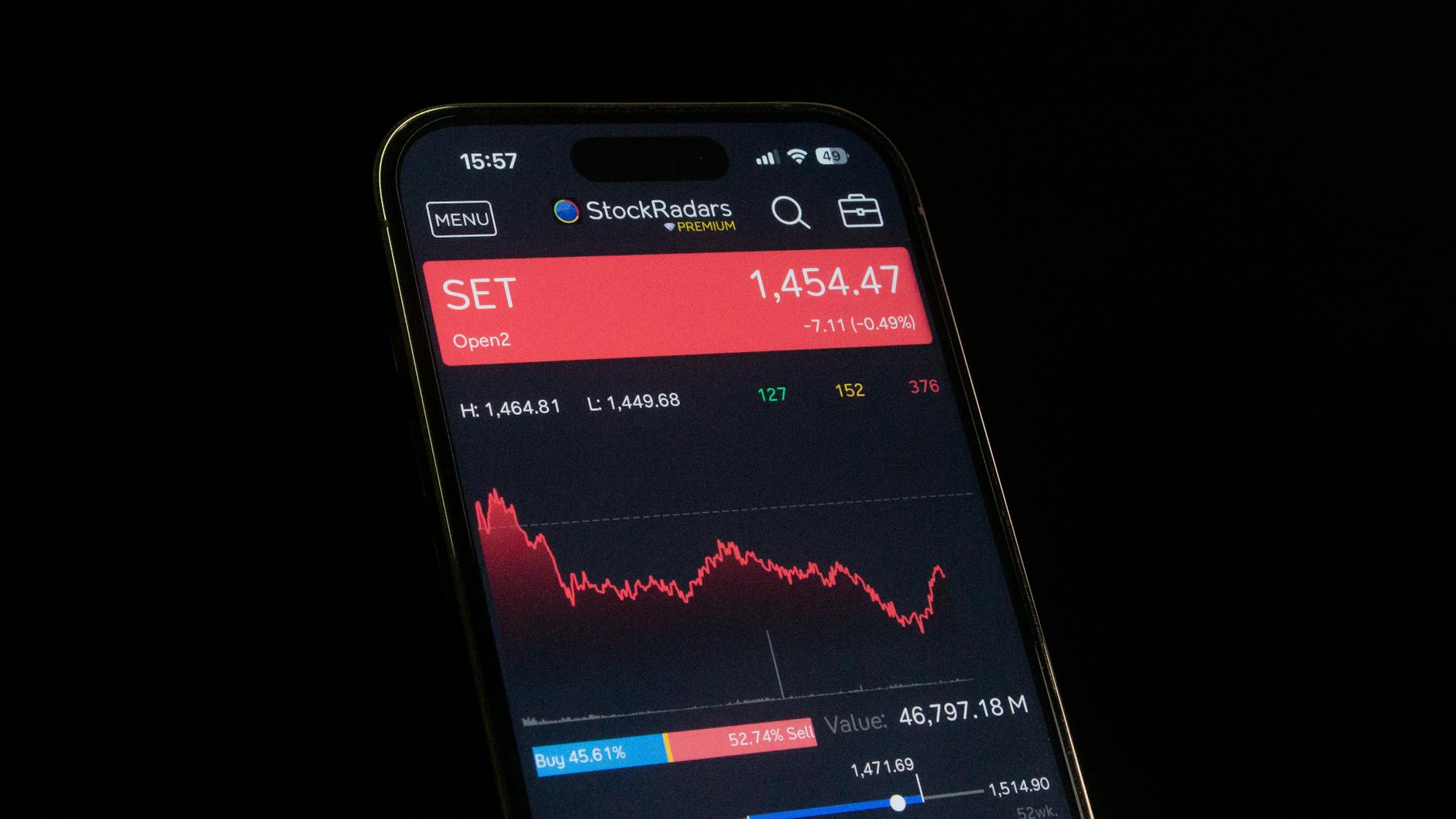
By engaging in these proven activities within official channels, traders can access funding in a manner that ensures transparency, support, and structured growth. Prioritizing formal methodologies over unofficial approaches provides the clarity and security necessary for long-term success in futures trading.
Funding Your Futures Trading Career Through Legitimate Prop Firms
Utilizing Official Funding Methods for Futures Trading
Securing funding to trade futures effectively begins with a comprehensive understanding of the established mechanisms that reputable prop firms offer. Unlike speculative or unverified sources, official funding avenues are designed to provide traders with stable capital, structured support, and transparency. These channels often involve detailed evaluation processes, transparent compliance standards, and consistent performance assessments, all of which uphold a professional trading environment.

Traders aiming to leverage official funding methods should prioritize direct engagement with firms that have clear, documented application protocols. This includes completing standardized evaluation programs that assess trading skills, risk management, and overall consistency. Upon successful completion, traders are granted access to different tiers of funding, which can significantly amplify trading capacity without the need for personal capital infusion, fostering advantageous growth and strategic development.
Official Routes to Secure Funding in Futures Markets
- Evaluation Programs: Most reputable firms conduct comprehensive testing phases, where traders demonstrate their ability to manage risk, follow strategic guidelines, and sustain profitability over multiple trading days or weeks.
- Performance Contests and Challenges: Many companies host contests that showcase a trader’s skill level. Performing well in these structured competitions can lead directly to funded accounts.
- Pre-approved Certification Courses: Participating in recognized training or certification programs offered by well-known trading organizations can serve as a trusted path to funding as they often include assessments aligned with prop firm standards.
- Transparent Application Processes: Applying through official channels—websites, verified representatives, or approved partner networks—ensures adherence to firm protocols and access to accurate information regarding requirements and conditions.
Building Credibility Through Verified Performance
Reliable futures prop firms emphasize verified performance metrics as the foundation for funding decisions. Traders should maintain meticulous records of their trades, risk controls, and evolving strategies. When submitting applications, providing detailed trading histories, alongside demonstrated discipline and consistent results, increases the likelihood of inclusion into funded programs.
Furthermore, engagement with educational resources, webinars, and official training sessions provided by recognized prop firms or industry associations enhances a trader’s reputation and increases credibility. Such commitments reflect a professional attitude aligned with the standards set by established firms, which is crucial when seeking official funding opportunities.
Maximizing Opportunities Through Transparent Practices
In the pursuit of funded trading accounts, transparency is vital. This encompasses honest communication about trading performance, adherence to risk management rules, and compliance with the firm's operational procedures. Reputable firms value traders who demonstrate responsibility, discipline, and a willingness to learn and adapt, fostering an environment of mutual growth.
Engaging exclusively through verified methods not only minimizes risks associated with unofficial channels but also ensures that traders build their careers on a solid foundation of trustworthy practices, paving the way for sustained success in the futures market.
