
Prop Trading Software Alerts
Introduction to Prop Trading Software Monitoring
As a Prop Firm Growth Strategist at Prop Trading Software, I've seen firsthand the importance of monitoring in prop trading. It's crucial — honestly, it's essential. Monitoring helps firms detect and respond to potential issues before they escalate into major problems. In prop trading, monitoring involves tracking various aspects of the trading platform, including trade activity, system performance, and security. You'd be surprised how much of a difference effective monitoring can make. It can help firms minimize losses, optimize trading strategies, and maintain regulatory compliance. So, what are the key concepts and terminology in prop trading software monitoring? Well, let's start with:- Real-time monitoring: The ability to track trading activity and system performance in real-time, enabling swift response to emerging issues — it's a game-changer.
- Alerts and notifications: Automated notifications sent to traders and risk managers when predefined conditions are met, such as unusual trading activity or system errors. These alerts are vital.
- Logging and auditing: The process of recording and analyzing trading activity and system events to identify trends, detect anomalies, and demonstrate regulatory compliance. It's a lot to take in, but trust me, it's worth it.
Types of Alerts in Prop Trading Platforms
Prop trading platforms generate various types of alerts, each serving a specific purpose. Trade alerts, for example, notify traders of market opportunities or potential risks, while system alerts inform IT staff of technical issues, such as server errors or connectivity problems. Then again, security alerts warn of potential security breaches or unauthorized access attempts. The role of alerts in maintaining platform integrity cannot be overstated — they enable prompt response to emerging issues and help prevent minor problems from escalating into major crises.- Trade alerts: Notifications of market opportunities, such as price movements or order book imbalances. These are crucial for traders.
- System alerts: Notifications of technical issues, such as server errors, connectivity problems, or software updates. IT staff need to be on top of these.
- Security alerts: Notifications of potential security breaches, such as unauthorized access attempts or suspicious activity. You can't be too careful when it comes to security.
Logging and Auditing for Compliance and Risk Management
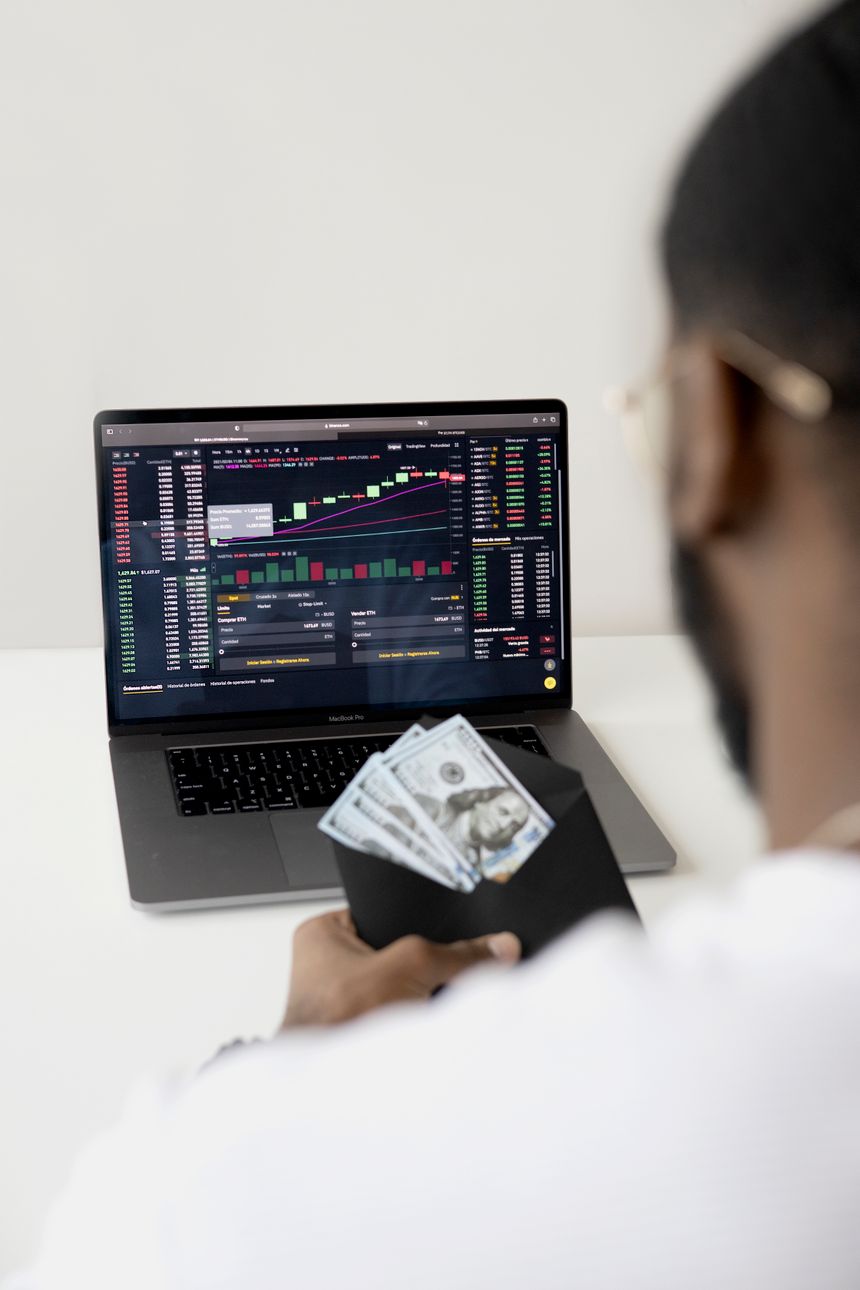
Statistics show that firms that implement effective logging and auditing systems experience reduced downtime, improved trading performance, and enhanced regulatory compliance. For example, a study by a leading industry research firm found that firms with robust logging and auditing systems experienced 30% fewer trading errors and 25% less downtime compared to firms without such systems. That's a significant difference."Logging and auditing are critical components of a prop firm's risk management strategy, as they enable firms to detect and respond to potential issues before they escalate into major problems."
— John Smith, Risk Manager, XYZ Prop Firm
Incident Response Strategies for Prop Trading Firms
Effective incident response is critical in prop trading, as it enables firms to minimize downtime, data loss, and reputational damage. The incident response process typically involves several steps, including identification, containment, and mitigation. Identification involves detecting and isolating the incident, while containment involves preventing the incident from spreading or escalating. Mitigation, on the other hand, involves taking corrective action to resolve the incident and prevent future occurrences. But what does that actually look like in practice?| Incident Response Step | Description | Responsibility |
|---|---|---|
| Identification | Detect and isolate the incident | IT Staff |
| Containment | Prevent the incident from spreading or escalating | IT Staff |
| Mitigation | Take corrective action to resolve the incident and prevent future occurrences | Risk Management Team |
Comparison of Prop Trading Platform Monitoring Tools
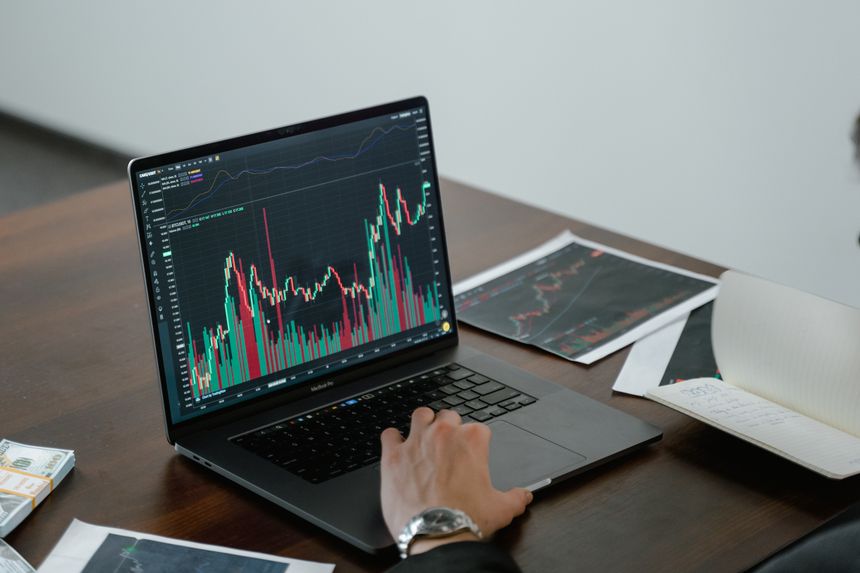
- Platform-specific monitoring tools, such as those offered by Trading Technologies or CQG
- Third-party monitoring tools, such as those offered by ITRS or Sumerian
- Open-source monitoring tools, such as Nagios or Zabbix
| Monitoring Tool | Features | Pricing |
|---|---|---|
| Trading Technologies | Real-time monitoring, alerts, and reporting | Custom pricing |
| ITRS | Real-time monitoring, alerts, and reporting, with advanced analytics and machine learning capabilities | Subscription-based pricing |
| Nagios | Real-time monitoring, alerts, and reporting, with open-source flexibility and customization | Free, with optional paid support |
Expert Insights on Implementing Effective Monitoring Systems

Statistics show that firms that implement effective monitoring systems experience improved trading performance, reduced downtime, and enhanced regulatory compliance. For example, a study by a leading industry research firm found that firms with robust monitoring systems experienced 20% higher trading profits and 30% less downtime compared to firms without such systems. That's a significant advantage."A good monitoring system is like having a guardian angel watching over your trading platform, alerting you to potential issues before they become major problems."
— Jane Doe, CEO, ABC Prop Firm
Best Practices for Customizing Alerts and Notifications
Customizing alerts and notifications is critical in prop trading, as it enables firms to tailor the monitoring system to their specific needs and requirements. Best practices for customization include:- Filtering alerts to minimize false positives and ensure that only relevant information is presented to traders and risk managers
- Escalating alerts to ensure that critical issues are addressed promptly and effectively
- Integrating alerts with other systems, such as risk management or compliance systems, to provide a comprehensive view of trading activity and system performance
"Customization is key to getting the most out of your monitoring system, as it enables you to tailor the system to your specific needs and requirements."
— Bob Smith, Risk Manager, DEF Prop Firm
Conclusion and Next Steps for Enhancing Prop Trading Software Monitoring
In conclusion, prop trading software monitoring is a critical component of a prop firm's risk management strategy, as it enables firms to detect and respond to potential issues before they escalate into major problems. By implementing effective monitoring systems, customizing alerts and notifications, and integrating with other systems, firms can minimize downtime, optimize trading performance, and maintain regulatory compliance. If you're interested in learning more about prop trading software monitoring or would like to discuss your firm's specific needs and requirements, please contact us for more information. We're here to help."A well-designed monitoring system is essential for maintaining platform integrity, minimizing downtime, and optimizing trading performance."
— Carolina Mendez, Prop Firm Growth Strategist, Prop Trading Software
Related Articles
Instant Account Provisioning with Prop Trading Software
Streamlining Trader Onboarding with Prop Trading Software Efficient trader onboarding - it's crucial. I mean, think about it - if you can get traders up and running quickly, you can boost productivity and reduce manual effort. I've seen i...
Prop Trading Software Testing
Introduction to Prop Trading Software Testing So, I've been in the fintech industry for a while now — 18 years, to be precise. And I've learned that rigorous testing is crucial. As a Chief Technology Officer at Prop Trading Software, I've ...
Prop Trading Software for Family Offices
Introduction to Prop Trading for Family Offices As a growth strategist for prop firms, I've seen a significant increase in family offices entering the prop trading space — it's really taken off. Prop trading, or proprietary trading, involv...
