
Understanding the Futures Prop Firm Business Model
Building a prop firm website requires an in-depth understanding of the core business operations, especially within the futures trading sector. Prop firms, or proprietary trading firms, focus on providing traders with the capital, technology, and infrastructure to execute trading strategies while sharing in the profits. These firms serve a targeted audience of active traders, often professional or semi-professional, who seek access to substantial trading capital without risking their own funds.
The primary services of futures prop firms include offering funded trading accounts, providing advanced trading platforms, delivering performance analytics, and maintaining compliance with industry standards. Their key features often encompass rapid account onboarding, risk management tools, real-time data feeds, and reporting systems. To attract talented traders, prop firms also emphasize education, mentorship programs, and competitive profit-sharing schemes.
For website development, clarity about these services and features is paramount. The homepage should immediately communicate the firm’s value proposition, showcasing the benefits of trading with their capital, along with transparent trading conditions. It is essential to design the site so that potential traders easily understand the process of qualification, funding, and ongoing trading support.

The target audience is predominantly traders with experience or strong interest in futures markets, necessitating a website that speaks their language and highlights key features like leverage, margin requirements, and trading platforms. The website’s content should also emphasize transparency and support, two qualities prized by professional traders.
In summary, understanding the business model of futures prop firms allows for optimized website features. By clearly presenting the firm's services, target audience needs, and core features, the website can effectively inform and convert visitors into active traders, fostering trust and engagement from the outset.
Defining Core Website Features and Functionalities
Establishing a robust and user-centric website begins with identifying the fundamental features that cater specifically to traders and operational needs of a futures prop firm. These features should streamline the onboarding process, facilitate transparent trading, and offer comprehensive tools for performance monitoring and compliance management.
Key functionalities include:
- Account Registration System: An intuitive registration process that allows traders to create profiles, submit required documentation, and verify their identities seamlessly. This should incorporate validation measures to ensure data accuracy and mitigate fraudulent activities.
- Challenge and Evaluation Management: Tools that enable traders to undertake trading challenges or qualification tests, with real-time feedback and progress tracking. This feature aids in assessing trader capability and readiness.
- Trading Dashboard: An interactive, customizable interface displaying live market data, open positions, account balances, and risk metrics. The dashboard should be designed to maximize clarity and facilitate quick decision-making.
- Risk and Compliance Tools: Automated risk limits, margin management, and compliance alerts help maintain adherence to trading standards and protect both the trader and firm from excessive risk exposure.
- Fund Allocation and Management: Features enabling the firm to allocate trading capital, set profit-sharing arrangements, and monitor traders' performance over time, fostering transparency and accountability.
- Reporting and Analytics: Detailed reports on trading activity, profit/loss metrics, and other key performance indicators. Analytics tools assist traders in refining strategies and enable the firm to evaluate overall performance.

Each feature should be designed with scalability and security in mind. The platform must support future growth, accommodate high traffic, and protect sensitive user data through encryption and secure hosting environments. Additionally, integrating these functionalities into a cohesive system enhances user experience, ensuring traders find the platform reliable, efficient, and easy to navigate.
Prioritizing User Experience and Accessibility
Beyond core functionalities, investing in a user-friendly design is crucial. Clear navigation menus, responsive layouts for mobile devices, and accessible elements for users with disabilities improve overall engagement. Incorporating step-by-step guides, tooltips, and FAQs can further assist newcomers in understanding how to utilize the site effectively.
Customizable dashboards and personalized notifications help traders stay informed and engaged with their trading activities. The website should also include multilingual support if targeting diverse user bases, ensuring broader accessibility and inclusivity.
Understanding the Futures Prop Firm Business Model
Building a website for a proprietary trading firm requires a deep understanding of the specific business operations and how these translate into digital functionalities. A futures prop firm primarily functions by providing traders with trading capital, allowing them to execute trades within established risk parameters. The firm's revenue generally comes from a share of the profits generated by traders, which necessitates transparent profit-sharing modules integrated into the platform. Additionally, the model involves ongoing performance monitoring, risk management, and compliance with trading regulations.
At its core, the business relies on meticulous tracking of each trader's activity, ensuring that all trades are executed within defined limits and parameters. This calls for reliable trade execution systems that are integrated with market data feeds. The performance metrics must be clearly displayed and updated in real-time, providing both traders and firm managers with actionable insights. Moreover, the platform must support scalability to accommodate growth in trader numbers and increased trading volume while maintaining high security standards to protect sensitive financial and user data.

Effective communication of the firm’s core operations through the website enhances transparency and builds trust with traders. Clear explanation of profit-sharing arrangements, risk management policies, and performance evaluation criteria form an integral part of user onboarding. The platform should also embed educational content, tutorials, and FAQs to assist new traders in understanding the firm's operational framework and trading expectations.
Defining Core Website Features and Functionalities
Transforming a futures prop firm’s business model into an efficient online presence involves assembling core features tailored to the needs of traders and administrators alike. These functionalities must be designed thoughtfully, balancing user experience, security, and operational efficiency.
- Trader Dashboard: Customized dashboards displaying real-time trading activity, profit/loss summaries, risk exposure, and key analytics. This enables traders to monitor their performance at a glance and adjust strategies accordingly.
- Account Management: Secure registration and login systems, with multi-factor authentication and role-based access controls. Traders should be able to view their account details, fund deposits or withdrawals, and update personal information securely.
- Trade Execution and Management: Integration with trading APIs to facilitate smooth execution of trades directly through the platform. Order management tools, stop-loss and take-profit settings, and trade history logs are essential components.
- Risk Management Modules: Automated risk controls that monitor exposure levels and enforce limits in accordance with firm policies. Alerts and notifications for risk breaches help prevent undesirable trading outcomes.
- Profit-Sharing and Performance Tracking: Calculation modules to allocate profits accurately and record performance metrics. These tools should provide transparency, allowing traders to verify their earnings and performance history easily.
- Reporting and Analytics: Comprehensive reporting tools to generate detailed insights into trading patterns, profit and loss, and overall platform activity. Visualization tools such as charts and graphs facilitate intuitive understanding of data trends.
- Security Features: Robust encryption protocols, secure hosting environments, and regular security audits to safeguard sensitive data and ensure platform integrity.
- Communication and Support: Seamless channels for customer support, alerts for platform updates, and customizable notifications ensure ongoing engagement and quick issue resolution.

Designing these features with an emphasis on scalability allows the platform to grow alongside the firm. Modular architecture supports future integrations, such as additional trading instruments or enhanced analytics tools. Furthermore, prioritizing security at every stage helps prevent unauthorized access, ensuring traders’ confidence and compliance with industry standards.
Prioritizing User Experience and Accessibility
A user-centric web design significantly influences trader satisfaction and engagement. Intuitive navigation menus, easily accessible features, and responsive layouts contribute to a seamless user experience across devices. Incorporating language options, accessibility features like screen reader compatibility, and simple onboarding guides broadens the platform’s reach. A clean interface with minimal clutter allows traders to focus on critical trading decisions and performance metrics without distraction.
Providing educational materials, tooltips, and FAQ sections accommodates traders with varying levels of experience. Customizable dashboards enable traders to tailor their interface, highlighting the metrics most relevant to their strategies. Notifications about account activity, market updates, or upcoming firm events foster ongoing engagement and informed decision-making.

Implementing Secure and Compliant Trading Platforms
Creating a trading platform for a futures prop firm requires a comprehensive approach to security and compliance to foster trust and ensure operational integrity. This involves implementing multilayered security measures that safeguard sensitive trader information, trade data, and financial transactions. End-to-end encryption protocols protect communication channels between users and servers, preventing unauthorized interception of data. Authentication mechanisms like two-factor authentication (2FA) provide an added layer of user verification, reducing the risk of unauthorized account access. Role-based access controls (RBAC) restrict system permissions based on user roles, ensuring that traders, administrators, and support staff can only access authorized functionalities. Regular security audits and vulnerability assessments are essential to identify and address potential weaknesses proactively. Data encryption at rest, along with secure storage solutions, protects stored information from breaches. In addition to technology measures, maintaining strict data protection policies aligns the platform with industry standards for handling personal and transactional data. Implementing comprehensive audit logs helps track all system activities, facilitating rapid incident response and accountability. Beyond security, adherence to regulatory standards specific to US futures trading forms a critical part of the platform’s foundation. Compliance requires integrating features like detailed trade reporting, audit trail capabilities, and user activity monitoring. Ensuring the platform facilitates transparency and detailed recordkeeping not only meets regulatory expectations but also enhances trader confidence. Additionally, incorporating features that support compliance with industry best practices—such as segregation of client funds, clear disclosures, and data retention policies—positions the prop firm as a reputable participant in the trading landscape. Establishing processes for ongoing compliance training and establishing clear protocols for handling suspicious activities further reinforce the platform’s credibility. By prioritizing both robust security measures and adherence to relevant standards, a futures prop firm can build a trustworthy, reliable, and resilient trading environment that supports sustained growth and trader satisfaction.

Developing Content Management and Support Systems
Creating a comprehensive content management system (CMS) is essential for maintaining an up-to-date and engaging website. This backend setup enables the prop firm to regularly publish news, updates, educational resources, and trader guidelines. A robust CMS also simplifies content updates, ensuring the site remains current without extensive technical effort.
Furthermore, establishing efficient support channels enhances user experience. Integrating ticketing systems, live chat modules, and detailed FAQ sections allows traders to access assistance promptly. These features foster trust and demonstrate the firm’s commitment to transparent communication.
Implementing a user management system that manages account settings, communication preferences, and trader onboarding processes streamlines operations. Automated emails and notifications can be set up to keep traders informed about account activity, platform updates, and performance reports, thus maintaining ongoing engagement and support.

Establishing Scalable Infrastructure for Growth
To support future expansion, it is crucial to build a scalable infrastructure. This includes selecting cloud hosting solutions capable of handling increased traffic, data loads, and transaction volume. Cloud services such as AWS or Azure offer high availability, load balancing, and disaster recovery options that can adapt to the platform’s evolving needs.
Implementing microservices architecture allows specific functions—such as trade processing, user authentication, and analytics—to operate independently. This modular approach simplifies updates, bug fixing, and feature enhancements, minimizing disruption to the overall platform.
Mobile responsiveness is equally important. Ensuring the website functions seamlessly across different devices, including smartphones and tablets, caters to traders who prefer trading on-the-go. Optimized loading times and intuitive navigation enhance usability, keeping users engaged and reducing bounce rates.
Security considerations must scale alongside the infrastructure. Continually monitoring for vulnerabilities, patching systems timely, and performing regular security audits help maintain platform integrity as user numbers grow.
Implementing Robust Trading APIs and Performance Analytics
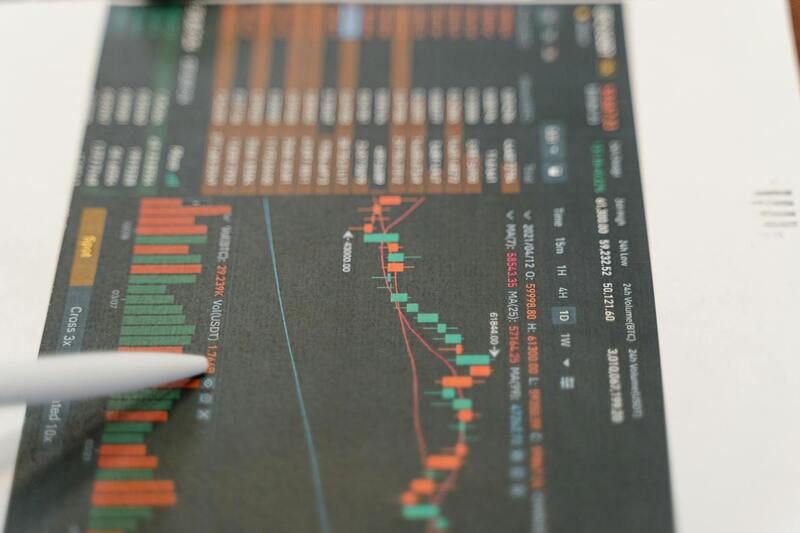
Integrating reliable trading APIs is fundamental to creating a seamless operational environment for your prop firm website. These APIs enable real-time execution of trades, synchronize data across platforms, and facilitate comprehensive performance tracking. When selecting trading API providers, prioritize those that offer low latency, high uptime, and extensive support for multiple trading instruments. This ensures traders experience minimal delays and consistent execution quality.
Furthermore, establishing advanced performance analytics tools within the platform allows traders to monitor their strategies with precision. Such tools can include customizable dashboards, detailed trade history, risk metrics, and profit-loss reports. Incorporating these features not only enhances transparency but also helps traders identify areas for improvement, ultimately fostering trust in your platform.
A well-designed analytics system should include real-time notifications and alerts related to trading activity and account status. This proactive approach keeps traders informed and enables quick response to market movements. Additionally, integrating historical data analysis empowers traders to analyze long-term performance trends, test strategies, and refine their trading approaches.
To optimize API integrations and analytics, adopt scalable and flexible backend architectures. Microservices architectures allow components—such as data collection, processing, and visualization—to operate independently, easing updates and reducing downtime. Regular API testing, security assessments, and data encryption are essential components to safeguard sensitive information and ensure uninterrupted service.

Creating Customizable and Transparent Reporting Systems
Transparency is a crucial element for establishing credibility within the prop trading community. To facilitate this, develop detailed reporting systems that can be customized based on individual trader preferences. These reports should encompass trade summaries, risk exposure, profit and loss statements, and compliance documentation. In addition to offering real-time reporting, provide historical data access that allows traders and administrators to conduct comprehensive reviews and audits. Incorporate export functionalities to enable exporting reports in various formats such as PDF, XLS, or CSV for external analysis or record-keeping. A user-friendly reporting interface simplifies navigation through complex data sets, making insights accessible to traders of varying experience levels. Interactive charts, filters, and drill-down capabilities enhance analytical depth without overwhelming users. Lastly, automate reporting processes where possible to ensure timely dissemination of critical information, such as daily trading summaries or weekly performance summaries. Automated alerts on specific metrics—like exceeding drawdown limits or hitting profit targets—help maintain accountability and facilitate proactive decision-making. Ensuring the robustness, accuracy, and clarity of these reporting tools strengthens trader confidence and solidifies your platform's reputation as a transparent and professional trading environment.
Implementing Secure and Compliant Trading Platforms
Developing a prop firm website that hosts a secure and reliable trading environment is foundational to fostering trust and ensuring operational stability. This involves the integration of advanced security protocols, rigorous data encryption, and continuous vulnerability assessments to safeguard sensitive client information and transaction data. Employing HTTPS protocols, two-factor authentication, and secure socket layer (SSL) certificates are essential measures to prevent unauthorized access and data breaches.
When selecting a trading platform, prioritize systems that support robust encryption standards and offer audit trails for all activities. These features not only enhance security but also aid in comprehensive monitoring and compliance verification. Regular software updates and patches must be scheduled to address emerging threats and vulnerabilities proactively.

In addition to technical safeguards, establishing clear security policies and user access controls ensures that only authorized personnel can perform certain actions. Role-based permissions help manage trader and administrator privileges, reducing the risk of insider threats. Additionally, comprehensive incident response plans should be in place to swiftly address any security breach or suspicious activity, minimizing potential damages.
Compliance with relevant industry standards for financial data protection, such as those outlined by the Financial Industry Regulatory Authority (FINRA) and other governing bodies, reinforces your platform’s credibility. Implementing automated compliance checks, transaction monitoring, and audit logs facilitates ongoing adherence to these standards and helps prepare for regulatory reviews.

Another critical aspect is the deployment of a resilient hosting infrastructure that guarantees high availability and scalability. Cloud-based solutions with distributed data centers offer redundancy and disaster recovery options, ensuring minimal downtime during unexpected failures. Load balancing mechanisms distribute user traffic efficiently to prevent server overloads, enhancing performance during peak trading hours.
Integrating anti-fraud mechanisms and real-time monitoring tools enables proactive detection of suspicious activities, unauthorized access, or unusual trading patterns. This combination of technological and procedural safeguards streamlines maintenance of a secure trading ecosystem, ultimately supporting sustainable growth and client satisfaction.
Technical Aspects and Platform Development
Building a robust and scalable infrastructure is fundamental to the success of a futures prop firm website. The choice of technology stack plays a pivotal role in ensuring reliable performance, security, and ease of maintenance. Modern web development frameworks, such as React, Angular, or Vue.js, facilitate creating dynamic and responsive interfaces that enhance user engagement. Backend technologies like Node.js, Python, or Java should be integrated with scalable database solutions such as PostgreSQL or MongoDB to handle large volumes of data efficiently.
Server architecture must support high availability and fault tolerance to prevent downtime during peak trading periods. Cloud services like Amazon Web Services (AWS), Google Cloud Platform, or Microsoft Azure provide flexible, distributed hosting environments with built-in redundancy and disaster recovery capabilities. Employing content delivery networks (CDNs) ensures rapid content loading across geographic locations, optimizing the user experience worldwide.

API integration is at the core of connecting trading platforms with real-time data feeds, order execution systems, and analytic tools. RESTful APIs, secured with OAuth or API keys, enable seamless, consistent communication between the website and external trading exchanges or liquidity providers. Automated testing and continuous integration/continuous deployment (CI/CD) pipelines streamline the development process, allowing for rapid updates and feature rollouts without disrupting user experience.
Security Protocols and Data Protection
Security is non-negotiable in financial services. Protecting client data and trading activities requires multiple layers of security protocols. Implement HTTPS protocols to encrypt data in transit, and employ multi-factor authentication (MFA) to bolster access controls. Identity and access management (IAM) systems restrict privileges based on user roles, minimizing insider threats and unauthorized access.
Incorporating advanced firewalls, intrusion detection systems (IDS), and intrusion prevention systems (IPS) help identify and neutralize threats before they impact operations. Regular vulnerability assessments and penetration testing are essential to uncover and remediate security weaknesses proactively. Data encryption at rest, coupled with secure backup solutions, safeguard sensitive information against data breaches and system failures.

Performance Monitoring and Optimization
Continuous performance monitoring ensures the trading platform remains responsive under high demand. Tools like New Relic, Datadog, or custom monitoring solutions track server load, transaction times, and error rates in real time. Analyzing these metrics enables quick troubleshooting and informed capacity planning.
Performance optimization also extends to front-end components. Caching strategies, code minification, and image optimization reduce load times and enhance user satisfaction. Implementing asynchronous data loading and websocket connections improves real-time data updates, which are critical for traders making split-second decisions.
Investing in a resilient hosting environment complemented by effective load balancing ensures your prop firm website can scale seamlessly, maintain uptime during market volatilities, and deliver a smooth user experience across devices and locations.
