
Understanding the Forex Brokerage Business Model
Launching a forex brokerage firm begins with a comprehensive understanding of its fundamental structure and operational mechanisms. A forex broker acts as an intermediary between retail traders and the global currency markets. Their role involves facilitating transactions, providing trading platforms, and offering customer support to retail clients interested in currency trading. The primary revenue streams for a forex brokerage include spreads—the difference between the bid and ask price—and commissions on trades, as well as possible additional income from premium services or account offerings.
At its core, a forex broker provides traders access to the foreign exchange market through sophisticated trading software and technological infrastructure. This setup enables clients to execute trades seamlessly, often with real-time data and analytical tools that enhance their trading experience. The broker’s profitability hinges on attracting a steady inflow of active traders who generate consistent trading volume, ensuring that the firm's revenue remains stable.
In establishing and expanding a forex brokerage, understanding the various models in the industry is essential. Some brokers operate on a market maker basis, where they take the other side of their clients’ trades, potentially profiting from clients’ losses. Others act as STP (Straight Through Processing) or ECN (Electronic Communication Network) brokers, transmitting client orders directly to liquidity providers, which can provide more transparent pricing and execution. These distinctions influence operational costs, risk exposure, and client trust.

Understanding this business model is crucial because it shapes every subsequent step, including infrastructure setup, regulatory compliance, marketing, and service development. A solid grasp of how the revenue is generated and how trades are processed lays the foundation for a successful and sustainable brokerage operation.
Core Components of the Business Model
- Client Accounts: Offering a variety of account types suited to different trader needs, from beginners to professional traders.
- Trading Platforms: Providing intuitive and reliable trading software—be it MetaTrader 4/5 or proprietary solutions—that integrally connects clients to the forex markets.
- Liquidity Options: Establishing relationships with liquidity providers to ensure competitive spreads and deep market access.
- Revenue Management: Structuring spreads and commissions to sustain profitability while remaining attractive to traders.
- Customer Support and Education: Enhancing trader retention through effective support services and educational resources.
By understanding these key elements, aspiring forex brokerage founders can begin developing a clear operational plan that aligns with their company vision and market demands. Next, focusing on compliance requirements ensures that the legal framework supporting the business is properly established, setting the stage for sustainable growth.
Understanding the Forex Brokerage Business Model
Establishing a solid understanding of the core components that drive a forex brokerage’s operations is essential for entrepreneurs aiming to enter the industry. The business model revolves around facilitating currency trades for clients while managing liquidity, ensuring efficient trade execution, and maintaining profitability through strategic revenue structures. This foundational knowledge guides subsequent steps from infrastructure development to client servicing, ensuring alignment with market dynamics and operational goals.
Core Revenue Streams and Client Interaction
At the heart of the brokerage business model are principal revenue streams that include spreads, commissions, swaps, and other service fees. Spreads— the difference between bid and ask prices— are often the primary source of income. Some brokers also charge commissions per trade, especially in models that emphasize transparent fee structures. Swaps, or rollover fees, are earned when traders hold positions overnight, contributing to revenue over longer trading periods.
Providing a diverse range of account types encourages participation from different trader segments. Beginners might prefer micro or demo accounts, while professional traders seek accounts with lower spreads and higher leverage options. Tailoring these offerings enhances client attraction and retention, laying a foundation for consistent revenue.
Technology and Trading Infrastructure
Reliable, user-friendly trading platforms are critical for a successful forex brokerage. The selection of software— whether popular options like MetaTrader 4/5 or custom-built solutions— impacts client experience and operational reliability. An excellent infrastructure ensures real-time execution, minimal latency, and advanced order management capabilities, which are vital for maintaining efficient trade processes and client satisfaction.
Liquidity Provision and Market Access
Establishing relationships with liquidity providers ensures that the brokerage can offer competitive spreads and access to deep markets. These providers pool large volumes of currency liquidity, enabling seamless trade execution even during high volatility periods. Effective liquidity management helps serve client requests promptly, avoid slippage, and minimize trading costs for clients, which enhances the broker's competitiveness.
Risk Management Strategies
Financial risk management involves implementing systems to monitor and control exposure stemming from client trades. Techniques include setting margin requirements, employing stop-loss mechanisms, and monitoring overall leverage levels. A robust risk management framework mitigates potential losses, preserves capital, and sustains operational stability, allowing the broker to navigate market fluctuations confidently.
Customer Engagement and Support
Providing comprehensive customer support accompanied by educational resources promotes trader confidence and fosters loyalty. Support channels spanning live chat, email, and phone service ensure rapid issue resolution. Educational initiatives, such as webinars, tutorials, and market analysis, help traders improve their skills, which in turn generates more trading activity and enhances the broker owner's revenue streams.
Operational Framework Summary
- Define revenue models—spreads, commissions, swaps.
- Develop or select trading platforms optimized for reliability and user experience.
- Build relationships with liquidity providers to ensure deep market access.
- Implement strict risk management protocols to protect capital and ensure stability.
- Create robust customer support channels paired with educational resources to enhance trader retention.
Each component plays a crucial role in shaping a sustainable, competitive forex brokerage. Careful planning and execution of these elements will lay a solid groundwork as the business progresses toward regulatory compliance and market entry.
Understanding the Forex Brokerage Business Model
Establishing a successful forex brokerage begins with a comprehensive grasp of how the business operates within the financial ecosystem. At its core, a forex broker acts as an intermediary between retail traders and the broader foreign exchange market, providing platforms and infrastructure for clients to execute trades on currency pairs and other financial instruments. The business model revolves around multiple revenue streams, including spreads—the difference between bid and ask prices—commissions, swaps for overnight positions, and sometimes markups on price feeds. Additionally, brokers may earn from value-added services such as premium analytical tools, educational resources, and account management features.
Operational efficiency depends on a well-structured technology framework that ensures client transactions are executed swiftly and accurately. This involves integrating robust trading platforms capable of handling high volumes of data with minimal latency, ensuring traders experience reliable and seamless order processing. Moreover, maintaining a resilient technological backbone is essential for risk mitigation, fraud prevention, and compliance with market standards. Deep market access is facilitated through strategic partnerships with liquidity providers, enabling competitive pricing and the ability to offer clients a diverse range of trading options.

The business model also necessitates a focus on risk management protocols. Utilizing tools such as margin controls, real-time account monitoring, and automated stop-loss mechanisms helps protect client funds and operational capital. Institutional frameworks must be implemented to oversee leverage levels, monitor trading behaviors, and prevent abuse or irregular activity. This not only improves market stability but also enhances the broker's credibility in a competitive landscape.
Customer engagement forms a critical aspect of ongoing success. Offering comprehensive support channels—including live chat, email, and telephone services—ensures swift problem resolution and fosters trust. Coupled with educational initiatives like webinars, tutorials, and market analyses, these resources help traders make informed decisions, increase trading volume, and develop loyalty. A well-rounded approach combining operational robustness and customer-centric services creates a sustainable environment conducive to growth.
Strategic Partnership and Infrastructure Development
Building strategic alliances with liquidity providers is fundamental for accessing deep, transparent markets. These partnerships typically involve the integration of APIs, which allow real-time data exchange and order execution, ensuring pricing competitiveness and minimal slippage. Selecting a reliable technology infrastructure is equally vital. Brokers often choose customizable trading platforms compatible with multiple devices, ensuring accessibility and user satisfaction. Server hosting, cybersecurity measures, and redundant data systems further augment reliability and operational continuity.
Alongside technological considerations, establishing a client onboarding process involves setting up secure account verification protocols. This ensures compliance with operational standards and enhances security, reducing the risk of fraudulent activity. Data protection policies aligned with industry best practices safeguard sensitive customer information, fostering confidence and long-term engagement.

Ultimately, understanding these core elements and integrating them systematically sets a strong foundation for launching and sustaining a competitive forex brokerage. Careful planning at this stage facilitates smoother regulatory navigation, technological implementation, and client relationship management, all critical for long-term success in the dynamic forex market environment.
Understanding the Forex Brokerage Business Model
The core of a successful forex brokerage hinges on a well-defined business model that balances client service, technological robustness, and operational efficiency. At its heart, the business operates as an intermediary, linking individual traders or institutional clients with the global currency markets. Profitability is primarily derived from the bid-ask spread, commissions, or a combination of both. Therefore, structuring pricing models to be competitive yet sustainable is essential for attracting and retaining clientele.
To optimize operations, a comprehensive understanding of the flow of transactions is vital. This includes managing real-time price feeds, executing trades promptly, and ensuring transparency throughout the process. Many brokers adopt a market-making or an agency model, each presenting unique advantages. Market makers provide liquidity by quoting both buy and sell prices, earning spreads, whereas agency brokers direct orders directly to liquidity pools, earning commissions. Selecting an appropriate model influences technology choices, risk management strategies, and client engagement practices.
Integral to this structure is the client account lifecycle management, encompassing registration, verification, trading, and withdrawals. Efficient processes reduce friction for clients and strengthen overall satisfaction. For instance, deploying automated verification tools accelerates onboarding, reduces administrative burdens, and enhances operational throughput. Combining these elements underpins a resilient business framework, capable of adapting to evolving market conditions and technological innovations.

Legal and Regulatory Requirements
Establishing a forex brokerage demands adherence to a comprehensive set of management and regulatory standards. These standards often encompass licensing, financial reporting, and operational controls designed to safeguard client interests and ensure market integrity. Licensing procedures typically involve detailed disclosures about business ownership, capital adequacy, and operational procedures, along with ongoing reporting obligations. Implementing these protocols correctly not only fulfills regulatory expectations but also fosters client trust and market reputation.
Operational policies should include anti-money laundering (AML) procedures, know your customer (KYC) protocols, and data protection policies. Incorporating advanced verification tools and secure data handling processes are vital components in creating a compliant environment. Furthermore, establishing clear complaint resolution procedures and maintaining transparency in fee structures reinforce a trustworthy image among clients and partners alike.
Engaging with industry bodies or regulatory associations can provide access to guidelines, best practices, and lobbying support. Regular internal audits and compliance training for staff further tighten adherence to standards, embedding a culture of integrity and accountability throughout the organization.

Developing a Business Plan and Market Analysis
Creating an effective business plan begins with thorough market analysis. Understanding target demographics, competitive landscape, and customer preferences guides strategic decisions. Identifying niche segments within the forex market, such as retail traders, institutional clients, or proprietary trading groups, enables tailored product offerings and marketing approaches.
The business plan should detail operational costs, revenue projections, marketing strategies, and technological investments. Including a risk management component ensures preparedness for market volatility and operational challenges. Financial forecasts and contingency plans are crucial for securing takeoff capital and scaling sustainably. Regular review cycles maintain alignment with market developments and emerging opportunities.
Market analysis informs not just initial launch strategies but ongoing adaptation. Monitoring industry trends, technological innovations, and regulatory shifts allows the brokerage to stay competitive and compliant. Developing these insights into actionable strategies positions the firm for steady growth and a resilient market presence.
Partnering with Liquidity Providers and Set Up Trading Accounts
Establishing robust connections with liquidity providers is a pivotal step in the formation of a forex brokerage firm. Liquidity providers supply the necessary market depth, ensuring that your clients experience efficient execution and minimal slippage during trading activities. Selecting reputable liquidity partners involves a comprehensive assessment of their financial stability, the breadth of their product offerings, and their ability to deliver competitive spreads and execution speeds.
Negotiating favorable terms with liquidity providers requires a clear understanding of your target market volume and trading activity frequency. The process often involves establishing Direct Market Access (DMA) channels, which facilitate seamless order matching and execution. Once partnerships are secured, the next step involves setting up trading accounts tailored to your operational needs, commonly through either white label solutions or proprietary trading platforms integrated with your liquidity streams.
Integrating trading infrastructure entails configuring servers, trading algorithms, and order management systems to ensure reliability and high performance. Prioritize infrastructure capable of handling high transaction volumes with low latency, as this directly impacts client satisfaction. This setup must also include secure data handling and encryption protocols for protecting sensitive client information during transactions.

The choice of technology providers for trading platforms can influence the overall user experience significantly. Consider platforms that offer customizable interfaces, comprehensive compliance tools, and robust back-office management features. Compatibility with mobile devices and multiple payment gateway integrations further enhance client accessibility and convenience. Additionally, deploying advanced analytics and reporting tools allows for better monitoring of trading activities, risk exposure, and client engagement metrics, which are crucial for strategic decision-making.
Overall, a well-structured setup for liquidity provision and trading account management lays a foundational framework that supports scalable growth, operational efficiency, and client trust. Continuous evaluation of liquidity solutions, technological upgrades, and infrastructure security strengthens your brokerage's market position and operational resilience.
Partnering with Liquidity Providers and Setting Up Trading Accounts
Establishing relationships with reputable liquidity providers is a fundamental step in creating a seamless trading environment for clients. These partnerships ensure that your brokerage has access to competitive bid-ask spreads, deep liquidity pools, and reliable price feeds, all of which contribute to efficient and market-responsive trading operations. When selecting liquidity partners, it is essential to evaluate their reputation, financial strength, technological integration capabilities, and responsiveness to market changes.
A thorough due diligence process should be undertaken to verify the provider’s adherence to industry standards and their ability to support the scale of your envisioned operations. This involves assessing their trading infrastructure, data security measures, credit terms, and the variety of currency pairs and instruments available.
Once a liquidity provider is in place, the next step involves setting up trading accounts tailored to your brokerage’s operational structure. This includes configuring various account types to cater to different client segments, such as retail traders, professional traders, and institutional clients. Each account setup must incorporate bespoke risk parameters, margin requirements, and leverage options, aligned with your strategic goals.
The integration process between your trading platform and liquidity infrastructure requires precision. It involves establishing secure APIs (Application Programming Interfaces) that facilitate real-time data exchange, order processing, and transaction reconciliation. Testing this connectivity thoroughly helps prevent issues during live deployment and ensures a hassle-free trading experience for your clients.

Technical Considerations for Liquidity and Trading Accounts
- API Compatibility and Performance: Ensuring that APIs enable real-time data transmission and support high transaction volumes without latency issues.
- Server Infrastructure: Hosting trading servers close to liquidity providers’ data centers to minimize delays.
- Back-Office Synchronization: Maintaining synchronized records of trades, client balances, and margin levels to prevent discrepancies and ensure timely updates.
- Risk Controls: Implementing automated risk management tools within trading accounts, such as stop-loss and take-profit configurations, to mitigate potential losses and protect client interests.
- Client Segmentation: Setting up different account tiers with varying leverage, spreads, and risk parameters to tailor offerings according to client profiles.

Monitoring and Continuous Optimization
Post-setup, consistent monitoring of liquidity streams and trading account activity is vital. Advanced analytics tools enable you to track trading volumes, client engagement, and risk exposure. Regular assessments facilitate timely adjustments to account configurations, spreads, and leverage levels, thereby maintaining competitive advantages and operational stability. Trade execution quality, system uptime, and client feedback should be continuously analyzed to identify areas for enhancement. Additionally, establishing procedures for swift resolution of technical issues, onboarding new liquidity providers, and expanding instrument offerings support sustained growth and market adaptability.
Securing Capital and Choosing Technology Infrastructure
Establishing a robust financial foundation is crucial for launching and sustaining a dependable forex brokerage firm. The initial step involves securing sufficient capital, which will support operational expenses, technology investments, regulatory compliance, and liquidity provisioning. This can be achieved through internal funding, strategic investors, or partnerships with financial institutions that understand the intricacies of the foreign exchange market.
Once capital is secured, selecting the appropriate technology infrastructure becomes paramount. The backbone of a forex brokerage comprises trading platforms, backend management systems, and client interface solutions. Many operators opt for white-label solutions from reputable software providers that offer comprehensive packages including trading platforms, CRM systems, risk management tools, and compliance modules. These platforms should support integration with various liquidity providers, facilitate real-time data processing, and offer customization to tailor the trading environment to an array of client needs.
The infrastructure must prioritize security, scalability, and reliability. Cloud-based solutions, for example, provide flexibility for resource management and disaster recovery options. High-frequency trading capabilities require low latency servers and distributed data centers. Meanwhile, integrating advanced encryption protocols safeguards sensitive client data and transaction information.
Furthermore, implementing a comprehensive back-office system is essential for effective trade processing, accounting, and reporting functionalities. These systems must synchronize flawlessly with trading platforms to maintain real-time accuracy in client account data, transaction histories, and margin management.
Partnering with Liquidity Providers and Set Up Trading Accounts
To offer competitive trading conditions and diverse instrument coverage, establishing strong relationships with multiple liquidity providers is critical. These relationships enable access to consolidated liquidity pools, reducing spreads and minimizing slippage during high-volume trading periods.
Integration with liquidity providers involves configuring secure FIX protocols or API connections that ensure reliable execution and data flow. It’s vital to perform rigorous testing to verify latency levels and data accuracy, thereby maintaining high standards of trade execution.
Simultaneously, designing a streamlined process for setting up trading accounts allows for efficient onboarding of clients. This process includes verifying identification, establishing risk profiles, and configuring initial leverage settings inline with offered trading conditions. Automation tools can facilitate rapid account creation and risk assessment, contributing to a positive client experience from the outset.

Ensuring all integrations and account settings comply with operational standards is critical for maintaining smooth activities. Regular audits and performance monitoring of liquidity relationships help optimize trading conditions and support ongoing business growth.
Effective Strategies for Scaling and Sustaining a Forex Brokerage
After establishing a solid foundation for your forex brokerage, focusing on growth and operational excellence becomes paramount. In this phase, implementing data-driven decision-making, nurturing client relationships, and expanding technological capabilities are essential steps to ensure long-term success.
Leveraging Data Analytics for Business Optimization
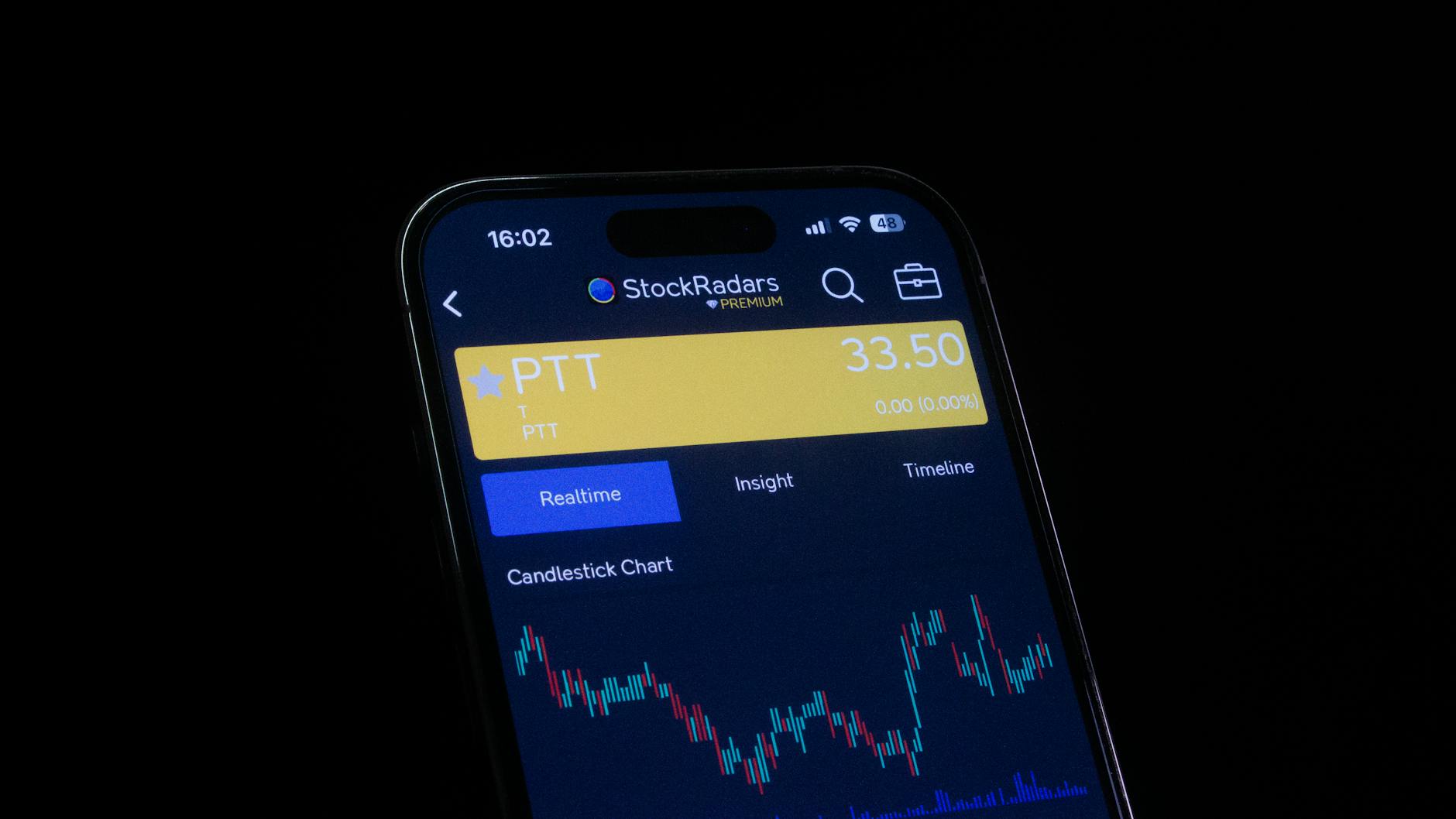
Utilizing advanced data analytics tools allows brokers to gain valuable insights into trading patterns, client behavior, and market trends. These insights facilitate tailored marketing efforts, personalized client support, and optimized risk management. Regular analysis of transactional data helps identify high-value clients, monitor trading volumes, and detect unusual activities that could impact business operations.
Expanding Technological Capabilities
To stay competitive, integrating cutting-edge trading technology and improving platform features are crucial. Employing AI-driven trading algorithms can enhance execution efficiency and provide clients with advanced trading tools. Upgrading your infrastructure to support mobile trading and multi-asset classes also broadens your market reach, attracting a diversified client base.
- Deploy real-time analytics dashboards for continuous monitoring
- Implement AI and machine learning tools for predictive analytics
- Expand platform support to include mobile and tablet interfaces
- Offer additional financial instruments, such as CFDs and commodities
Enhancing Client Relationship Management
Building trust and offering value-added services are core to client retention and acquisition. Implementing comprehensive Customer Relationship Management (CRM) systems enables personalized communication, targeted marketing, and efficient support. Regular webinars, educational content, and VIP programs foster loyalty and position your brokerage as a market authority.
Developing Strategic Partnerships and Expanding Market Presence
Forming alliances with fintech firms, payment providers, and financial institutions can open new channels for client acquisition and service delivery. Attending industry conferences and participating in forex expos increases visibility, while engaging with trading communities boosts your brand's credibility. Expanding into new geographic markets requires tailored marketing strategies respecting regional preferences and language differences.
Implementing Robust Security Measures
As the brokerage grows, safeguarding client data and trading infrastructure becomes increasingly vital. Regular cybersecurity audits, advanced encryption protocols, and multi-factor authentication protect against cyber threats. Transparent communication regarding security practices builds client confidence, essential for long-term relationships and business sustainability.
Continuous Education and Staff Development
Investing in staff training ensures your team remains knowledgeable about market developments, technical updates, and customer care standards. Offering ongoing education through seminars and certifications helps maintain high service quality and operational competence.
Measuring Performance and Adjusting Strategies
Establish clear Key Performance Indicators (KPIs) for trading activity, client satisfaction, and financial health. Regular review of these metrics enables proactive adjustments, ensuring your brokerage adapts to market dynamics and client expectations. Leveraging feedback mechanisms assists in identifying area improvements and fostering a client-centric approach.
Scaling a forex brokerage involves integrating innovative technologies, refining operational procedures, and expanding market presence while maintaining a focus on quality and service excellence. Strategic planning, combined with data analytics and operational resilience, positions your brokerage for sustained growth in a competitive environment.
