
Understanding Futures Prop Trading
Futures proprietary trading, commonly known as futures prop trading, involves financial firms or trading operations that use their own capital to execute trades in the futures markets. These firms provide skilled traders with the opportunity to trade using the firm's resources, sharing a portion of the profits generated from successful trades. Unlike traditional trading where individuals use their personal funds, prop trading emphasizes employing large-scale capital allocations to capitalize on market opportunities with the aim of maximizing returns.
In the futures trading industry, prop trading serves as a bridge between institutional trading and individual investor activities. It offers a controlled environment where talented traders can leverage significant buying and selling power, often utilizing sophisticated trading software, analysis tools, and risk management systems provided by the firm. This setup enables traders to access larger markets and quantities than they could with personal funds alone, opening up more lucrative opportunities in commodities, indices, currencies, and other derivative instruments.
Futures prop trading differs from personal trading mainly in the source of capital and the operational framework. While individual traders risk their own money, prop traders operate under the firm's capital, which allows for improved leverage and reduced personal financial exposure. The firm typically establishes specific trading rules, risk parameters, and profit-sharing arrangements to ensure a balanced partnership between the trader and the enterprise.

Engaging in futures prop trading requires a comprehensive understanding of both the financial markets involved and the operational dynamics of a prop trading environment. It involves risk management strategies, technical analysis, and disciplined trading practices. The growth of digital trading platforms and analytical software has significantly enhanced the ability of prop traders to execute sophisticated trades and develop strategies that can adapt to rapid market shifts in futures markets.
Benefits of Starting Prop Trading in Futures
Entering the realm of futures prop trading offers several compelling advantages for traders aiming to elevate their trading career. First, access to substantial capital allows for increased position sizes, which can lead to higher profit potential. Additionally, traders benefit from the use of advanced trading platforms and tools that are often not available to retail traders.
Moreover, working within a prop trading environment provides a structured setting with risk management protocols and professional mentorship, helping traders refine their skills and strategies. This environment fosters discipline and accountability, crucial elements for long-term success in trading.
Requirements to Join a Futures Prop Trading Firm
Officially joining a futures prop trading firm typically involves demonstrating a track record of successful trading, relevant skill sets, and a solid understanding of futures markets. Most firms require candidates to pass a series of assessments, which may include trading simulations or evaluation of previous trading performance. A strong grasp of technical analysis, risk management, and disciplined trading behavior are vital.
Some firms also emphasize personality traits like resilience, adaptability, and the ability to work within predefined risk limits. Educational qualifications vary, but a background in finance, economics, or related fields can be advantageous. Developing a personal trading strategy that aligns with the firm's risk appetite is often a prerequisite for acceptance.
Overall, aspiring prop traders should focus on building their trading resumes, honing their technical and analytical skills, and gaining sufficient experience before applying to a prop trading firm. Practicing on demo accounts, refining trading strategies, and understanding market behavior are essential preparations in this process.
Understanding Futures Prop Trading
Entering the realm of futures prop trading necessitates a comprehensive grasp of the market dynamics, trading methodologies, and risk management principles. Futures trading involves contracts that obligate traders to buy or sell an asset at a predetermined price at a specified future date. It is a sophisticated financial activity that requires methodical analysis, strategic planning, and disciplined execution. Prop trading firms specializing in futures often provide traders with access to advanced trading platforms, real-time data feeds, and professional guidance, creating an environment conducive to learning and growth.
Effective futures prop traders develop a keen understanding of technical indicators, chart patterns, and market sentiment analysis. They employ risk management techniques like setting stop-loss and take-profit orders to protect capital and lock in gains. Leveraging leverage responsibly plays a significant role, enabling traders to maximize returns while controlling exposure to adverse market movements. Profitable trading in futures also involves a deep understanding of macroeconomic indicators, geopolitical developments, and seasonal trends that influence price fluctuations.
Most successful futures traders adhere to sound trading plans that specify entry and exit criteria, risk limits, and profit targets. Continual learning through market analysis, reviewing trading journal records, and performance assessment are integral to improving trading efficacy. Traders often utilize simulation accounts for practicing new strategies without risking real capital, enabling them to refine their skills in a risk-free environment.
Moreover, persevering in futures prop trading requires emotional resilience and adaptability. Market conditions are inherently unpredictable, and traders must stay composed under pressure, adjusting their strategies in response to evolving scenarios. Developing a disciplined routine for market analysis, trade execution, and post-trade review compounds the chances of sustained profitability in futures trading.
In conclusion, mastering futures prop trading involves a blend of technical expertise, strategic planning, and disciplined execution. Building a strong foundational knowledge, practicing diligently, and leveraging professional tools and resources significantly enhance the likelihood of establishing a successful trading career within proprietary firms.
Understanding Futures Prop Trading
Engaging in futures prop trading involves becoming an active participant in the markets through dedicated proprietary trading firms. Unlike retail trading, where individual investors manage their own capital, futures prop trading allows traders to leverage the resources, research, and capital of professional firms. This setup provides an environment optimized for strategic execution, risk management, and performance tracking, enabling traders to focus solely on developing and refining their trading skills.
Futures prop trading centers around the buying and selling of contracts that represent the agreement to purchase or sell an asset at a predetermined price on a future date. This approach requires a deep understanding of market mechanics, price movements, and economic indicators that influence commodity, financial, or index futures. Traders employ various strategies, including technical analysis, fundamental research, and quantitative models, to identify profitable opportunities while adhering to strict risk parameters.
Key to success in futures prop trading is the deployment of disciplined risk management practices such as setting stop-loss orders, defining position sizes, and maintaining strict adherence to trading plans. Profitable traders are those who continuously analyze market conditions, adjust their strategies as markets evolve, and maintain emotional control under periods of high volatility. Prop firms typically provide traders with sophisticated platforms and tools designed to streamline decision-making and execution, further enhancing trading efficiency.
Trade Execution and Market Analysis Tools
Modern futures trading environments are equipped with advanced charting software, real-time news feeds, and algorithmic trading options. These tools help traders recognize patterns, confirm entry points, and automate parts of their trading routines, ultimately reducing latency and human error. Utilizing these resources consistently can lead to improved accuracy in trade placement and managing open positions, which is crucial given the fast-paced nature of futures markets.
Moreover, traders benefit from access to historical data and simulation environments that allow for strategy testing without risking capital. This practice helps to refine trading techniques and develop confidence in the chosen approach. Maintaining detailed trading journals and performance metrics supports ongoing learning and adjustment, which are vital for long-term growth and success.
Essential Traits for Futures Prop Traders
- Strategic Discipline: Following a well-structured trading plan with clear entry and exit criteria.
- Risk Management: Adequately managing leverage, position sizes, and stop-loss orders to minimize potential losses.
- Market Resilience: Staying composed under volatile market conditions and avoiding emotional decision-making.
- Continuous Learning: Keeping abreast of economic developments, market trends, and new strategies.
- Technological Proficiency: Effective utilization of advanced trading platforms and analytical tools.
Developing these traits requires dedicated effort, disciplined practice, and a focus on incremental improvement. Prospective traders should also cultivate patience and resilience, as mastering futures prop trading is a progressive journey shaped by experience and ongoing education.

Understanding Futures Prop Trading
Engaging in futures proprietary trading involves participating directly in the futures markets using the resources and capital provided by a prop trading firm. Unlike individual trading, where traders risk their personal funds, futures prop trading allows traders to leverage the firm's capital to execute larger positions, thereby amplifying potential gains while managing risk more effectively. This structure offers a unique environment where traders can focus on honing their strategies without the pressure of personal financial exposure.
In futures prop trading, firms establish specific trading metrics and criteria that traders must meet, focusing on consistency, risk management, and strategic execution. These firms typically provide access to advanced trading platforms, real-time data feeds, and analytical tools designed to optimize trading performance. The collaborative environment often fosters continuous learning, mentorship, and shared insights, all aimed at refining trading techniques and understanding market behaviors more deeply.
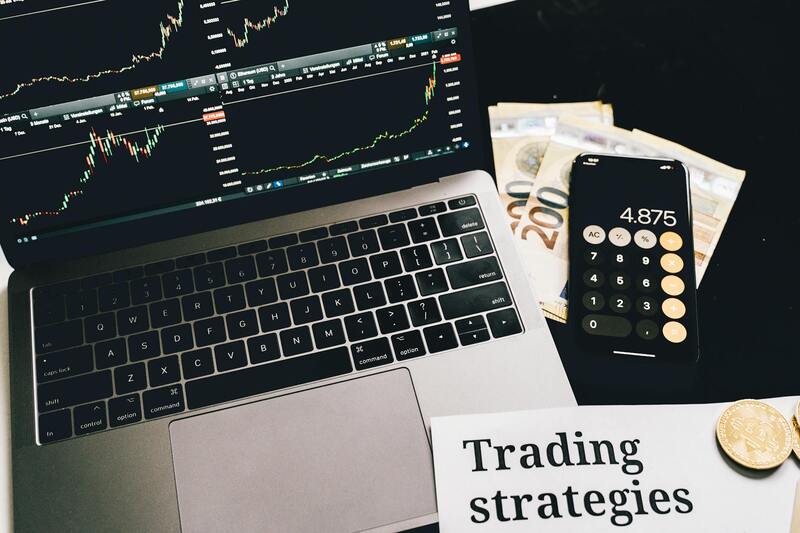
Futures trading offers the possibility to capitalize on market volatility and trends, providing opportunities across diverse asset classes such as commodities, indices, currencies, and interest rates. Successful traders often develop tailored strategies based on technical analysis, fundamental insights, or quantitative models, leveraging the extensive resources provided by their firms to execute systematic trades. The ability to perform back-testing, simulation, and receive real-time feedback makes futures prop trading a dynamic and growth-oriented career path.
Benefits of Starting Prop Trading in Futures
Participating in futures prop trading can accelerate skill development through exposure to real market conditions, with the added advantage of access to substantial capital. It enables traders to undertake more significant trades than their personal funds would allow, enhancing potential profits when strategies are well-executed. Additionally, trading within a professional environment offers structured mentorship and continuous educational resources essential for refining trading techniques.
Furthermore, futures prop trading promotes disciplined trading behavior by imposing performance benchmarks and risk controls. Traders become adept at managing leverage, setting precise stop-loss orders, and adapting strategies based on market feedback. The environment encourages analytical thinking, data-driven decision-making, and strategic patience, all critical for sustained success in fast-paced markets. Over time, this rigorous approach to trading helps build resilience, confidence, and a comprehensive understanding of market dynamics.

Requirements to Join a Futures Prop Trading Firm
Joining a futures prop trading firm typically involves a series of assessments designed to verify a trader's competence, discipline, and understanding of the markets. Candidates are often required to demonstrate a proven track record of trading, whether through trading simulations, proven account history, or performance metrics in comparable environments. Many firms favor applicants with a solid background in technical analysis, risk management, and market research.
In addition to a demonstrated skill set, prospective traders usually need to pass the firm's evaluation process, which assesses their trading discipline, consistency, and ability to adhere to trading plans. This may include simulated trading tests, psychological evaluations, and interviews designed to gauge market intuition and decision-making under pressure. Firms also expect traders to be familiar with trading platforms, analytical tools, and fundamental market drivers relevant to futures markets.
Training and onboarding programs are often part of the onboarding process, providing new traders with the specific rules, risk parameters, and operational procedures of the firm. Successful integration into a futures prop trading environment depends on a trader’s ability to adapt, learn, and operate within the firm's established frameworks and risk controls.
Understanding Futures Prop Trading
Futures proprietary trading involves traders executing transactions with a firm's capital rather than personal funds, aiming to generate profits through strategic market analysis and disciplined execution. This model allows traders access to substantial leverage, enabling them to amplify potential gains while operating within predefined risk management frameworks. Unlike retail trading, futures prop trading emphasizes skill, disciplined risk control, and the ability to adapt swiftly to changing market conditions.
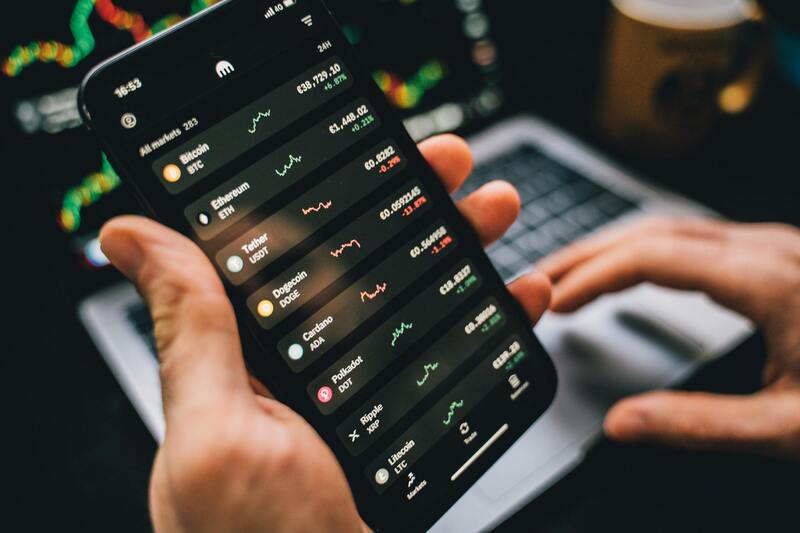
For those interested in beginning, understanding the foundational principles of futures markets — including contract specifications, margin requirements, and market drivers — is essential. Futures contracts are standardized agreements to buy or sell an asset at a predetermined price at a specified future date. Traders involved in prop trading often specialize in particular commodities or financial instruments, utilizing detailed technical and fundamental analysis to develop their strategies. Mastery of these components enhances trading performance and helps mitigate risk in a highly dynamic environment.
Benefits of Starting Prop Trading in Futures
- Access to Capital: Traders leverage the firm's resources, increasing their trading capacity beyond personal capital limits.
- Structured Risk Management: Firms impose risk controls and trading limits, fostering disciplined trading behaviors.
- Training and Support: Many firms provide comprehensive training, mentorship, and trading tools to facilitate growth and skills development.
- Profit Sharing Opportunities: Traders typically earn a share of the profits they generate, incentivizing consistent performance.
- Market Exposure and Diversity: Traders can diversify across various futures markets, including commodities, indices, and currencies, broadening their trading experience.
Requirements to Join a Futures Prop Trading Firm
Gaining entry into a futures prop trading environment involves demonstrating a combination of skill, discipline, and knowledge. Most firms require applicants to provide trading histories, performance metrics, or simulated trading results that indicate a high level of consistency and risk awareness. Candidates should possess a solid understanding of technical analysis, chart patterns, and fundamental data impacting futures markets.
Additionally, applicants must successfully pass various evaluations, including online testing, simulated trading assignments, and interviews that assess psychological resilience and decision-making under pressure. Familiarity with industry-standard trading platforms and analytical tools is often necessary, along with a review of trading plans, risk parameters, and market research methodologies. Training programs typically follow initial assessments, during which new traders learn the firm's operational protocols, risk management strategies, and compliance standards.
Choosing a Futures Prop Trading Firm
Selecting the right firm is crucial for long-term success. Important factors include the firm's reputation, the transparency of their fee structures, the quality of trader support, and the flexibility of their evaluation criteria. Traders should seek firms that offer clear guidelines, ongoing education, and a robust trading infrastructure that supports various strategies and markets.
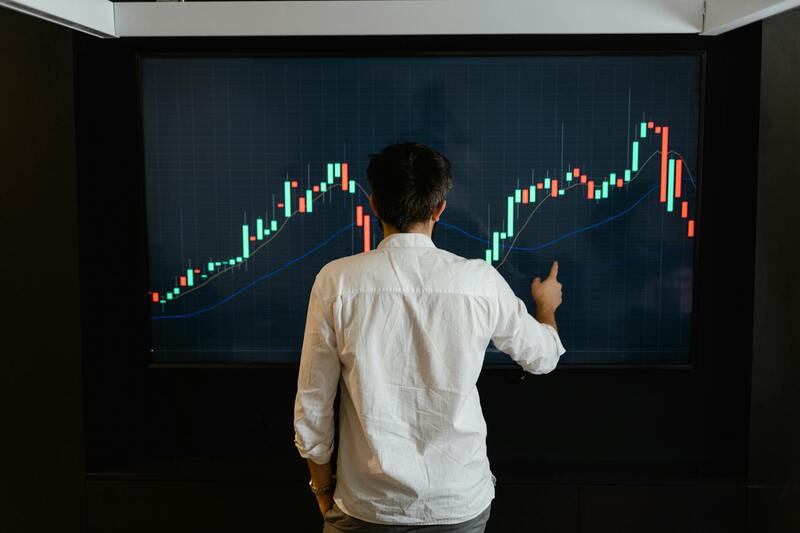
Evaluating these elements thoroughly ensures that the partnership aligns with the trader’s goals and trading style, setting a foundation for consistent growth. Additionally, understanding the firm’s profit-sharing models, payout schedules, and support services will help traders make backed decisions that foster longevity and profitability in their futures trading careers.
Opening a Futures Prop Firm Account
Once you've selected the appropriate prop trading firm that aligns with your trading goals and style, the next step is to establish an account specifically for futures trading. This process involves several key steps designed to ensure a smooth onboarding and compliance with the firm's operational standards.
- Application Submission: Prospective traders are typically required to complete an online application form through the firm’s official portal. This form includes personal information, trading experience, financial background, and trading preferences. Providing accurate and comprehensive data facilitates a smoother vetting process and helps the firm assess your suitability for futures trading.
- Verification Procedures: After submitting your application, the firm conducts verification checks. This involves confirming your identity through government-issued IDs and verifying your financial details via documentation such as bank statements or trading histories. These steps are crucial for establishing the trader’s legitimacy and capacity to trade in futures markets.
- Account Funding: Funding your futures trading account is the subsequent step. Firms often offer multiple funding options, including wire transfers, electronic payments, or transfers from existing trading accounts. It's important to understand the minimum deposit requirements and any associated fees, as well as the firm’s policies on profit withdrawals and account funding limits.
- Platform and Tool Setup: Once your account is funded, your next task is to familiarize yourself with the trading platform provided by the firm. Most firms employ industry-standard software that offers advanced analytics, charting tools, and order execution capabilities. Traders should spend time in demo environments to ensure proficiency before engaging in live trading.
- Training and Onboarding: Many firms offer onboarding programs that include educational sessions, risk management workshops, and strategy discussions. Participating actively in these programs enhances your understanding of firm protocols, risk controls, and compliance standards. It also serves as an opportunity to clarify any questions regarding trading rules and profit sharing arrangements.

Engaging thoroughly with each step not only prepares traders for effective market participation but also helps establish a solid foundation for sustainable trading performance. Maintaining open communication with the firm during this phase can resolve potential issues swiftly, promoting a positive trading environment and long-term growth opportunities.
Understanding Futures Prop Trading
Futures proprietary trading (prop trading) involves traders using a firm's capital to buy and sell futures contracts with the goal of generating profits. Unlike retail trading, where individuals trade their own funds, prop traders operate with the firm's resources, which can provide greater leverage, access to sophisticated trading tools, and a structured environment dedicated to active market participation.
Engagement in futures prop trading requires mastering diverse strategies, including technical analysis, market sentiment evaluation, and disciplined risk management. Traders are expected to adhere to specific trading protocols established by the firm, which often include limits on position sizes, daily loss thresholds, and reportings. Success depends on the ability to consistently apply proven trading strategies within these parameters, thereby maximizing profitability while minimizing risk exposure.
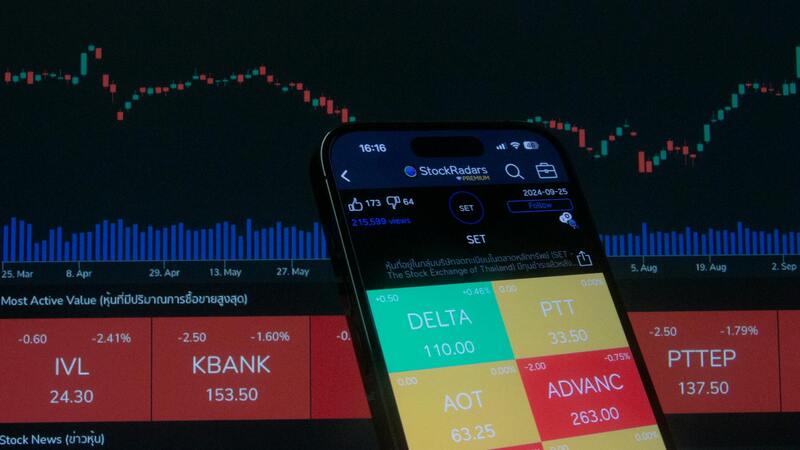
Entering the futures prop trading arena starts with understanding these operational frameworks, which are designed to create a high-performance trading ecosystem. An effective approach entails continuous learning, disciplined trading practices, and leveraging the support systems provided by the firm, including analytics, mentorship, and risk management tools.
Benefits of Starting Prop Trading in Futures
Engaging in futures prop trading offers several distinct advantages. Increased capital access allows traders to take larger positions, amplifying potential profits. The environment fosters rapid skill development through exposure to diverse market conditions and dedicated training resources. Additionally, the performance-based compensation structure motivates traders to refine their strategies and execute consistently.
Furthermore, the inherent liquidity of futures markets ensures opportunities for high-frequency trading and diversification across asset classes like commodities, currencies, and indices. Professional platforms equipped with advanced charting and analytics facilitate informed decision-making, essential for thriving in volatile markets.
Requirements to Join a Futures Prop Trading Firm
Prospective traders should possess a robust understanding of the futures markets, including an ability to analyze price movements and manage risk effectively. Most firms look for individuals with a degree of trading experience, though some offer training programs for newcomers with strong analytical skills and a passion for markets. Demonstrating consistency in simulated trading environments or prior trading records can significantly strengthen an application.
Many firms also evaluate psychological resilience, discipline, and a commitment to adhering to strict trading rules. A comprehensive grasp of risk controls and a capacity for staying calm during market turbulence are critical qualities that contribute to long-term success in a prop trading environment.
Choosing a Futures Prop Trading Firm
Selecting the right firm requires careful consideration of several factors. Compliance and transparency are paramount, ensuring the firm adheres to established industry standards. Review the firm’s trading rules, profit sharing arrangements, and the support services offered, such as educational programs and technical support.
Market reputation and trader feedback can provide insights into the firm’s operational integrity and overall trader satisfaction. A firm with a clear, reasonable fee structure, alongside opportunities for scalable funding as performance improves, can set the foundation for sustained growth and profitability.
Opening a Futures Prop Firm Account
The account setup process begins with submitting detailed personal and financial information to verify identity and ensure compliance with regulatory standards. Traders typically need to demonstrate their trading proficiency through testing or simulated trading, which helps assess their readiness to handle live market fluctuations.
Once approved, traders fund their accounts according to the firm's minimum deposit requirements. This initial capital often acts as a performance benchmark and can be augmented through the firm's scaling programs. Familiarity with the trading platform is crucial—most firms provide training modules and demo environments for this purpose.
Trade verification, risk management protocols, and profit-sharing arrangements are formalized during this process, ensuring traders understand the operational framework before engaging in live trading. Maintaining clear communication with firm representatives throughout this phase can address potential issues early, facilitating a smoother onboarding experience.
Starting Your Prop Trading Journey
Once the account is active, traders should initially focus on developing a disciplined routine. This involves defining a trading plan, setting risk parameters, and consistently evaluating performance. Utilizing the analytical tools provided by the firm, traders analyze markets, identify entry and exit points, and monitor their positions without undue emotional interference.
Participating in educational sessions and strategy discussions further enhances trading competence. Maintaining a detailed trading journal helps track progress, learn from mistakes, and refine strategies over time. Incremental scaling of trading size, as confidence and proficiency grow, allows for sustainable development within the prop trading framework.
Open communication with firm support teams and mentors can provide valuable feedback and mentorship, accelerating skill acquisition. Strict adherence to risk management protocols and continuous education are key drivers of long-term success in futures prop trading.
Establishing Effective Risk Management Strategies in Futures Prop Trading
Implementing robust risk management is essential for long-term success in futures prop trading. Traders must develop comprehensive risk protocols that safeguard their capital against unpredictable market movements while maximizing profit potential. This involves setting clear risk parameters for each trade, such as stop-loss and take-profit levels, to control potential losses and secure gains. Proper position sizing ensures that no single trade can jeopardize overall account stability, promoting disciplined trading practices.
Furthermore, diversifying trading approaches and instruments can reduce vulnerability to market-specific risks. Conducting thorough pre-trade analysis and continuously monitoring open positions helps maintain an awareness of market conditions, allowing timely adjustments. Maintaining a detailed trading journal serves as a critical tool for evaluating risk management effectiveness over time, highlighting areas for improvement and reinforcing disciplined behavior.
Utilizing Advanced Analytical Tools and Technology
Successful futures traders leverage sophisticated analytical tools and trading software to gain a competitive edge. These tools provide critical insights such as real-time market data, technical indicators, and trend analysis, enabling precise decision-making. Automated trading algorithms and alerts streamline the identification of optimal entry and exit points, reducing reaction time and emotional bias.
Investment in reliable trading infrastructure, including high-speed internet connections and powerful hardware, supports seamless execution of trades. Many prop trading firms offer proprietary platforms equipped with customizable features suited for the individual trading style. Staying updated on technological advancements allows traders to adapt swiftly and optimize their trading operations continuously.
Continuing Education and Skill Development
Educational growth remains a cornerstone of sustained profitability in futures trading. Engaging in ongoing learning through webinars, workshops, and industry reports expands understanding of market dynamics and new trading strategies. Many prop trading firms provide access to educational resources, mentorship programs, and community discussions that foster a collaborative learning environment.
Developing a self-assessment routine, such as periodically reviewing trading journals and strategies, helps identify weaknesses and areas for skill enhancement. Learning from both successes and setbacks ensures continuous improvement and adaptability in evolving market conditions. Furthermore, cultivating a disciplined approach to trading, including emotional control and patience, contributes significantly to long-term performance stability.

Establishing a Support Network and Mentorship
Building connections within the futures trading community can provide invaluable support in navigating the complexities of prop trading. Engaging with experienced traders, participating in forums, and attending industry events can facilitate knowledge exchange and mentorship opportunities. Many prop trading firms assign mentors or senior traders to newcomers, offering guidance on trading strategies and risk management.
Open lines of communication with firm support staff foster an environment for immediate assistance and troubleshooting, minimizing downtime and trading errors. Developing a trusted network accelerates learning curves, reinforces confidence, and provides emotional support during periods of volatility or challenge. This collaborative approach enhances resilience and promotes a growth-oriented mindset essential for sustained success.
