Overview of Futures Prop Trading
Futures proprietary (prop) trading fundamentally involves financial institutions or individual traders using a firm’s capital to execute trades in futures markets. Unlike traditional trading, where individuals use their own funds, futures prop trading enables traders to execute larger positions by utilizing the resources of a professional firm. This structure allows traders to focus solely on strategy development and execution, while the firm handles account management, risk mitigation, and infrastructure support.
Futures prop trading plays a vital role within the broader financial ecosystem of proprietary trading firms. These firms act as intermediaries that capitalize on traders’ expertise, offering access to advanced trading platforms, real-time data, and leverage that individual traders might not access independently. It fosters a symbiotic relationship where the firm provides the capital and infrastructure, and in return, traders generate profits that are shared according to negotiated agreements.
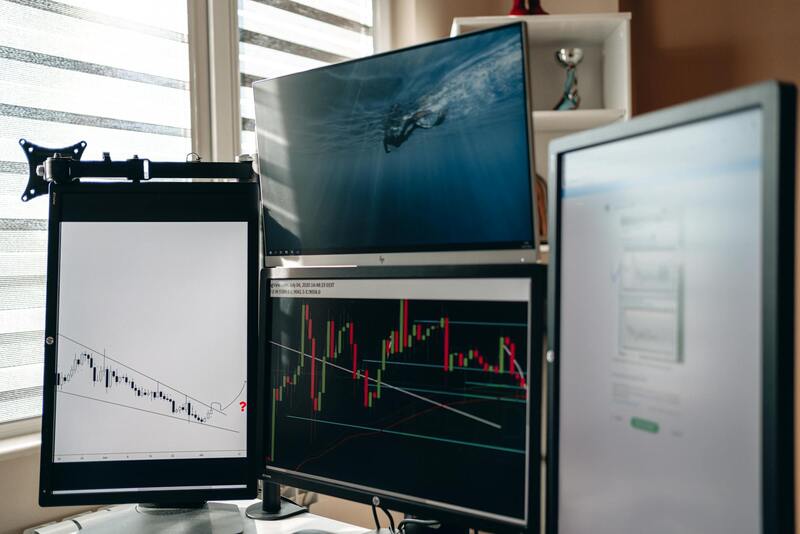
Futures prop trading differs significantly from retail trading in several key aspects. In retail trading, individuals use their personal funds and often face limitations imposed by brokerage firms concerning leverage and trading permissions. Conversely, futures prop trading involves professional firms managing portfolios with substantial capital, operating under more flexible risk management protocols, and often employing sophisticated algorithms and trading strategies. This structure provides enhanced scalability, increased potential for profit, and more robust risk controls, making futures prop trading an appealing model for traders seeking to escalate their trading activities in the futures markets.
Traders engaging in futures prop trading are typically required to meet specific criteria, demonstrating expertise through assessments or proven track records. The firms prioritize disciplined trading approaches, technical proficiency, and risk management skills, ensuring they maintain a stable trading environment that can adapt swiftly to market changes. Profit sharing arrangements are usually set out upfront, aligning incentives between traders and the firm and enabling traders to maximize earnings based on their performance and adherence to the firm's trading protocols.
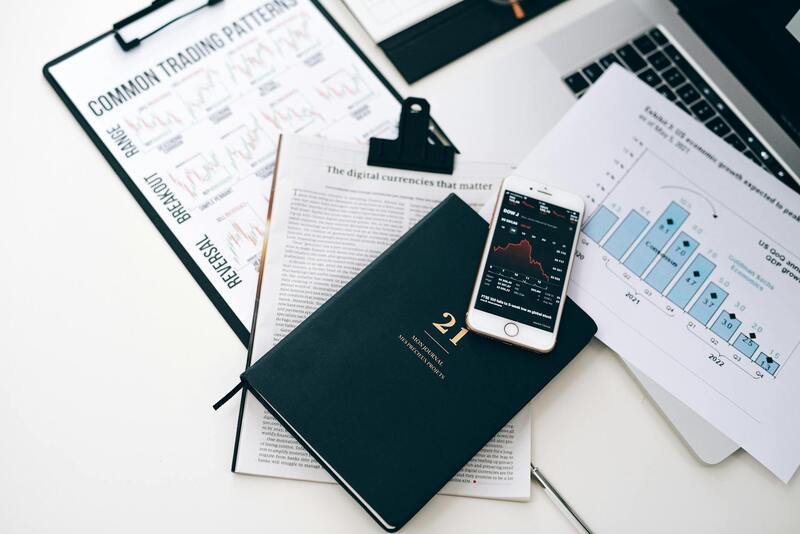
How Futures Prop Trading Firms Operate
Futures prop trading firms operate based on a sophisticated and structured framework that facilitates professional traders in maximizing their trading potential while managing risk effectively. These firms typically establish a collaborative environment where traders are provided with significant capital allocation, advanced trading platforms, and comprehensive risk management tools. Their core business model is centered around leveraging their capital to generate consistent profits, which are then shared with traders according to predefined agreements.
At the heart of futures prop trading firms is a rigorous selection process. Traders are often required to demonstrate technical proficiency, trading discipline, and a strong understanding of market dynamics through testing or track record submissions. Once accepted, traders gain access to specialized accounts that can range from standard to highly leveraged, depending on the firm's policies and the trader’s experience level.

Futures prop trading firms utilize cutting-edge technology to facilitate rapid order execution, data analysis, and risk monitoring. Many leverage sophisticated trading algorithms, quantitative models, and real-time analytics to identify opportunities and manage trades efficiently. The firms often implement strict risk parameters, including daily loss limits, margin requirements, and automated stop-loss orders, which safeguard both the firm's capital and the trader’s performance.
The profit-sharing arrangements are designed to incentivize traders while aligning their interests with the firm's financial goals. Typically, traders retain a percentage of the profits generated from their trades, with the remainder credited to the firm's account to cover trading costs and risk management efforts. This structure encourages disciplined and consistent trading behavior, as traders are directly motivated to optimize their performance.

Moreover, futures prop trading firms often offer extensive training programs and mentorship opportunities to promote skill development among traders. They provide access to proprietary software, research tools, and market data, which are crucial for executing informed trading strategies. The environment fosters continuous learning and adaptation, essential for thriving in the highly volatile futures markets.
In summary, futures prop trading firms operate through a combination of strategic capital deployment, technological innovation, and disciplined risk management. This integrated approach offers traders the tools and environment necessary to develop and execute advanced trading strategies, while the firm manages overall exposure to market fluctuations and minimizes potential losses.
Qualification Processes for Futures Prop Trading
Securing a position with a futures prop trading firm involves a rigorous qualification process designed to assess a trader’s skill, discipline, and market knowledge. Candidates typically undergo a series of evaluations that include simulated trading tests, risk management assessments, and interviews. These steps are structured to ensure traders have a solid understanding of market dynamics and the ability to execute strategies within defined risk parameters.
Prospective traders are often required to demonstrate their competency in technical analysis, chart reading, and trade execution. Many firms also evaluate a trader's psychological resilience, as the high-stakes environment of futures trading demands strong emotional discipline. Successful candidates usually show a consistent track record of profitability and risk control in simulated environments before progressing to live accounts.
Account Setup and Initial Capital
Once approved, traders are granted access to a trading account with a pre-defined initial capital allocation. This capital serves as the trader’s trading pool, allowing them to execute trades in the futures markets. The account setup process involves aligning the trader’s goals with the firm’s risk management policies and trading standards.
Futures prop trading accounts are typically structured to give traders access to a broad range of futures contracts across commodities, indices, and currencies. Traders are responsible for managing their positions, adhering to risk limits, and following the firm’s trading protocols. Many firms provide advanced trading software, real-time data feeds, and analytical tools to facilitate efficient trading.
Traders are often encouraged to develop diversified strategies, balancing risk and reward to maximize their profit potential while maintaining compliance with the firm’s guidelines. The initial capital allocation acts as a foundation, enabling traders to deploy significant market positions without risking their personal wealth while benefiting from the firm's infrastructure and support systems.
Execution of Trades and Risk Management
Execution within futures prop trading firms centers around real-time decision-making and disciplined adherence to risk parameters. Traders utilize proprietary trading software to place orders directly into the futures markets, leveraging advanced order types, such as limit orders, stop-losses, and automated exit strategies. Efficient order execution is critical in controlling slippage and ensuring trades are filled at optimal prices.
Risk management remains the cornerstone of success in futures prop trading. Traders are expected to employ predefined risk controls, including maximum daily loss limits, position sizing rules, and automated stop-loss orders. These measures safeguard both the individual trader and the firm’s overall capital base, especially during volatile market conditions.
Firms often implement real-time monitoring systems that alert traders to potential breaches in risk thresholds and enable swift corrective actions. Such systems promote disciplined trading behaviors and prevent significant losses that could jeopardize the firm’s financial stability.
Futures Prop Trading Accounts and Trading Mechanics
Understanding the operational mechanics of futures proprietary trading accounts is essential for traders aiming to maximize their potential within such firms. These accounts serve as the primary vehicle through which traders execute their strategies, utilizing the firm’s capital rather than their personal funds. The structure of these accounts is designed to facilitate efficient trading while maintaining strict risk controls.

Typically, traders begin with an evaluation process that assesses their trading skills and capacity to adhere to the firm’s risk management protocols. Successful traders are then granted access to a funded account that aligns with their experience and trading style. These accounts often come with specific parameters, including maximum position sizes, daily loss limits, and overall capital allocation, which serve to mitigate risk and promote sustainable trading practices.
Once authorized, traders utilize specialized proprietary trading platforms tailored for futures markets. These platforms provide advanced functionalities, such as real-time market data, customizable order types, and robust risk management tools. The trader's ability to quickly analyze market conditions and execute precise orders—be it limit, market, or stop orders—is integral to capitalizing on market movements.
Operational efficiency relies heavily on automated risk management features embedded within trading systems. Automated stop-loss and take-profit orders ensure that trades adhere to predefined risk parameters without requiring constant manual oversight. This automation is critical in maintaining discipline, especially during volatile periods when emotional decision-making can lead to breaches of risk thresholds.
Order execution in futures prop trading involves direct market access, allowing traders to place orders that are filled promptly, reducing slippage and maximizing trading efficiency. Firms often implement low-latency connectivity and sophisticated routing algorithms to ensure that orders are executed at the most favorable prices available in the market. Efficient execution not only improves profitability but also stabilizes the overall trading environment.
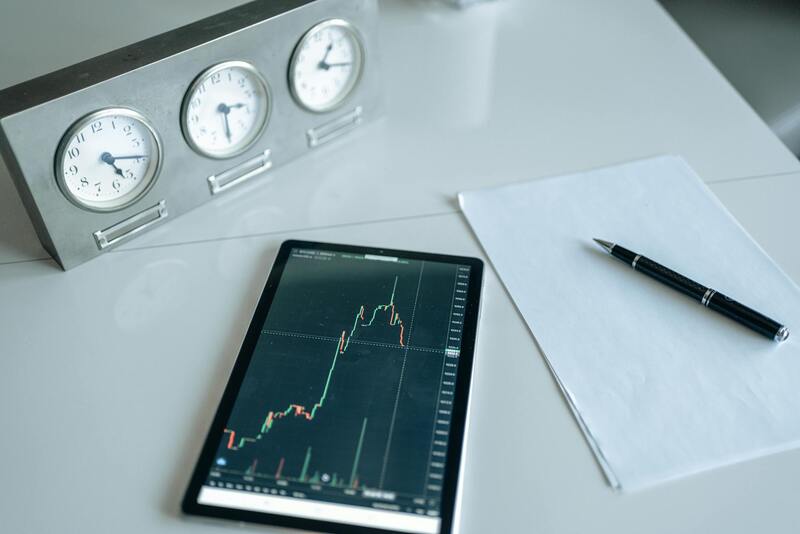
Traders are also expected to document and review their trades meticulously, using the firm’s analytic tools to evaluate performance, refine strategies, and ensure compliance with established guidelines. This data-driven approach helps identify areas for improvement, supporting ongoing development and consistency in trading results.
In addition to standard trading operations, futures prop firms often offer supplementary support services, including access to market research, risk analysis software, and mentorship programs. These resources are designed to enhance traders' understanding of market dynamics and bolster their decision-making capabilities, which contributes to long-term success in futures trading environments.
Overall, the mechanics of futures prop trading accounts emphasize a balance between aggressive market participation and disciplined risk controls. By leveraging the firm's infrastructure, technology, and capital, traders can implement sophisticated strategies that leverage market volatility while safeguarding capital through automated and manual risk management procedures.
Futures Prop Trading: Strategies for Success
Achieving consistent profitability in futures prop trading requires a combination of well-developed trading strategies, disciplined execution, and rigorous risk management. Since traders operate with the firm's capital, maintaining a disciplined approach to trade entry and exit is critical to safeguarding the firm's resources and maximizing returns.
One of the most effective methods employed by futures prop traders involves trading highly liquid instruments such as E-mini S&P 500, crude oil futures, and Treasury bonds. These markets provide ample liquidity, allowing traders to enter and exit positions with minimal slippage, which directly influences profit levels. The use of technical analysis, including chart patterns, Fibonacci retracements, and moving averages, can help identify optimal entry and exit points based on market momentum and price behavior.

Furthermore, quantifying market volatility is essential for developing dynamic trading models. Traders often leverage statistical measures such as the Average True Range (ATR) to calibrate position sizes and set appropriate stop-loss levels. This approach helps in maintaining favorable risk-reward ratios, which are vital for long-term profitability.
Risk management strategies in futures prop trading extend beyond simple stop-loss orders. Many traders employ advanced techniques like adjustable trailing stops, multi-tiered profit targets, and hedging strategies to protect gains and limit downside exposure. Automated risk controls integrated into trading platforms enable real-time monitoring of risk parameters, ensuring adherence to predefined limits and preventing emotional decision-making during volatile market conditions.
Another critical aspect of successful futures prop trading involves effective trade management. This encompasses not only timely execution of trades but also disciplined adherence to trading plans. Traders are encouraged to keep detailed trading journals, documenting reasons for entries and exits, market conditions, and performance metrics. Such records facilitate continuous review and refinement of trading strategies, fostering a mindset of ongoing learning and adaptation.
Developing a robust trading routine, including routine warm-up sessions, pre-market analysis, and post-trade reviews, can significantly enhance discipline and consistency. Signal generation tools like automated alerts, custom indicators, and sentiment analysis support traders in making informed decisions aligned with their overall trading plan.
In addition to technical strategies, understanding macroeconomic fundamentals and market news can provide an edge. Futures prop traders often incorporate economic calendars, news feeds, and data releases into their decision-making process. Reaction to geopolitical developments, interest rate changes, and inventory reports can create short-term volatility opportunities when appropriately managed within a trading system.
Embracing technology plays a pivotal role in modern futures prop trading success. Traders utilize high-speed data feeds, advanced charting platforms, and algorithmic trading models to stay ahead in competitive markets. Continuous development of custom indicators and back-testing of strategies enable traders to optimize their approaches before deploying funds in live environments.
In summary, excelling in futures prop trading entails a comprehensive approach that combines technical prowess, rigorous risk controls, disciplined execution, and ongoing education. By cultivating these practices, traders can leverage the resources available through prop firms to develop sustainable profitability in dynamic futures markets.
Futures Prop Trading Challenges and Requirements
Engaging in futures prop trading demands a strong foundation in market analysis, disciplined execution, and adherence to strict risk management protocols. One of the primary hurdles traders face is maintaining consistency under volatile market conditions. The highly leveraged nature of futures trading amplifies both gains and losses, necessitating precise control over position sizing and risk exposure. Prop firms typically enforce rigorous trading plans that outline maximum drawdown limits, daily loss caps, and position limits to preserve capital and ensure sustainable trading practices.
To meet the rigors of futures prop trading, traders must demonstrate a high level of technical proficiency and emotional resilience. Successful traders often utilize advanced charting tools and real-time data feeds to quickly interpret market signals. They must also develop a meticulous approach to trade execution, ensuring order placement aligns with pre-defined strategy parameters. Consistency in applying these procedures over time signifies a trader’s capability to operate effectively within the constraints set by the prop firm.
Another crucial element involves understanding and adapting to market conditions. Futures markets are influenced by a complex interplay of economic indicators, geopolitical events, and seasonal patterns. A proficient trader monitors economic calendars and news feeds constantly to anticipate potential disruptions or volatility spikes. This preparedness enhances decision-making accuracy, allowing traders to capitalize on short-term market opportunities while maintaining risk discipline.
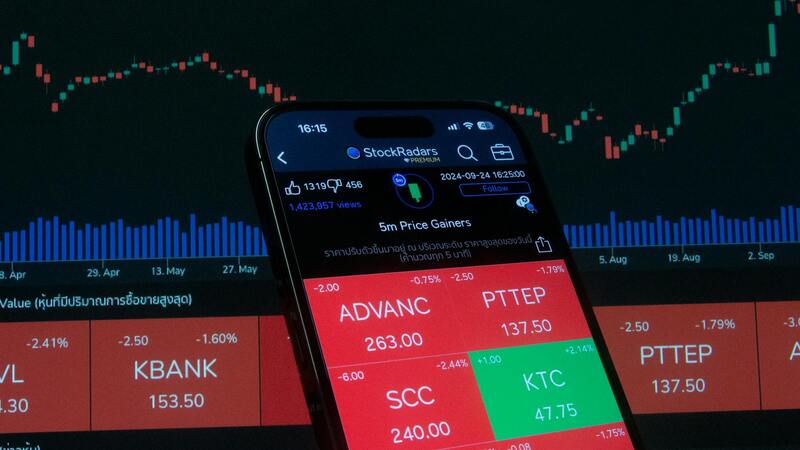
Essential Skills and Attributes for Futures Prop Traders
- Discipline: Following predefined trading plans and risk limits without deviation.
- Technical Analysis Skills: Proficiency in reading charts, indicators, and patterns to identify trading opportunities.
- Risk Management Expertise: Ability to set appropriate stop-losses and profit targets to protect capital.
- Adaptability: Adjusting strategies based on evolving market conditions and macroeconomic changes.
- Emotional Resilience: Maintaining composure during periods of high volatility or unexpected losses.
Meeting the above criteria often involves ongoing education, rigorous testing of trading strategies through simulated environments, and a commitment to continuous improvement. Prop trading firms also expect traders to showcase a proven track record of profitability in simulated or live markets, reinforcing their readiness to handle the pressures associated with futures trading.
The path to success in futures prop trading is not just about technical knowledge but also about cultivating the psychological endurance necessary for high-stakes decision making. Developing a stable trading routine, maintaining clear focus, and regularly reviewing trading performance are crucial to navigating challenges and achieving consistent results over time.
Futures Prop Trading: Official Methods and Industry Standards
Engaging in futures proprietary trading requires adherence to well-established processes that ensure traders and firms operate within a structured and transparent environment. Proper procedures include rigorous vetting and onboarding protocols, comprehensive compliance with trading regulations, and the employment of reputable trading platforms that offer stability and security. These platforms often feature advanced risk management tools, detailed performance tracking, and secure fund handling to protect both traders and the firm.

Part of the standard practice involves a multi-stage verification process for traders, which may include background checks, skill assessments, and trading simulations. This ensures that traders possess the necessary technical expertise and discipline to participate in high-stakes markets. Additionally, firms often implement clear trading guidelines, including risk limits, position sizing rules, and trading hours, which traders are expected to follow strictly.
Transparency and compliance are maintained through regular audits and performance reviews. Firms will also establish formal trading agreements that specify profit-sharing arrangements, trading rules, and account management practices. These agreements safeguard the interests of both parties and foster an environment of ethical trading conduct.
Utilization of Certified Trading Software
Traders typically utilize certified and reputable proprietary or third-party trading software, equipped with features such as real-time analytics, automated alerts, and robust order execution capabilities. These trading platforms facilitate efficient, disciplined, and transparent trading operations, ensuring adherence to the pre-approved risk parameters set by the firm.

Maintaining Compliance and Data Security
Ensuring data security and regulatory compliance is fundamental in futures prop trading. Firms employ secure data management systems, encryption protocols, and access controls to protect sensitive trading information and personal data. Regular training on compliance standards and ethical trading practices underpins these technical measures, fostering a trustworthy trading environment.
Trade Documentation and Record-Keeping
All trades executed by prop traders are meticulously documented through automated logging systems. These records include entry and exit points, order details, and risk parameters. Maintaining detailed trade logs is vital for transparency, subsequent performance analysis, and resolving any disputes that may arise.
Conclusion
The official methods of futures prop trading emphasize structured processes, certified platforms, strict compliance, and meticulous record-keeping. Engaging with reputable firms that adhere to these industry standards ensures a professional environment conducive to sustainable trading growth and risk management.
Choosing the Right Futures Prop Trading Firm
Selecting an appropriate futures prop trading organization requires a comprehensive evaluation of various factors that contribute to a professional and reliable trading environment. Traders should prioritize firms that maintain transparent operational procedures, standardized risk management protocols, and effective support systems. Conducting thorough research on the firm’s industry reputation, trading infrastructure, and support services enhances decision-making and maximizes trading potential.

Evaluating Trading Platforms and Technology
The core of futures prop trading hinges on the technological foundation provided by the firm. High-performance trading software with real-time data feed, automated risk controls, and seamless order execution is essential for optimized trading outcomes. Traders should verify that the platforms used by the firm are certified, regularly updated, and supported by professional technical assistance. Compatibility with various devices and integration with third-party analytical tools further enhance operational efficiency.
Understanding Profit Sharing and Compensation Models
Most futures prop trading firms operate on profit-sharing agreements, where traders earn a predetermined percentage of profits generated from their trades. Clear communication regarding payout structures, deadlines, and any applicable fees or costs is critical. Transparent financial arrangements foster trust and encourage consistent performance within a professional framework.
Compliance and Ethical Standards
Engaging with firms that uphold rigorous compliance standards protects traders from operational risks and promotes a trustworthy trading environment. Look for organizations that provide regular compliance training, adhere to data protection regulations, and enforce strict trading discipline. Ethical standards are maintained through explicit policies, internal audits, and ongoing monitoring of trading activities.
Training Programs and Support Resources
Formalized training programs, including webinars, mentorship, and comprehensive educational resources, are indicators of a reputable futures prop trading firm. These initiatives support traders in refining their strategies, understanding complex market dynamics, and adhering to best practices. Continuous professional development enables traders to adapt to market volatility and leverage new trading tools effectively.
Trading Goals and Compatibility
Aligning personal trading goals with the firm’s operational model is vital. Traders should consider factors such as preferred trading styles, risk appetite, and long-term objectives when selecting a partnership. Compatibility with the firm’s trading guidelines and organizational culture ensures a productive and satisfying professional relationship.
Conducting Due Diligence and Building Trust
Engaging directly with firm representatives, requesting demonstrations of trading software, and reviewing client testimonials contribute to informed decision-making. Verifying credentials, inspecting regulatory histories, and analyzing operational histories help traders identify reputable organizations committed to professional standards and sustained growth.