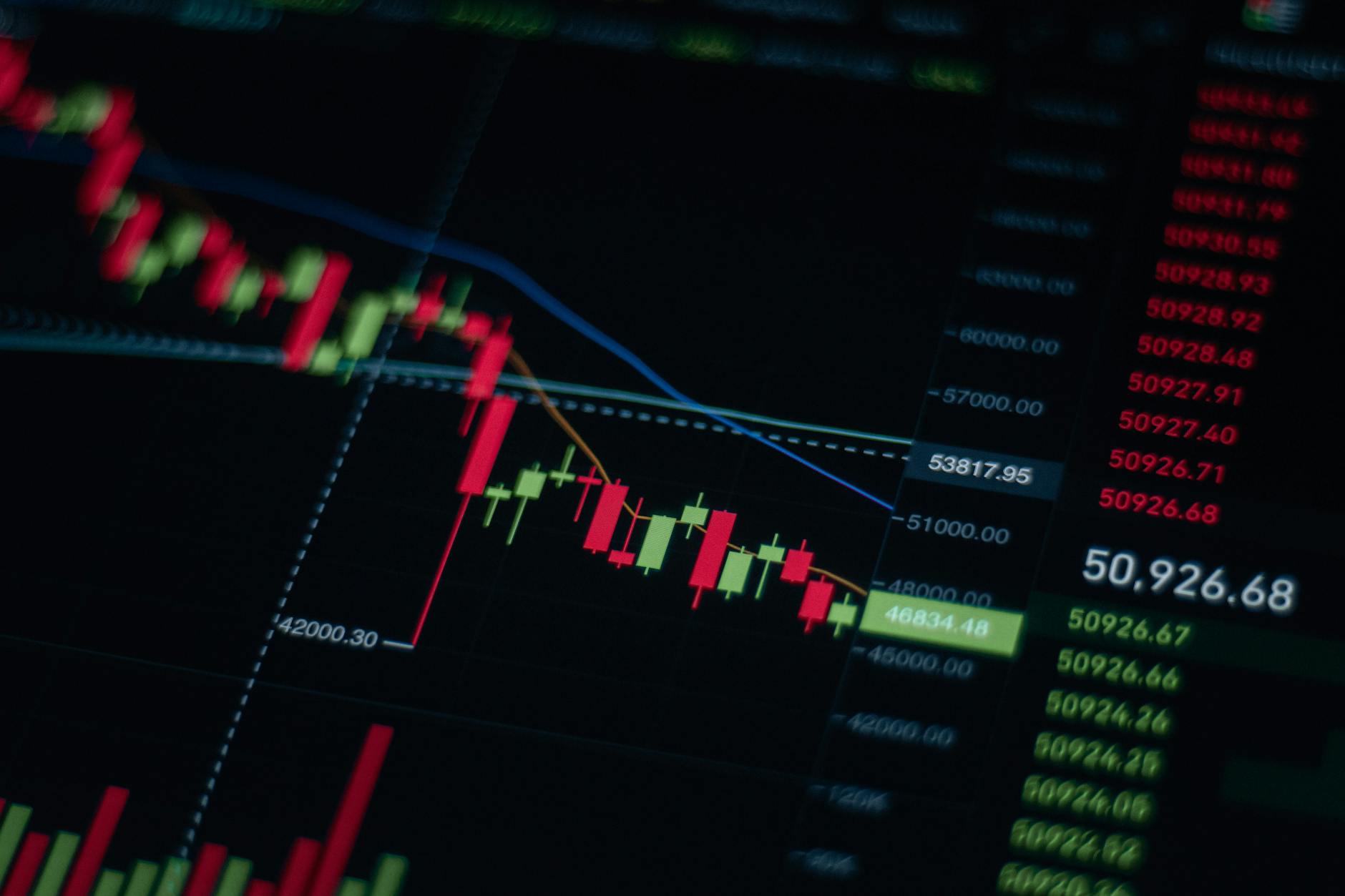
Understanding Futures Prop Firm Accounts
Futures proprietary (prop) firm accounts serve as specialized trading accounts provided by firms that focus on futures market trading. Unlike individual trading accounts where traders use their own capital, futures prop firm accounts allocate the firm’s capital to qualified traders who execute trades within predefined risk parameters. This structure enables traders to access significant trading capital, sophisticated trading platforms, and professional support without the need to independently fund their trading activities.
At their core, futures prop firm accounts are designed to bridge skilled traders with substantial market opportunities. The firm’s role involves providing capital, setting risk management guidelines, and offering educational resources to enhance trading performance. Traders undergo evaluation processes to demonstrate their skill level, which, upon successful completion, grants access to the firm’s trading environment. These accounts primarily focus on futures contracts—standardized agreements to buy or sell assets at predetermined prices at specified dates—covering commodities, financial instruments, and indices.

Within this framework, traders are accountable for adhering to strict risk management rules while leveraging the firm’s capital to execute higher-volume trades than they could individually afford. These accounts often come with specific trading rules, profit-sharing arrangements, and performance metrics to ensure alignment between the trader’s activities and the firm’s objectives. Overall, futures prop firm accounts play a significant role in expanding trading opportunities for capable traders and fostering a more dynamic futures trading market.
Understanding Futures Prop Firm Accounts
Futures prop firm accounts serve as a platform that enables skilled traders to leverage significant capital resources to execute trading strategies across various futures markets. These accounts are established through professional trading firms that evaluate traders’ proficiency, often via rigorous testing and performance assessments. Once approved, traders gain access to the firm’s trading infrastructure, including advanced trading software, analytical tools, and risk management protocols. This environment fosters an atmosphere where traders can focus on executing well-researched trades without the need for substantial personal capital investment.
Essentially, these accounts function as partnerships where the trading firm supplies the necessary financial backing, and the trader contributes their expertise. Futures contracts, which are standardized agreements to buy or sell assets at predetermined prices and dates, are the core instruments traded within this environment. These contracts encompass commodities like oil, gold, and agricultural products, alongside financial instruments such as indices and currency pairs. The structure of futures prop firm accounts is designed to facilitate seamless trading activities while ensuring adherence to strict risk controls and performance benchmarks.

In operation, traders are required to follow detailed risk management guidelines established by the firm. These include predefined daily, weekly, and monthly loss limits, which are critical to preserve the integrity of the trading capital. Evaluation processes often comprise simulated trading phases or live trading with strict oversight, serving as benchmarks of ability. Successful traders transition into the funded trading environment, gaining access to substantial leverage and institutional-grade trading platforms.
Futures prop firm accounts not only expand trading capacity but also encourage disciplined trading practices. Performance metrics such as profit targets, drawdown limitations, and trade frequency are monitored meticulously. The arrangement typically involves profit-sharing models, providing traders with a percentage of gains in return for their skill and adherence to firm policies. Such a structure incentivizes consistent performance, risk awareness, and ongoing professional development among traders.

Overall, futures prop firm accounts function as strategic partnerships that harness proprietary capital to unlock market opportunities, allowing talented traders to execute high-volume trades within a structured, risk-managed setting. These accounts cultivate an environment where analytical rigor, disciplined risk management, and strategic execution are prioritized, elevating the potential for profitability while safeguarding the firm’s financial stability.
Understanding Futures Prop Firm Accounts
Futures prop firm accounts serve as gateways for professional traders to access substantial trading capital while operating within a structured environment. These accounts are typically established by proprietary trading firms that allocate a portion of their funds to traders based on merit, skill, and adherence to firm policies. Unlike personal trading accounts, futures prop firm accounts are designed to facilitate high-volume trading activities, leveraging the firm's capital to maximize profit potential while maintaining rigorous risk controls.

To participate in such arrangements, traders must often go through a formal evaluation process that assesses their ability to execute trades effectively and manage risk responsibly. This process may involve simulated trading phases or live trading with strict oversight, designed to verify competence before granting access to significant capital. Once approved, traders operate within pre-established limits, such as daily loss caps, profit targets, and trade frequency constraints, ensuring the preservation of both the firm's and trader’s capital.
Futures prop firm accounts are distinguished by their access to advanced trading tools, sophisticated risk management software, and dependable liquidity sources. These resources empower traders to implement complex strategies, manage market volatility, and optimize their trading performance under professional supervision. The ultimate goal is to cultivate a disciplined trading environment that promotes sustained profitability and professional development.

Benefits of Trading with a Futures Prop Firm Account
Operating within a futures prop firm account unlocks numerous advantages for qualified traders. Access to significantly larger trading capital allows for increased position sizing, which can amplify profit margins without necessarily increasing individual risk exposure. Advanced technology and institutional-grade trading platforms enable traders to execute complex strategies with precision and speed, giving them a competitive edge in fast-moving markets.
Another notable benefit is the structured risk management environment, which enforces discipline and consistency. Traders are held to specific performance benchmarks, including profit targets and drawdown limits, promoting systematic trading habits. These firm-supported frameworks help mitigate impulsive decision-making, fostering a focus on strategy and long-term growth rather than short-term gains.
Furthermore, profit-sharing arrangements often motivate traders to perform at their best, sharing a percentage of returns with the firm based on successful trades. This incentivizes professional development, continuous learning, and adherence to operational policies. Additionally, traders may gain access to mentoring, regular performance evaluations, and educational resources, all of which contribute to skill enhancement and career advancement.
Requirements and Challenges to Open a Futures Prop Firm Account
Qualifying for a futures prop firm account requires meeting specific eligibility criteria that assess both skill and professionalism. Typically, traders must demonstrate a proven track record of consistent profitability, a solid understanding of futures markets, and the ability to manage risk effectively. Many firms conduct rigorous testing through simulation or initial trading phases, scrutinizing profit targets, drawdown limits, and trading discipline.
Skill gaps are a common challenge, as effective risk management and strategic execution are essential for success within a prop environment. Traders need to possess strong analytical skills, disciplined trading routines, and emotional resilience to handle market volatility. Overcoming these hurdles often involves intensive training, strategic development, and continuous performance review.
Furthermore, traders must navigate firm-specific policies regarding trade size, frequency, and risk exposure, which may differ across organizations. Proper understanding and adherence to these guidelines are critical for maintaining eligibility and progressing within the firm.
Futures Prop Firm Trading Strategies
Developing effective trading strategies tailored for futures markets is vital within a prop firm setting. Strategies may include trend following, scalping, spreads, and breakout trading, each optimized according to market conditions and risk appetite. Traders are encouraged to utilize technological tools such as algorithmic trading, backtesting software, and real-time analytics to refine their approach.
Consistency in strategy application and disciplined execution are core principles for success. Effective risk management tools, like stop-loss orders and position sizing algorithms, help mitigate losses and protect capital. Continuous evaluation of trading performance and adaptation to evolving market trends are also essential components of a winning approach.
Understanding Futures Prop Firm Accounts
Futures prop firm accounts serve as specialized trading environments designed to support professional and aspiring traders in the futures markets. These accounts are established through collaborations between traders and proprietary trading firms, which provide the necessary capital and infrastructure for trading activities. Traders access these accounts after meeting specific criteria, often including proficiency assessments, trading logs, and demonstration of risk management skills.
Unlike standard trading accounts offered by retail brokerages, futures prop firm accounts often come with tailored trading conditions. These may include predetermined risk caps, specific profit-sharing arrangements, and access to advanced trading tools. The core of these arrangements is that the prop firm supplies the capital, while traders utilize their expertise to generate profits, which are then shared according to negotiated terms.

Establishing a futures prop firm account usually involves a rigorous evaluation process. Traders might be required to pass a trading challenge or meet certain performance metrics over a specified period. This process assesses their ability to manage risk appropriately, execute trades strategically, and demonstrate consistency under real market conditions. Successful candidates are then granted access to trading capital, often scaled to their demonstrated skill level.
Key Components of a Futures Prop Firm Account
- Capital Provision: The firm supplies the trading capital, which can range from thousands to millions of dollars, depending on the trader’s track record and the firm’s policies.
- Trading Platform Access: Traders are provided with advanced trading platforms equipped with analytical tools, risk management features, and real-time data feeds.
- Risk Management Rules: Strict guidelines are in place to control drawdowns, trade sizes, and exposure limits, ensuring risk remains within acceptable margins.
- Profit Sharing: Gains are typically split between the trader and the firm, with percentages varying based on the agreement and performance metrics.
It is critical for traders to thoroughly understand the specific parameters and expectations associated with a futures prop firm account. Proper adherence to firm policies helps maintain account stability and fosters long-term trading success.
Operational Aspects of Futures Prop Firm Accounts
Once operational, managing a futures prop firm account requires ongoing discipline and strategic oversight. Traders must monitor their positions and risk exposure continuously, adhering to the firm’s trading guidelines. Regular performance reviews and compliance checks ensure that trading practices remain aligned with the firm’s standards.
Technology plays a pivotal role in effective account management. Automated alerts, real-time analytics, and backtesting software assist traders in making informed decisions. Additionally, maintaining detailed trading records helps in evaluating performance and identifying areas for improvement.
Successful trading within a futures prop firm account also involves continuous education. Market conditions are dynamic, and traders must adapt their strategies to emerging trends and volatility. Participating in training sessions, reviewing trading logs, and engaging with mentorship programs are common practices to refine skills and stay ahead in competitive environments.
Understanding Futures Prop Firm Accounts
Futures proprietary trading accounts are specialized platforms where traders manage funds provided by a prop firm, allowing them to execute futures contracts across various commodities, indices, and currencies. Unlike personal accounts, these are funded and operated under the firm's guidelines, emphasizing disciplined trading practices and risk management. The core principle is that traders utilize the firm's capital to generate profits, which are then shared according to predefined compensation structures.
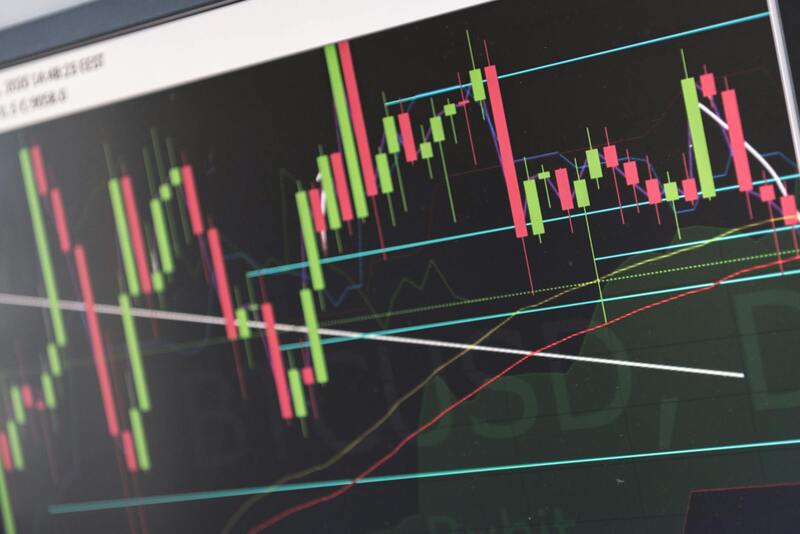
In a typical setup, traders are required to pass specific evaluation stages designed to assess their skill, discipline, and consistency before gaining access to the funded account. These assessments measure various competencies, including technical analysis, strategy execution, and risk management. Once approved, traders receive access to a trading environment that is distinctively managed and monitored by the prop firm. This environment often includes tools tailored for futures trading, such as real-time analytics, automated alerts, and risk controls, aimed at optimizing performance while adhering to firm-specific parameters.
Operational Framework of a Futures Prop Firm Account
Operating within a futures prop firm account entails strict compliance with the firm's trading protocols. These protocols are crafted to safeguard both the trader and the firm, establishing clear limits on position sizes, leverage, and daily loss thresholds. Traders are required to maintain a disciplined trading rhythm, with regular performance tracking and adherence to risk management strategies to ensure sustained account health.
Moreover, the constant evolution of market dynamics underscores the importance of leveraging advanced trading software. Automated systems for order entry, stop-loss adjustments, and profit-taking help in maintaining discipline during volatile sessions. Maintaining comprehensive records of trades, including reasoning and outcomes, supports ongoing performance evaluation and strategic refinement. Regular review sessions, sometimes facilitated via mentorship or performance coaching, are integral to fostering continuous improvement.
Tools and Software Enhancing Futures Prop Trading
- Risk Management Software: Tools that monitor and control trade sizes and leverage to stay within set risk parameters.
- Real-Time Analytics: Platforms offering live data feeds and analytic insights to inform trading decisions quickly and accurately.
- Backtesting Platforms: Environments that enable traders to test strategies against historical market data.
- Trade Journaling Software: Solutions that help maintain detailed logs of trading activities to facilitate performance analysis over time.

Achieving success within a futures prop firm account also involves a dedicated focus on ongoing education. Traders often participate in training programs, webinars, and mentorship arrangements designed to elevate their understanding of market mechanics. Continuous learning helps traders adapt to shifting market conditions, refine their strategies, and improve execution efficiency—key factors in maintaining profitability and meeting prop firm standards.
The Process of Setting Up and Managing a Futures Prop Firm Account
Establishing a futures prop firm account involves a series of precise and methodical steps designed to ensure smooth onboarding and compliance with internal standards. First, traders must identify a reputable prop trading firm that aligns with their strategies and trading goals. The selection process involves evaluating factors such as the firm's risk management policies, payout structures, supported trading platforms, and overall reputation within the trading community. Once a suitable firm is identified, the trader typically completes an application form providing detailed personal and financial information, which is subject to verification procedures.

Following successful application approval, the trader proceeds to establish an account by agreeing to the firm's terms and conditions, which often encompass risk limits, trading rules, and performance expectations. Funding the account is the subsequent step, usually achieved through wire transfers or electronic payment methods, depending on the firm's provided options. Once funded, traders gain access to the firm's trading infrastructure, including proprietary platforms or third-party software integrations.
Continuous management of a futures prop firm account involves diligent adherence to risk controls, regular performance reviews, and strategic adjustments. Risk management protocols include setting daily loss limits, position sizing rules, and stop-loss orders designed to safeguard the account from excessive drawdowns. Many firms employ automated monitoring tools that flag breaches or potential issues in real time.
Maintaining transparency and compliance is critical for ongoing participation. Traders are often required to submit performance reports, adhere to trading schedules, and participate in periodic audits or evaluations. Effective communication with firm supervisors, striving for consistent profitability, and staying within the parameters set by the firm are fundamental practices for successful account management.

Additionally, many firms provide educational resources, training sessions, and mentorship programs aimed at enhancing traders' skill sets. Engaging actively with these resources can significantly improve a trader's ability to adapt to market conditions, manage risks effectively, and optimize trading strategies, ensuring sustained account performance and alignment with the firm's expectations.
Legal and Regulatory Considerations
Ensuring Compliance in Futures Prop Trading
Operating a futures prop firm account involves navigating a complex landscape of legal and regulatory standards designed to maintain market integrity and protect traders’ interests. Adherence to established guidelines is essential for seamless account operation and sustainability.
Regulatory bodies oversee futures trading, establishing frameworks that govern trading practices, financial disclosures, and account protections. This oversight ensures that all trading activities align with industry standards, reducing risks of misconduct or market manipulation. Compliance requires traders and firms to implement robust internal controls, maintain accurate records, and follow prescribed reporting protocols.
Key Legal Aspects Concerns
- Contractual Agreements: Clear contractual terms between traders and firms clarify responsibilities, profit sharing, and risk management procedures, reducing misunderstandings and legal disputes.
- Data Security and Privacy: Safeguarding traders’ personal and financial information is paramount. Firms must comply with data protection regulations, employing secure platforms and encrypted communication channels.
- Risk Disclosure: Transparency about potential risks associated with futures trading helps traders make informed decisions and adhere to responsible trading practices.
- Trade Compliance: Ensuring all trades meet regulatory standards prevents illegal activities such as market manipulation or wash trading, which could lead to penalties.
Risk Management and Security Protocols
Firms often deploy advanced cybersecurity measures to prevent unauthorized access and protect trading infrastructure. Regular audits, compliance checks, and staff training further reinforce the security environment. Additionally, traders are expected to follow strict risk protocols such as pre-set stop-loss orders, position size limits, and daily loss caps to mitigate the potential for substantial financial losses.
Account Monitoring and Reporting
Continuous oversight by regulatory authorities and internal compliance teams ensures that firms maintain transparency. Periodic reporting, transaction audits, and performance reviews help identify irregularities or breaches in policy, allowing prompt remedial actions.

Ensuring Sustainable Operations and Growth in Futures Prop Firm Accounts
Effective management of a futures prop firm account extends beyond initial setup and daily trading activities. It encompasses ongoing strategies that promote sustainability, adaptability, and adherence to best practices in a dynamic trading environment. Traders and firms alike focus on expanding their operational capabilities while maintaining rigorous risk management and compliance standards.
Operational Efficiency and Technological Integration
Leveraging advanced trading software and analytics tools is critical for optimizing performance. Many prop firms invest in real-time data feeds, sophisticated charting platforms, and algorithmic trading systems that enhance decision-making accuracy and execution speed. Continuous integration of these technologies allows traders to respond swiftly to market movements and capitalize on emerging opportunities.

Training and Development Programs
Ongoing education remains a cornerstone of successful futures trading. Many prop firms provide comprehensive training modules, webinars, and mentorship programs designed to upgrade traders’ skills and deepen their market understanding. These initiatives help traders adapt to changing market conditions, identify new strategies, and refine risk management techniques.
Community Building and Networking
Strong internal networks foster knowledge sharing and collective learning. Forums, group discussions, and trading competitions encourage collaboration among traders. This ecosystem nurtures a culture of continuous improvement, enabling traders to exchange insights, simulate new approaches, and stay motivated amid challenging markets.
Monitoring Market Trends and Adapting Strategies
Prop traders and firms dedicate resources to studying macroeconomic indicators, geopolitical developments, and technological innovations that influence futures markets. Adapting trading strategies in response to these trends mitigates risks and uncovers potential profit opportunities. Regular review sessions and backtesting of strategies ensure alignment with current market realities.
Promoting a Culture of Responsibility and Compliance
Maintaining an ethical trading environment involves instilling a culture of transparency, accountability, and disciplined trading practices. Firms uphold strict internal policies to prevent misconduct and ensure traders follow defined procedures. Regular audits and performance evaluations detect deviations early and reinforce best practices for long-term stability.
Security Measures and Data Protection
In an era of sophisticated cyber threats, securing sensitive information and trading infrastructure is vital. Employing encryption, multi-factor authentication, and intrusion detection systems safeguards assets and personal data. Continuously updating these measures aligns with evolving security standards and prevents unauthorized access.
Long-term Growth Strategies
Prop firms map out growth trajectories by diversifying trading portfolios, expanding market access, and investing in research. They assess their technological capabilities and adapt their business models to incorporate emerging markets and asset classes. Focused investment in these areas supports resilience and profitability in fluctuating market conditions.